¿Qué marcas fabrican las mejores cámaras para retratos?
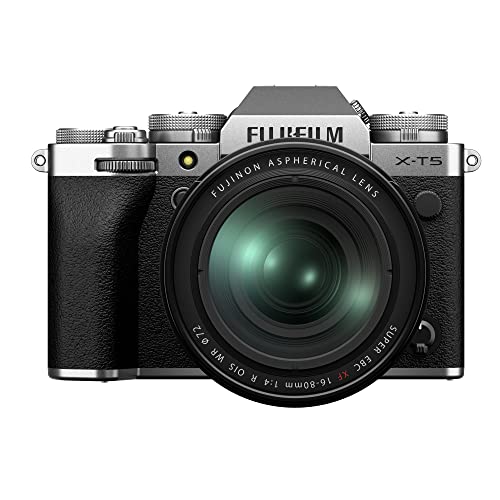
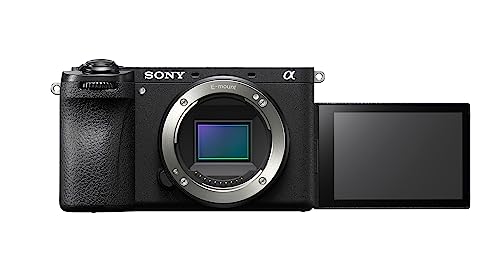
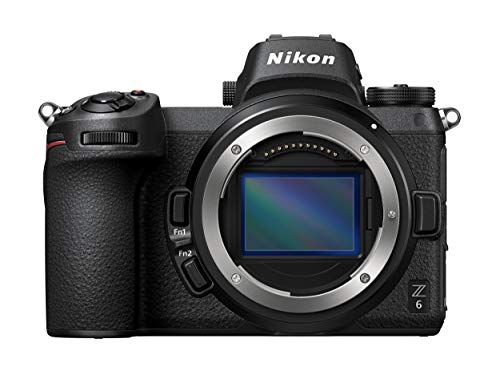
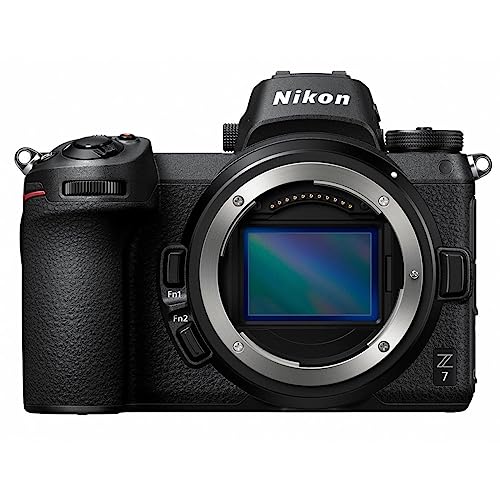
Las mejores marcas de cámaras para retratos se clasifican a continuación:
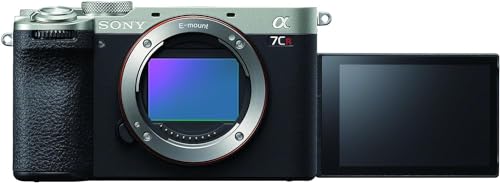
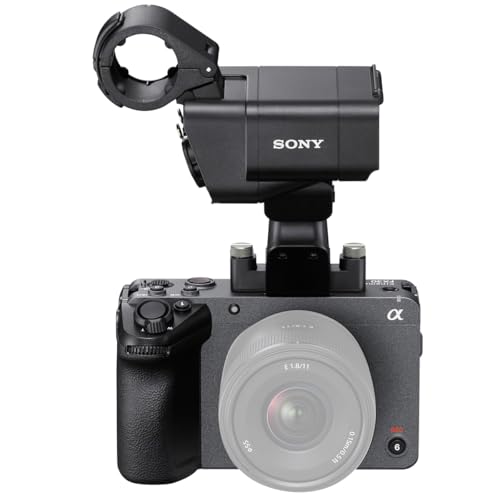
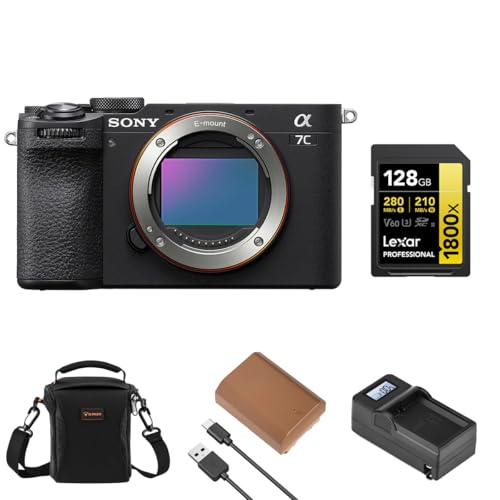
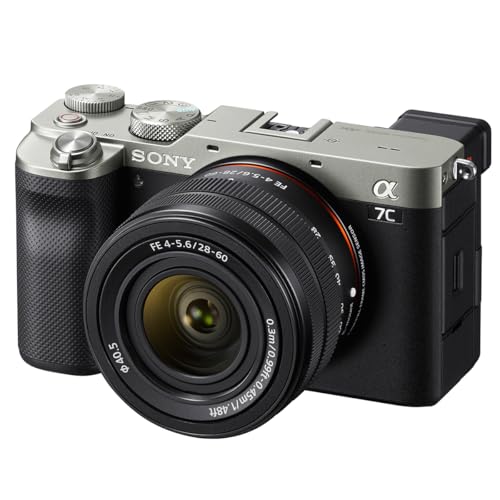
- Sony (Puntuación general media: 8.6)
- OM System (Puntuación general media: 8.6)
- Nikon (Puntuación general media: 8.5)
El siguiente gráfico compara las marcas de cámaras para retratos según su puntuación general media.
[horizontal-chart-18240377818062937186037697634189836295191150823661]
¿Qué hace que una cámara sea adecuada para retratos?
Una cámara es adecuada para retratos cuando enfoca con precisión el ojo más cercano, conserva transiciones tonales suaves y funciona con objetivos que ofrecen la perspectiva y separación del fondo deseadas. Una resolución de unos 20–45 MP basta para la mayoría de retratos, siempre que el objetivo y la precisión de enfoque la respalden.
Busca seguimiento fiable de rostro y ojos, archivos RAW, avisos de altas luces, buen soporte de flash o tethering y controles que permitan cambiar apertura y compensación de exposición sin interrumpir la sesión. Una pantalla inclinable ayuda a componer desde la cintura o en ángulos altos.
El objetivo y la distancia de trabajo definen el retrato más que la marca. Un equivalente a 50–85 mm sirve para retratos generales, mientras que 85–135 mm favorece primeros planos; focales más amplias de 28–40 mm incluyen más entorno, pero exigen cuidar la distancia para evitar perspectivas exageradas.
¿Qué importancia tiene el autofocus en una cámara para retratos?
El autofocus es muy importante en retratos porque una profundidad de campo reducida puede dejar las pestañas nítidas y el iris blando. La detección de ojos debe reconocer al sujeto deseado, mantenerse estable cerca del borde y funcionar con gafas, perfiles y poca luz.
Para estudio con poses puede bastar AF sencillo o enfoque manual ampliado. Eventos, niños y retratos ambientales se benefician más del seguimiento continuo del ojo y de un motor de objetivo rápido que no titubee.
Comprueba el rendimiento a la apertura máxima y la distancia de trabajo prevista. La calibración puede importar en DSLR, mientras que el enfoque sobre el sensor de las cámaras sin espejo suele evitar errores de enfoque delantero y trasero.
¿Qué objetivos son mejores para retratos?
Las mejores opciones de objetivos para retratos son las siguientes:
- Objetivo fijo equivalente a 50 mm: Una opción versátil y asequible para medios cuerpos y retratos ambientales. Las versiones luminosas f/1.4–1.8 funcionan con poca luz, pero exigen cuidar la distancia con rostros cercanos.
- Objetivo fijo equivalente a 85 mm: Un clásico para cabeza y hombros, con perspectiva favorecedora y fuerte separación del sujeto. Ofrece una distancia de trabajo útil sin ser excesivamente grande.
- Objetivo fijo de 105–135 mm: Ideal para primeros planos cerrados, fondos comprimidos y estudio. La mayor distancia puede limitar en interiores.
- Zoom 70–200 mm f/2.8: Un objetivo profesional flexible para eventos y retratos que cubre varios encuadres sin cambiar de posición. Es pesado y caro, pero enfoca rápido y aísla bien al sujeto.
- Zoom 24–70 mm f/2.8: Útil para grupos, bodas y retratos ambientales donde el espacio cambia deprisa. El extremo angular exige colocarse con cuidado cerca de los rostros.
- Objetivo macro para retratos: Un macro de 90–105 mm sirve para detalles de belleza y retratos convencionales. Su nitidez extrema puede mostrar más textura de piel de la deseada y el autofocus puede ser más lento.
¿Qué importancia tiene el desenfoque de fondo en las cámaras para retratos?
El desenfoque de fondo es útil, pero no imprescindible: la expresión del sujeto, la luz, la perspectiva y la elección del fondo importan más que conseguir la mínima profundidad de campo posible. Los sensores de formato completo y los objetivos largos y luminosos facilitan un desenfoque intenso, mientras que los formatos más pequeños también pueden aislar al sujeto si se cuidan las distancias y la composición.
La apertura, la distancia focal, la distancia al sujeto y la distancia al fondo actúan de forma conjunta. Un 85 mm f/1.8 con el fondo a varios metros del sujeto suele ofrecer una separación más suave que un 50 mm f/1.2 utilizado frente a una pared cercana.
Una profundidad de campo muy reducida puede dejar nítido solo un ojo o eliminar un contexto útil. Elige una apertura suficiente para mantener enfocado el plano importante del rostro, especialmente con parejas y grupos.
El gráfico siguiente muestra la distribución de tamaños de sensor de las cámaras para retratos.
[pie-chart-01413980665325934684042425193513085601562649103316]
¿Qué calidad tienen los tonos de piel en las cámaras para retratos?
En las buenas cámaras para retratos, los tonos de piel son naturales y fáciles de ajustar, pero la iluminación, el balance de blancos, la exposición y el perfil de color influyen tanto en el resultado como la marca de la cámara. La captura RAW ofrece el máximo control sobre el matiz, la saturación y la recuperación de las altas luces.
La mezcla de luz LED, fluorescente y natural de una ventana puede producir colores desiguales que ningún perfil corrige por completo. Utiliza una tarjeta gris o un balance de blancos controlado para mantener la uniformidad durante la sesión y evita recortar las altas luces intensas de la piel.
Quienes fotografían en JPEG deberían comparar los perfiles de retrato con varios tonos de piel en lugar de fiarse de una sola muestra. Un enfoque y una reducción de ruido sutiles suelen resultar más favorecedores que una claridad agresiva.
¿Qué utilidad tiene el rendimiento con poca luz en las cámaras para retratos?
El rendimiento con poca luz es muy útil en eventos, restaurantes, hogares y retratos ambientales nocturnos, porque las personas suelen exigir velocidades de obturación cercanas a 1/125–1/250 s. Los sensores de formato completo y los objetivos luminosos f/1.4–2 reducen el ISO necesario, pero un autofoco preciso al ojo sigue siendo esencial.
La estabilización ayuda con un sujeto sentado o una pose estática, pero no puede congelar una expresión o el movimiento corporal. Un flash rebotado, una pequeña luz LED o un objetivo más luminoso puede mejorar el resultado más que un ISO extremo.
Un color limpio y la conservación de la textura de la piel en torno a ISO 3200–6400 son más importantes que el ajuste ISO máximo. Una exposición correcta y una reducción de ruido moderada mantienen un retrato más natural.
¿Cuánto cuestan las cámaras para retratos?
Las cámaras nuevas aptas para retratos suelen costar aproximadamente 600–4.500 € solo por el cuerpo. Los cuerpos APS-C y Cuatro Tercios de unos 600–1.200 € pueden producir retratos excelentes con un objetivo fijo adecuado, mientras que las opciones de formato completo suelen comenzar alrededor de 1.000–1.500 €.
Entre unos 1.500 € y 3.000 €, se vuelven más habituales un autofoco al ojo más avanzado, estabilización, mejores visores, captura conectada, dos ranuras para tarjetas y sensores de mayor resolución. Por encima de esa franja, el precio responde sobre todo a la velocidad, la resistencia, la calidad de imagen del formato medio o el flujo de trabajo profesional.
Reserva al menos 200–1.500 € para un objetivo fijo apropiado de 50/85/105 mm, o más para un zoom f/2.8. La iluminación, los modificadores, las tarjetas, las baterías y el almacenamiento pueden mejorar un equipo de retrato más que subir un nivel de cuerpo.
El gráfico siguiente muestra la distribución de precios de las cámaras para retratos.
[vertical-chart-15698086393980534927183615556432920819811349526053]