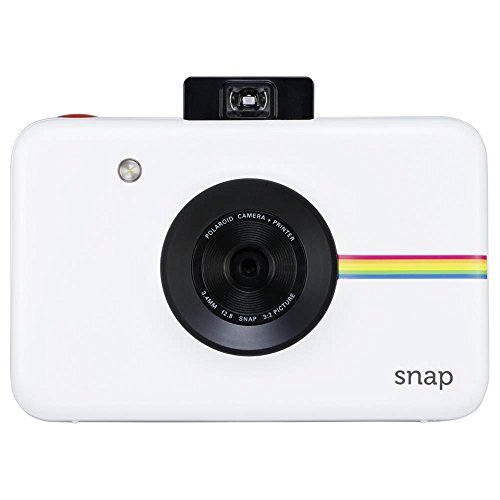
¿Son buenas las cámaras Polaroid?
Las cámaras Polaroid tienen una puntuación general media de 3.9 y ocupan el puesto #15 entre las marcas de cámaras comparables. La muestra ponderada disponible de reseñas de usuarios no es suficiente para calcular una media o una posición fiable a nivel de marca.
Las cámaras Polaroid son buenas para fiestas, retratos, proyectos creativos, álbumes, regalos y fotógrafos que valoran una impresión grande y única más que la nitidez, la velocidad o un bajo coste de uso.
Los modelos Now y Flip automatizan la exposición y el enfoque, Now+ añade controles creativos conectados a la aplicación, I-2 proporciona las opciones de autofoco y exposición más avanzadas, y Go utiliza una impresión portátil más pequeña. Las películas estándar i-Type y 600 producen una imagen de unos 79 × 79 mm, y los paquetes de ocho disparos suelen costar alrededor de 20 € en los mercados europeos. El rango dinámico es limitado y el revelado reacciona a la luz y la temperatura, así que elige Polaroid por su gran impresión, color suave e imprevisibilidad deliberada, no por la uniformidad técnica.
El siguiente gráfico compara Polaroid con otras marcas de cámaras según su puntuación general media.
[horizontal-chart-01577259834648091757105710739110051238292053984796]
¿Cuáles son las principales ventajas de las cámaras Polaroid?
Las principales ventajas de las cámaras Polaroid son las siguientes:
- Grandes impresiones cuadradas emblemáticas: Las películas i-Type, 600 y SX-70 producen el conocido marco de borde blanco con un área de imagen de unos 79 × 79 mm. La impresión es mayor que Instax Square y tiene suficiente borde para notas, fechas, firmas o exposición.
- Compartir físicamente de inmediato: Cada exposición se revela como un objeto único sin impresora, teléfono, cuenta en la nube ni sesión de edición. Esto cambia la fotografía social porque la imagen puede entregarse al sujeto o colocarse directamente en un álbum.
- Varios niveles de control creativo: Now y Flip priorizan el funcionamiento automático, Now+ añade funciones mediante la aplicación Bluetooth e I-2 proporciona exposición manual, prioridad de apertura, prioridad de obturación, exposición múltiple, temporizador y opciones de flash externo. Así, los compradores pueden elegir sencillez o control deliberado sin salir de la misma familia de películas Polaroid grandes.
- Compatibilidad activa con varias generaciones de película: La producción actual incluye película i-Type sin batería para cámaras recargables modernas, paquetes 600 y SX-70 con batería para sistemas clásicos compatibles y película Go más pequeña. La fabricación continua mantiene utilizables los principales formatos Polaroid, aunque difieran sus requisitos eléctricos y de sensibilidad.
- Representación distintiva: La química Polaroid produce un detalle más suave, rango dinámico contenido, variación visible del revelado y un color que cambia ligeramente con la luz y la temperatura. Para retratos, moda, eventos y trabajos experimentales, esa representación imperfecta puede resultar más expresiva que una impresión digital técnicamente más limpia.
¿Cuáles son las principales desventajas de las cámaras Polaroid?
Las principales desventajas de las cámaras Polaroid son las siguientes:
- Alto coste por fotografía: Los paquetes estándar i-Type, 600 y SX-70 suelen contener ocho exposiciones y a menudo cuestan unos 20 €. La película Go es más barata por fotograma, pero su imagen es considerablemente más pequeña.
- Revelado lento y sensible: La película en color suele necesitar unos 10–15 minutos para revelarse y debe protegerse de la luz intensa durante la fase inicial. El frío puede desplazar el color hacia el azul y ralentizar la química, mientras que el calor excesivo puede cambiar el color y el contraste en sentido contrario.
- Latitud de exposición limitada: Los cielos brillantes, interiores oscuros, contraluces y sujetos fuera del alcance del flash pueden superar lo que la película registra limpiamente. Ni siquiera los controles manuales de I-2 pueden recuperar luces recortadas o sombras bloqueadas después de que se haya formado la imagen química.
- Objetivos fijos y encuadre aproximado: La mayoría de las cámaras Polaroid tiene un objetivo fijo, paralaje del visor óptico y una distancia mínima de enfoque que importa en retratos cercanos. El autofoco puede elegir entre zonas o elementos del objetivo, en lugar de seguir un sujeto como una cámara digital sin espejo.
- Los formatos de película no son intercambiables: i-Type y 600 comparten el mismo tamaño de fotograma, pero los paquetes i-Type omiten la batería que necesitan muchas cámaras 600; la película SX-70 es mucho menos sensible y la Go es físicamente más pequeña. Snap y Socialmatic usan papel ZINK en lugar de película instantánea, por lo que sus consumibles son completamente independientes.
¿Quién fabrica las cámaras Polaroid?
Las cámaras y películas Polaroid actuales las fabrica Polaroid B.V., una empresa con sede en los Países Bajos que continúa la marca de fotografía instantánea. La Polaroid Corporation original fue fundada en 1937 por el inventor estadounidense Edwin H. Land. Su Model 95 Land Camera llegó a los consumidores en 1948, la SX-70 plegable introdujo la película instantánea integral en 1972 y el sistema 600 de mayor sensibilidad apareció a principios de la década de 1980.
La empresa original pasó posteriormente por una quiebra y dejó de fabricar película instantánea. En 2008, un grupo llamado The Impossible Project adquirió la última fábrica de película integral Polaroid en Enschede, Países Bajos, y reconstruyó la producción para cámaras SX-70 y 600. Más tarde adquirió los derechos de la marca Polaroid, se convirtió en Polaroid Originals en 2017 y simplificó su nombre a Polaroid en 2020.
Polaroid B.V. desarrolla ahora cámaras como Now, Now+, Flip, I-2 y Go y fabrica película instantánea compatible en los Países Bajos. El nombre Polaroid también ha aparecido en cámaras digitales, televisores, impresoras y accesorios con licencia fabricados por otras empresas. Los productos digitales como Snap o Socialmatic usan sensores y papel ZINK, no el ecosistema de película química i-Type, 600, SX-70 o Go que constituye actualmente el núcleo del negocio de cámaras de la empresa.
¿Cuáles son los principales modelos de cámaras Polaroid?
Los principales modelos y familias de cámaras Polaroid son los siguientes:
- Polaroid Now y Now+: Las generaciones actuales Now son cámaras sencillas con autofoco para película i-Type y 600, con exposición automática, flash, doble exposición y temporizador. Now+ añade control mediante aplicación Bluetooth para prioridad de apertura, exposición manual, pintura con luz, trabajo con trípode y otros modos creativos.
- Polaroid Flip: Flip es una cámara i-Type/600 con autofoco basada en la medición de distancia por sonar y un sistema de enfoque con varias lentes que selecciona la zona adecuada. Un flash más potente y avisos de análisis de escena la hacen más fiable que las cámaras de caja básicas, pero conserva un funcionamiento point-and-shoot sencillo.
- Polaroid I-2: I-2 es el modelo analógico prémium, con un objetivo de tres elementos más nítido, autofoco asistido por LiDAR, pantalla en el visor, modos de exposición manual y de prioridad y sincronización de flash externo. Admite película i-Type, 600 y SX-70, aunque la sensibilidad y los ajustes de exposición deben corresponder al paquete elegido.
- Polaroid Go: Go Generation 2 es una cámara instantánea mucho más pequeña con su propia película Go compacta, batería recargable, flash, temporizador y modo de doble exposición. Sus impresiones son más fáciles de transportar y más baratas por exposición que los fotogramas Polaroid estándar, pero el área de imagen es considerablemente menor.
- Familias de cámaras de película SX-70 y 600: Las cámaras SX-70 plegables usan película SX-70 de menor sensibilidad, mientras que las posteriores cámaras de caja y plegables 600 dependen de paquetes 600 de mayor sensibilidad y equipados con batería. La producción actual mantiene ambos ecosistemas, pero su comportamiento de exposición y requisitos eléctricos difieren de los modernos paquetes i-Type sin batería.
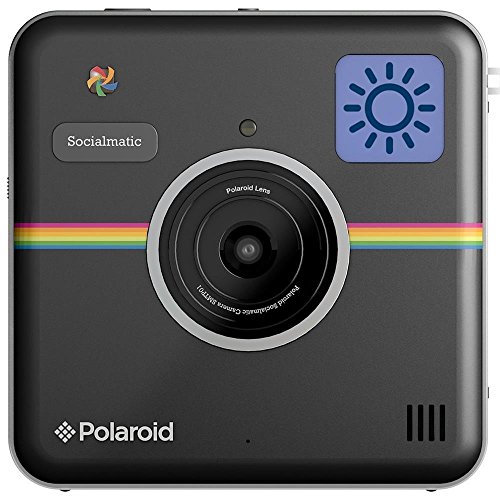
- Snap, Socialmatic y productos digitales con licencia: Snap combina un sensor digital con pequeñas impresiones ZINK adhesivas, mientras que Socialmatic unía captura digital, pantalla, conectividad tipo Android e impresión ZINK. Estas cámaras no exponen película química Polaroid y deben evaluarse como impresoras instantáneas digitales, no como cámaras Now, I-2, SX-70 o 600.
¿Cuánto cuestan las cámaras Polaroid?
Las nuevas cámaras Polaroid disponibles actualmente suelen costar alrededor de 100–700 €, pero la película es el mayor gasto a largo plazo.
Los modelos Polaroid Go suelen costar unos 100–130 €, las cámaras Now alrededor de 130–160 € y los modelos Now+ aproximadamente 160–190 €. Flip suele situarse cerca de 200–230 €, mientras que la avanzada I-2 cuesta unos 600–700 € por su objetivo más nítido, autofoco LiDAR, controles de exposición manual y sincronización de flash.
La película i-Type estándar en color o blanco y negro suele costar unos 18 € para ocho exposiciones. Los paquetes 600 y SX-70 con batería suelen rondar 20 € por ocho, mientras que la película Go ofrece a menudo 16 exposiciones más pequeñas por unos 22 €. Con 100 fotografías de formato estándar, solo la película puede costar unos 220–275 €. Incluye la película en el presupuesto de compra desde el principio, junto con una funda o álbum si es necesario; las cámaras ZINK con licencia como Snap y Socialmatic usan cartuchos de papel con precios distintos y no deben mezclarse en el cálculo de película química.
¿Cómo se comparan las cámaras Polaroid con los modelos Fujifilm Instax?
Polaroid es mejor para obtener la impresión instantánea cuadrada clásica de mayor tamaño y un carácter más suave y experimental, mientras que la película Fujifilm Instax se revela más rápido, cuesta menos por disparo y ofrece resultados más uniformes. Instax también ofrece formatos Mini, Square y Wide, mientras que Polaroid prioriza su marco estándar emblemático y un ritual analógico más lento.
Las cámaras Polaroid actuales cuestan unos 100–700 €, frente a aproximadamente 80–400 € para Instax. Los paquetes de película Polaroid estándar suelen costar alrededor de 20 € para ocho exposiciones y tardan unos 10–15 minutos en revelarse; los paquetes Instax suelen costar 9–15 € para 10 fotos y se revelan en unos 90 segundos, por lo que son la mejor opción para fotografía frecuente o de eventos.
¿Qué debes considerar al elegir la mejor cámara Polaroid?
Ten en cuenta los siguientes puntos al elegir una cámara Polaroid:
- Película analógica frente a ZINK digital: Las cámaras Now, Flip, I-2, Go, SX-70 y 600 exponen película instantánea química, mientras que Snap y Socialmatic capturan un archivo digital e imprimen en papel ZINK. Los consumibles, el carácter de la imagen, el proceso de revelado y los posibles fallos son completamente diferentes.
- Compatibilidad de película: Las modernas Now, Now+, Flip e I-2 recargables pueden usar película i-Type sin batería, mientras que muchas cámaras 600 y SX-70 clásicas necesitan una batería dentro de cada paquete. Confirma exactamente la compatibilidad i-Type, 600, SX-70 o Go; unas dimensiones de fotograma coincidentes no garantizan la sensibilidad ni el funcionamiento eléctrico correctos.
- Tamaño de impresión e imagen: La película Polaroid estándar tiene un marco total de unos 107 × 88 mm y una imagen cercana a 79 × 79 mm, mientras que la película Go es mucho más pequeña. Decide si importa más la portabilidad de bolsillo o el cuadrado más grande para exponer antes de elegir la cámara.
- Sistema de enfoque y distancia mínima: Las Now cambian entre zonas de autofoco, Flip usa enfoque asistido por sonar e I-2 proporciona un sistema LiDAR más avanzado, pero ninguna sigue sujetos como una cámara digital sin espejo. Comprueba la distancia mínima de enfoque y el paralaje del visor, especialmente para retratos cercanos y escenas de mesa.
- Exposición y alcance del flash: La película instantánea tiene poca latitud, por lo que los fondos brillantes, interiores oscuros y sujetos lejanos pueden producir resultados débiles. Aprende a usar el control de compensación de exposición, la anulación del flash, el comportamiento a contraluz y la distancia efectiva del flash, en lugar de suponer que la exposición automática resuelve todas las escenas.
- Control manual y mediante aplicación: Now+ depende de una aplicación telefónica para muchos modos avanzados, mientras que I-2 incluye más información de exposición y control directo en la cámara. Confirma si la prioridad de apertura, prioridad de obturación, exposición múltiple, temporizador, pintura con luz, modo de trípode o sincronización de flash externo están realmente disponibles en el modelo elegido.
- Manipulación durante el revelado: Las impresiones en color suelen necesitar unos 10–15 minutos y deben protegerse de la luz intensa durante las primeras fases del revelado. No agites la foto; colócala boca abajo o bajo una pantalla protectora de película y deja que la química se distribuya uniformemente.
- Temperatura y almacenamiento de película: La química instantánea funciona mejor en un rango de temperatura moderado, mientras que el frío ralentiza el revelado y el calor cambia el color y el contraste. Guarda la película sin abrir en un lugar fresco según las indicaciones del fabricante, deja que los paquetes refrigerados alcancen la temperatura ambiente antes de cargarlos y nunca los congeles.
- Coste por exposición: Los paquetes estándar contienen ocho fotografías y suelen costar unos 20 €, mientras que las alternativas Go e Instax cuestan menos. Estima el uso mensual o por evento antes de comprar, porque el coste de uso puede superar rápidamente el precio de la cámara.
- Alimentación y planificación de viajes: Las cámaras i-Type y Go usan baterías recargables en la cámara, mientras que los paquetes 600 y SX-70 incluyen la batería que alimenta modelos clásicos compatibles. Lleva la batería bien cargada y suficiente película para la sesión, y protege la película sin revelar del calor excesivo y de los escáneres de rayos X aeroportuarios de alta potencia.