¿Qué marcas fabrican las mejores cámaras DSLR para principiantes?
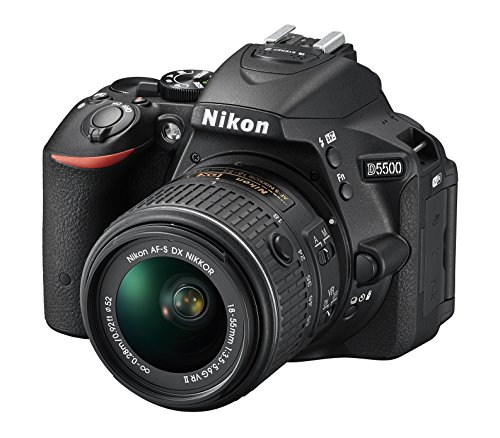
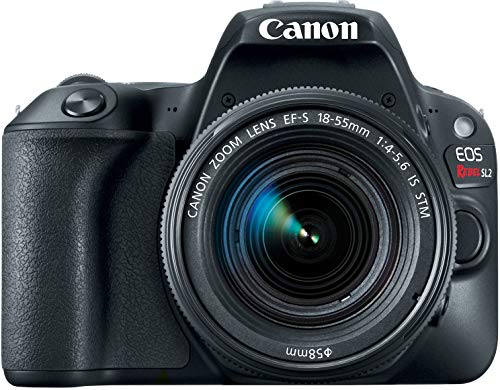
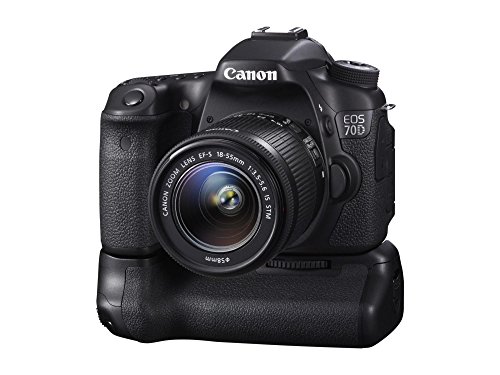
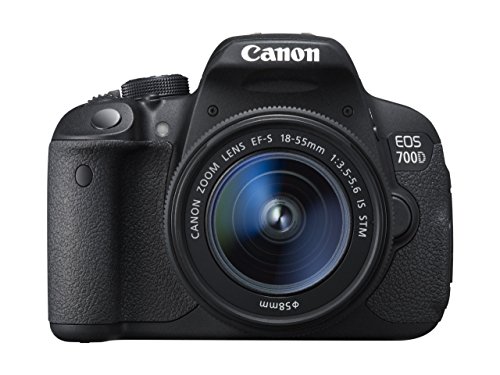
La mejor marca de cámaras DSLR para principiantes se clasifica a continuación:
- Canon (Puntuación general media: 6.5)
El siguiente gráfico compara las marcas de cámaras DSLR para principiantes según su puntuación general media.
[horizontal-chart-01411064859388898412166875948784421106530228794647]
¿Qué hace que una cámara DSLR sea adecuada para principiantes?
Una buena cámara DSLR para principiantes combina un sensor APS-C, controles físicos claros, enfoque automático fiable mediante el visor y un objetivo de kit ligero y estabilizado. Debe facilitar la captura automática y, al mismo tiempo, ofrecer acceso directo a la apertura, la velocidad de obturación, el ISO y los ajustes de enfoque a medida que el fotógrafo aprende.
APS-C suele ser el formato inicial más práctico porque los cuerpos y objetivos son más pequeños y económicos que sus equivalentes de formato completo, mientras que la calidad de imagen sigue siendo suficiente para impresiones grandes y fotografía familiar con poca luz. Unos 20–26 MP son más que suficientes; para un principiante, una empuñadura cómoda, un dial de modos visible, al menos un dial de control y un visor óptico con indicación clara de los puntos de enfoque importan más que una resolución extrema.
El equipo completo debe seguir siendo manejable. Los cuerpos de iniciación suelen pesar unos 450–600 g y un objetivo estabilizado 18–55 mm añade normalmente unos 200–300 g, lo que crea un equipo que puede llevarse durante todo el día sin el volumen de un sistema de formato completo profesional. Busca detección facial fiable en live view, captura continua de aproximadamente 5 fps y una autonomía de al menos unas 500 fotos, para que la cámara resulte útil con niños, mascotas, viajes y eventos escolares, no solo para prácticas estáticas.
¿Qué facilidad de aprendizaje ofrecen las cámaras DSLR para principiantes?
Las cámaras DSLR son razonablemente fáciles de aprender para los principiantes porque sus modos automáticos funcionan de inmediato y sus controles físicos hacen visible la relación entre velocidad de obturación, apertura e ISO. Un principiante puede empezar en modo Programa o prioridad de apertura y añadir después un control manual cada vez, en lugar de pasar directamente a la exposición totalmente manual.
El visor óptico es sencillo y no tiene retardo, pero el enfoque automático se comporta de manera diferente mediante el visor y en live view. La detección de fase del visor suele ser más rápida para sujetos en movimiento, mientras que live view puede ofrecer detección facial y enfoque táctil más fáciles, aunque puede ser más lento en cuerpos antiguos. Aprender qué sistema está activo evita el error habitual de suponer que la cámara tiene el mismo rendimiento de enfoque en todos los modos.
Un menú rápido claro, botones dedicados para ISO y compensación de exposición, y uno o dos diales de control reducen la dependencia de los menús. Los modelos con explicaciones en pantalla y modos guiados pueden ayudar durante las primeras semanas, pero una empuñadura cómoda y controles que sigan siendo accesibles a medida que mejoran las habilidades resultan más valiosos a lo largo de varios años.
¿Qué objetivo de kit es mejor en una cámara DSLR para principiantes?
Para la mayoría de los principiantes que usan una DSLR APS-C, un objetivo de kit estabilizado 18–55 mm f/3.5–5.6 es la mejor elección inicial. Cubre un campo de visión similar a unos 27–88 mm en Nikon o Pentax y aproximadamente 29–88 mm en Canon, lo que resulta útil para paisajes, fotografías cotidianas, grupos y retratos, manteniendo un peso y un precio reducidos.
Elige una versión con estabilización óptica, normalmente marcada VR en Nikon o IS en Canon, salvo que el cuerpo de la cámara ofrezca estabilización por desplazamiento del sensor. La modesta apertura f/3.5–5.6 es la principal limitación: en interiores puede exigir valores ISO más altos o velocidades de obturación más lentas y no desenfocará el fondo con tanta intensidad como un objetivo más luminoso. Por eso, un objetivo fijo 35 mm f/1.8 o 50 mm f/1.8 es una segunda lente razonable cuando el principiante ya entiende qué distancias focales utiliza más.
Un zoom estabilizado 18–135 mm o 18–140 mm es mejor cuando la comodidad de viajar con un solo objetivo importa más que el peso mínimo. Añade un alcance de teleobjetivo útil, pero suele ser más grande, pesado y caro, por lo que el 18–55 mm básico sigue siendo el objetivo de aprendizaje más equilibrado para una primera DSLR.
¿Cuánto cuestan las cámaras DSLR para principiantes?
Las cámaras DSLR nuevas adecuadas para principiantes suelen costar unos 500–1.200 € con un objetivo básico, mientras que las ofertas de solo cuerpo pueden ser inferiores cuando se rebajan las existencias restantes. Los kits APS-C de iniciación más prácticos suelen situarse alrededor de 550–900 € e incluyen un zoom estabilizado 18–55 mm.
Entre unos 900 € y 1.500 €, los compradores obtienen un enfoque automático más potente, ráfagas más rápidas, un visor más grande, más controles directos, mejor protección contra la intemperie o un objetivo de la clase 18–135 mm. Estas mejoras ayudan con el deporte y el aprendizaje a largo plazo, pero también aumentan el peso del cuerpo y el objetivo.
Las DSLR de formato completo suelen elevar el equipo nuevo completo por encima de unos 1.500 €, y los objetivos compatibles son más grandes y caros. Los principiantes deben presupuestar una tarjeta de memoria, una batería de repuesto, una correa cómoda y posiblemente un objetivo fijo más luminoso, en lugar de gastar todo el presupuesto en el cuerpo.
El siguiente gráfico muestra la distribución de precios de las cámaras DSLR para principiantes.
[vertical-chart-16287639473842116447085072729337173570183762459284]
¿Qué debes tener en cuenta al elegir una cámara DSLR para principiantes?
Ten en cuenta los siguientes factores al elegir una cámara DSLR para principiantes:
- Formato y resolución del sensor: Un sensor APS-C suele ofrecer el mejor equilibrio para un principiante; mide unos 22,3 × 14,9 mm en cuerpos Canon o aproximadamente 23,5 × 15,6 mm en cuerpos Nikon y Pentax, frente a 36 × 24 mm del formato completo. Unos 20–26 MP proporcionan detalle de sobra sin las exigencias de almacenamiento, objetivos y técnica de una resolución muy alta. Elige formato completo solo cuando su ventaja con poca luz o en profundidad de campo justifique objetivos más pesados y caros.
- Peso completo del cuerpo y el objetivo: Los cuerpos APS-C de iniciación suelen pesar unos 450–600 g, mientras que un objetivo de kit 18–55 mm añade aproximadamente 200–300 g; por tanto, un primer equipo práctico suele rondar 700–900 g antes de los accesorios. Compara el equipo completo, no solo el peso del cuerpo, porque un zoom 18–135 mm o un teleobjetivo luminoso pueden eliminar la ventaja de un cuerpo pequeño. Comprueba la comodidad de la empuñadura y el acceso a los controles con el objetivo previsto montado.
- Montura y estabilización del objetivo de kit: Confirma la montura exacta y la cobertura del objetivo antes de comprar: los objetivos Canon EF-S y Nikon DX están diseñados para APS-C, mientras que un futuro cambio a formato completo puede requerir objetivos EF o FX. En la mayoría de las DSLR Canon y Nikon, la estabilización está en los objetivos marcados IS o VR, por lo que un objetivo de kit sin estabilizar pierde esa ayuda; muchos cuerpos Pentax estabilizan el sensor. Un 18–55 mm f/3.5–5.6 estabilizado es el primer objetivo general más seguro.
- Controles y ayuda para aprender: Busca un dial de modos claro, acceso a la compensación de exposición, un dial de control, un control ISO y un menú rápido que pueda usarse sin recorrer varias pantallas. Los modos guiados y las explicaciones en pantalla ayudan inicialmente, pero los controles físicos importan más cuando el principiante empieza a usar prioridad de apertura o exposición manual. Asegúrate antes de comprar de que cambiar el punto de enfoque y revisar los ajustes de exposición resulte comprensible.
- Enfoque automático en ambos modos de captura: El enfoque automático del visor y el de live view son sistemas independientes en una DSLR y pueden rendir de forma muy diferente. Para familia o acción ocasional, busca enfoque automático continuo fiable, cobertura útil de puntos y unos 5 fps o más; en live view, comprueba la detección facial y el enfoque táctil en lugar de suponer que se conserva el rendimiento del visor. Los antiguos sistemas de live view por detección de contraste pueden ser notablemente lentos para sujetos en movimiento.
- Autonomía y carga: Una autonomía de unas 500–1.000 fotos CIPA es un objetivo razonable para un principiante cuando se utiliza el visor óptico. Live view, vídeo, transferencia Wi-Fi, frío y revisión frecuente de imágenes reducen la duración, y muchas DSLR no pueden cargarse por USB. Confirma que la batería y el cargador estén fácilmente disponibles e incluye el coste de una batería de repuesto para viajes o eventos.
- Límites de pantalla, visor y vídeo: Un visor óptico luminoso y una pantalla inclinable o totalmente articulada facilitan el encuadre, especialmente desde ángulos bajos o sobre un trípode. Si el vídeo importa, comprueba si la cámara graba 4K o solo 1080p, si el 4K está recortado y si el enfoque automático continuo sigue siendo fiable; una DSLR excelente para fotografía puede ser una cámara débil para vlogging. La entrada de micrófono y la salida HDMI limpia deben comprobarse por separado cuando sean necesarias.
- Coste del sistema y futuros objetivos: Calcula el precio de los objetivos que probablemente añadirá el principiante, como un objetivo fijo 35 mm o 50 mm f/1.8, un zoom teleobjetivo o un objetivo macro de enfoque cercano. Las monturas DSLR tienen amplios catálogos de objetivos, pero el desarrollo de cuerpos nuevos y las existencias son más limitados que en los sistemas mirrorless, así que confirma que baterías, flashes, objetivos y servicio sigan disponibles. El cuerpo con mejor relación calidad-precio es el que deja suficiente presupuesto para el sistema completo y utilizable.