¿Son buenas las cámaras sin espejo Canon?
Las cámaras sin espejo Canon son especialmente buenas para retratos, eventos, fauna, deporte, vlogging y trabajos híbridos de foto y vídeo porque su enfoque y manejo son siempre accesibles. Dual Pixel CMOS AF utiliza detección de fase en el sensor, y los cuerpos EOS R más recientes añaden reconocimiento de ojos y sujetos para personas, animales y vehículos. El resultado es un enfoque de vídeo fluido y un seguimiento fotográfico fiable, sin obligar al fotógrafo a aprender dos sistemas de enfoque distintos.
La gama RF avanza desde los modelos R50 y R10 para aprendizaje y viaje hasta la R7 APS-C estabilizada, la compacta R8 de formato completo y las familias R6, R5, R3 y R1, más rápidas y de mayor resolución. Los objetivos DSLR EF y EF-S se adaptan a EOS R conservando generalmente el control del diafragma, el enfoque y la estabilización óptica. Comprueba el nivel exacto: R100, R50, R10 y R8 carecen de estabilización en el cuerpo, mientras que los modelos básicos pueden tener una sola ranura, baterías pequeñas, sellado limitado o ninguna toma de auriculares. Algunos modos de vídeo avanzados añaden recortes, límites térmicos o archivos grandes, y también deben comprobarse la disponibilidad y el precio de los objetivos RF/RF-S nativos.
¿Cuáles son las principales series de cámaras sin espejo Canon?
Las principales series y modelos sin espejo Canon son los siguientes:
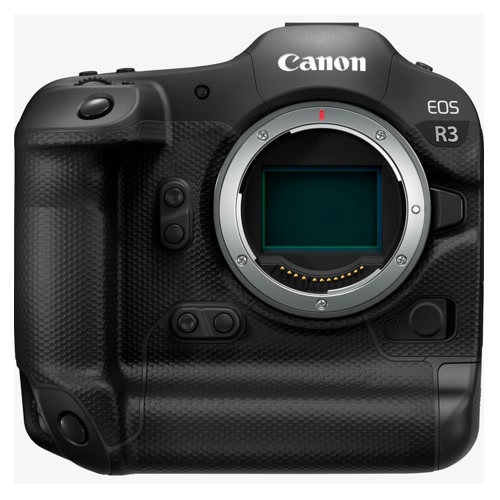
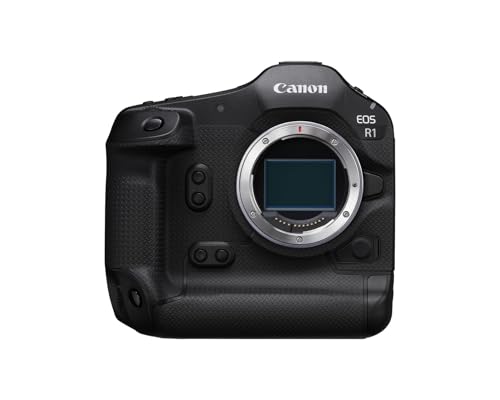
- EOS R1 y R3: Son los cuerpos profesionales Canon de formato completo orientados a la velocidad, construidos con empuñaduras profundas, baterías grandes, sellado robusto, lectura rápida del sensor y seguimiento avanzado de sujetos. Están diseñados para fotógrafos de deporte, noticias y fauna que necesitan ráfagas y manejo fiables más que un tamaño compacto o el menor coste del sistema.
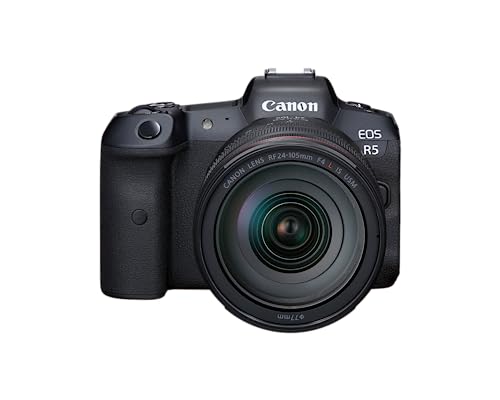
- Familia EOS R5: Las cámaras de clase R5 combinan fotografía de formato completo y alta resolución con vídeo avanzado, situándose entre el trabajo de estudio o detalle y la producción híbrida profesional. La R5, R5 Mark II y R5 C orientada al vídeo difieren en generación de enfoque, ráfaga, refrigeración, códecs, alimentación y estabilización, por lo que no deben tratarse como versiones intercambiables de una misma especificación.
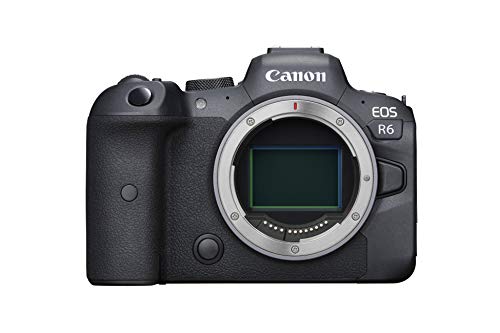
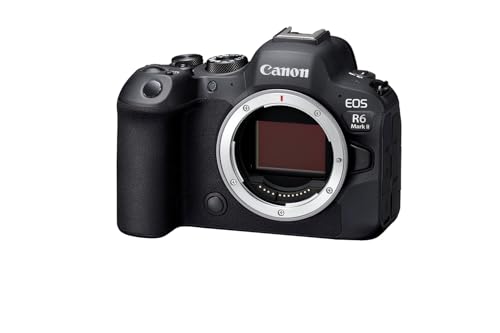
- Familia EOS R6: La línea R6 favorece un rendimiento equilibrado de formato completo en lugar del máximo de megapíxeles. Es una gran opción para eventos, bodas, retratos, poca luz y uso híbrido porque combina estabilización en el cuerpo, enfoque rápido, ráfagas útiles y vídeo avanzado en un conjunto más asequible que las categorías R5 o insignia.
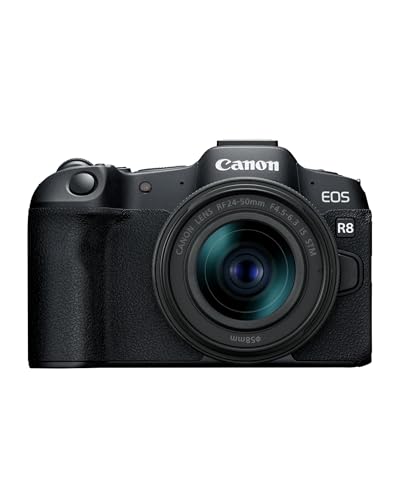
- EOS R7 y R8: La R7 es un cuerpo APS-C avanzado con recorte de campo visual de 1,6×, estabilización en el cuerpo, dos ranuras y controles adecuados para fauna o deporte. La R8 es en cambio una compacta de formato completo para viajes, retratos y uso híbrido; ofrece las características de imagen del formato completo, pero prescinde de estabilización en el cuerpo y utiliza un cuerpo y una batería menores.
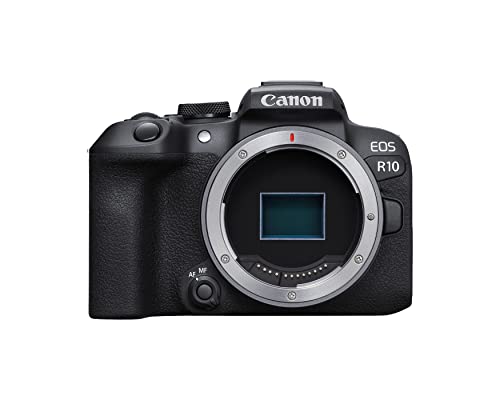
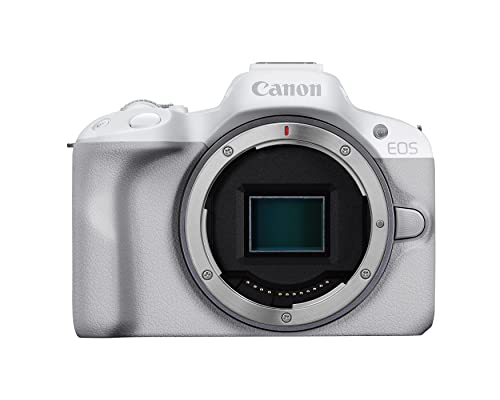
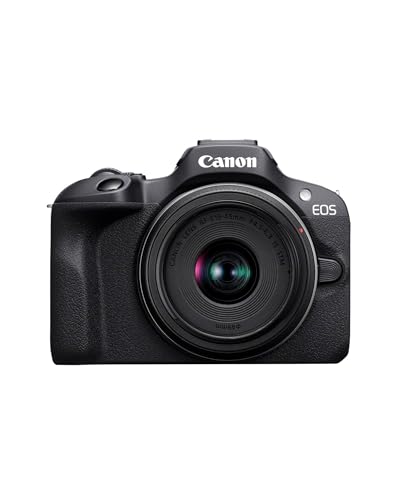
- EOS R10, R50 y R100: Estos cuerpos APS-C RF abarcan desde el aficionado principiante hasta el uso básico de entrada. La R10 ofrece más controles directos y velocidad, la R50 prioriza el manejo guiado y las funciones para creadores, y la R100 reduce el coste con una pantalla e interfaz más sencillas; ninguna incorpora estabilización en el cuerpo.
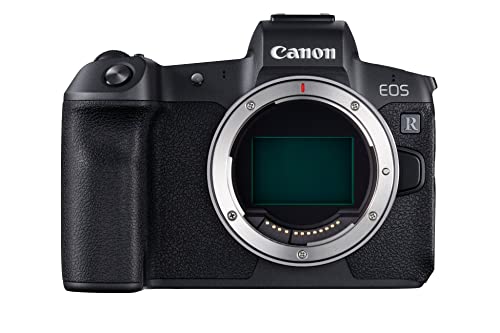
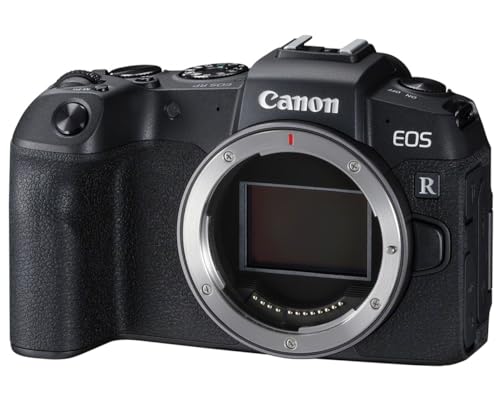
- EOS R y RP: Los primeros cuerpos RF de formato completo de Canon siguen siendo importantes porque establecieron la montura e introdujeron a muchos usuarios de DSLR en las Canon sin espejo. Su enfoque, velocidad de ráfaga, modos de vídeo e interfaz son menos avanzados que los de equivalentes recientes, por lo que la edad del modelo importa aunque el sensor y la compatibilidad de objetivos parezcan similares.
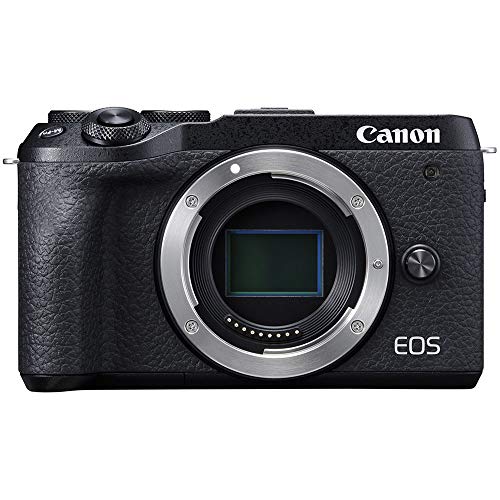
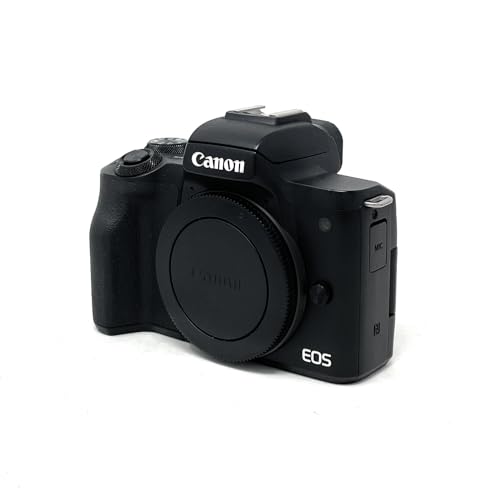
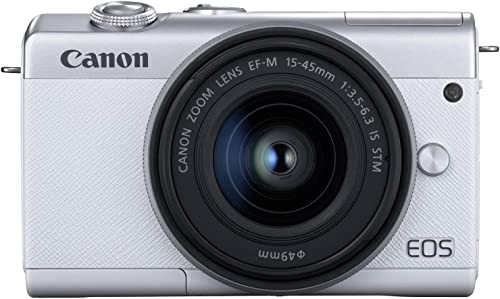
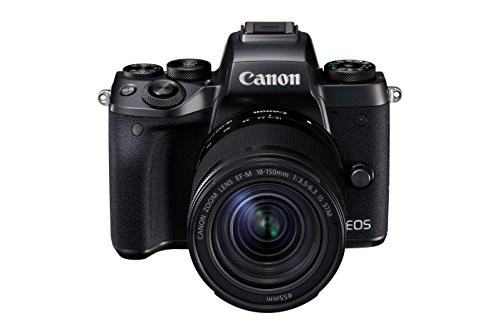
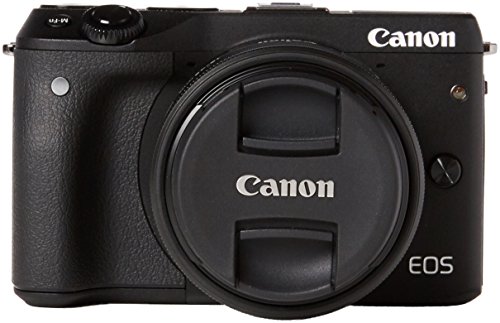
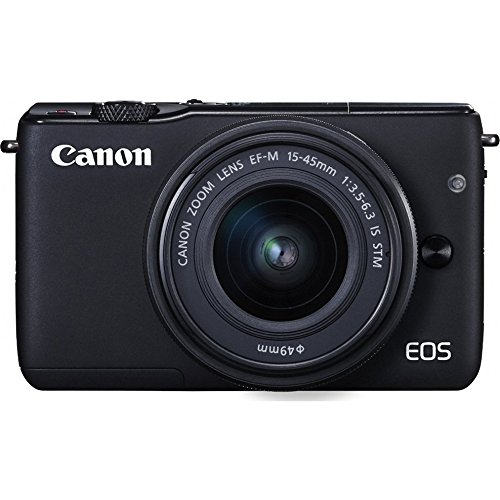
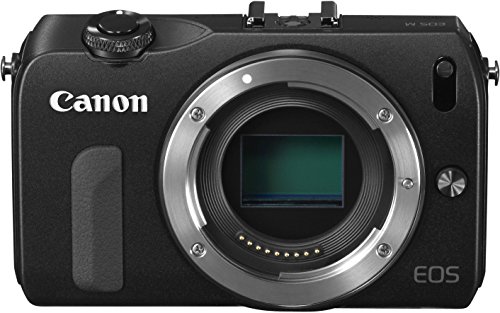
- Familia EOS M: Modelos como M50 Mark II, M6 Mark II y M200 utilizan la montura compacta APS-C EF-M en lugar de RF. EOS M aún puede rendir bien como cámara autónoma, pero los objetivos EF-M no se montan en cuerpos EOS R y el desarrollo actual de Canon se centra en RF, por lo que es una vía de sistema descontinuado y no una entrada a la gama actual.
¿Cuánto cuestan las cámaras sin espejo Canon?
Las nuevas cámaras sin espejo Canon suelen costar unos 400–7.500 € por el cuerpo o un kit básico, y la gama RF actual abarca desde APS-C para principiantes hasta insignias profesionales de formato completo. El precio final depende del formato del sensor, la estabilización, la ráfaga, los modos de vídeo, las ranuras, la construcción y, sobre todo, los objetivos necesarios.
Los precios básicos de EOS R empiezan en unos 400–700 € por un cuerpo o kit R100, mientras que un kit R50 suele costar 700–900 €. La R10 ocupa habitualmente el nivel de 900–1.300 €, y la R7 o R8 ronda generalmente 1.200–1.700 €. La R7 cuesta más por su velocidad APS-C, estabilización, dos tarjetas y controles para fauna; la R8, de precio similar, paga en cambio un sensor de formato completo en un cuerpo más ligero sin estabilización interna.
Los cuerpos R6 cuestan unos 2.000–3.000 €, mientras que un híbrido de alta resolución de clase R5 suele situarse en 3.500–5.000 €. Los modelos profesionales R3 y R1 van aproximadamente de 4.500 € a 7.500 €, pagando lectura y enfoque más rápidos, durabilidad, baterías grandes, conectividad y fiabilidad en lugar de más megapíxeles. Incluye los objetivos: zooms RF/RF-S de consumo y objetivos fijos compactos pueden costar 200–800 €, los zooms luminosos serie L suelen alcanzar 1.500–3.500 € y los superteleobjetivos especializados pueden superar 10.000 €. Los objetivos EF y EF-S se adaptan, pero compara coste, tamaño, manejo y comodidad del adaptador con un equivalente RF o RF-S nativo.
¿Cómo se comparan las cámaras sin espejo Canon con los modelos sin espejo Sony?
Las Canon sin espejo suelen ser la opción más sencilla para disparo híbrido táctil y pantallas totalmente articuladas, mientras que Sony ofrece más objetivos nativos con montura E y una selección mayor de cuerpos compactos de formato completo. Ninguna tiene una ventaja universal de calidad de imagen con un sensor de tamaño equivalente.
El enfoque Dual Pixel de Canon y los adaptadores de objetivos EF hacen accesible el sistema EOS R; Sony responde con seguimiento de sujetos maduro y una amplia oferta de objetivos propios y de terceros. Compara R50/R10 con cuerpos APS-C Sony, R8 con opciones Alpha compactas de formato completo y los niveles R6/R5 con modelos Alpha 7 equivalentes, atendiendo a estabilización, ranuras, recortes de vídeo y límites térmicos.
Los cuerpos o kits sin espejo Canon cuestan unos 400–7.500 €, mientras que Sony abarca aproximadamente 550–7.500 €. Las principales opciones APS-C y de formato completo se solapan sobre todo entre 650 € y 3.000 €, por lo que la mejor relación calidad-precio suele corresponder al sistema que ofrece el objetivo necesario al menor precio total.
¿Qué debes tener en cuenta al elegir la mejor cámara sin espejo Canon?
Considera los siguientes puntos al elegir una cámara sin espejo Canon:
- Elige deliberadamente RF o EOS M: RF y RF-S forman el sistema sin espejo actual de Canon, con cuerpos de formato completo y APS-C. Los objetivos EF-M no se instalan en cuerpos RF y EOS M es una vía descontinuada, así que no debe elegirse esperando trasladar sus objetivos a una futura EOS R.
- Adapta APS-C o formato completo al sujeto: Los cuerpos Canon APS-C aplican un recorte de campo visual de unos 1,6×, que ayuda a llenar el encuadre con teleobjetivos menores para fauna y deporte, pero dificulta igualar el gran angular y la poca profundidad de campo. El formato completo mejora la flexibilidad con ISO alto y profundidad de campo, aunque los objetivos equivalentes suelen ser mayores y más caros.
- Verifica la estabilización en el cuerpo: La R7, las familias R6 y R5, R3 y R1 incorporan estabilización por desplazamiento del sensor, mientras que R100, R50, R10 y R8 dependen principalmente de un objetivo IS o de estabilización electrónica de vídeo con recorte. A pulso con poca luz, objetivos fijos sin estabilizar o vídeo caminando, esta diferencia puede importar más que un pequeño aumento de resolución.
- Lee los modos de enfoque más allá del titular: Comprueba qué sujetos reconoce la cámara, si la detección ocular funciona en los modos fotográficos y de vídeo previstos, la facilidad para cambiar objetivos y si el seguimiento permanece activo con la ráfaga necesaria. Los modelos recientes de gama alta ofrecen reconocimiento y controles más sofisticados que la primera generación EOS R/RP.
- Separa las cifras de ráfaga mecánica y electrónica: Confirma velocidad mecánica o de primera cortinilla electrónica, velocidad del obturador electrónico, profundidad del búfer RAW, tiempo de escritura y lectura del sensor. Un modo silencioso rápido aún puede mostrar distorsión de rolling shutter o bandas con movimiento y luz artificial, por lo que la frecuencia máxima anunciada puede ser inadecuada para algunos deportes o eventos.
- Examina el modo de vídeo exacto: Comprueba si el 4K está sobremuestreado o recortado, qué frecuencias conservan Dual Pixel AF, si hay Canon Log y grabación de 10 bits, y si el calor o la alimentación limitan sesiones largas. La entrada de micrófono es habitual, pero la toma de auriculares, HDMI de tamaño completo, refrigeración activa y códecs profesionales pertenecen a determinados niveles superiores.
- Construye primero el equipo de objetivos: Calcula el precio de las distancias focales y aperturas RF o RF-S necesarias antes de elegir el cuerpo. Los objetivos EF y EF-S existentes suelen conservar enfoque y estabilización mediante un adaptador EF-EOS R, pero este añade longitud y puede desequilibrar hacia delante una cámara compacta.
- Comprueba las funciones operativas: Dos ranuras, sellado, batería mayor, joystick AF, pantalla superior, empuñadura profunda y soportes rápidos importan en eventos de pago, fauna y producción. Los cuerpos básicos pueden crear archivos excelentes pero omitir varias protecciones, así que compara la cámara física y el flujo de trabajo, no solo el sensor.
- Confirma asistencia y accesorios: Comprueba firmware actual, tipo de batería y cargador, requisitos de alimentación USB, compatibilidad con flash, conexiones de mando y micrófono, adaptadores y servicio autorizado. Los accesorios y baterías no se comparten por igual en todos los niveles EOS R, y un cuerpo compacto puede requerir repuestos adicionales para una jornada completa.