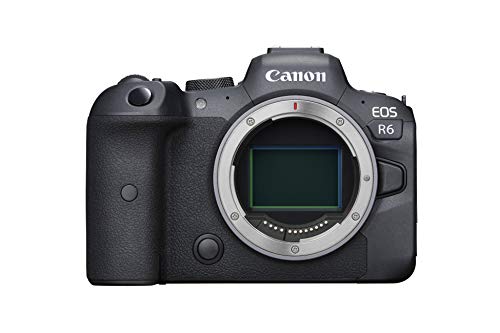
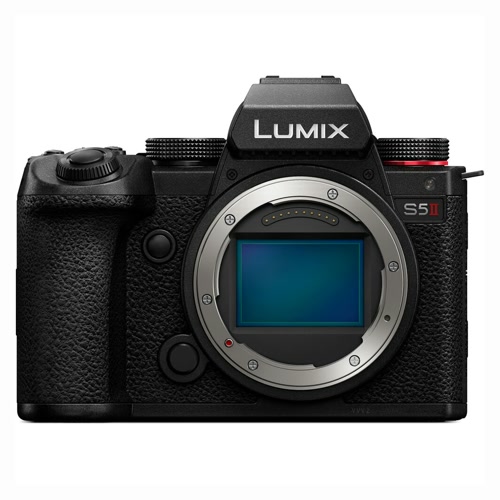
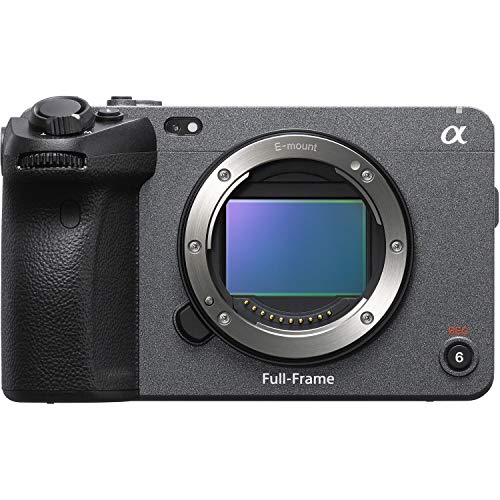
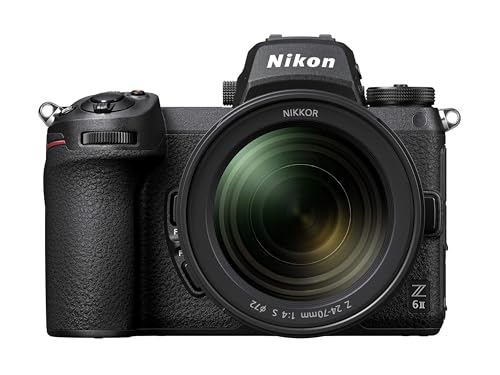
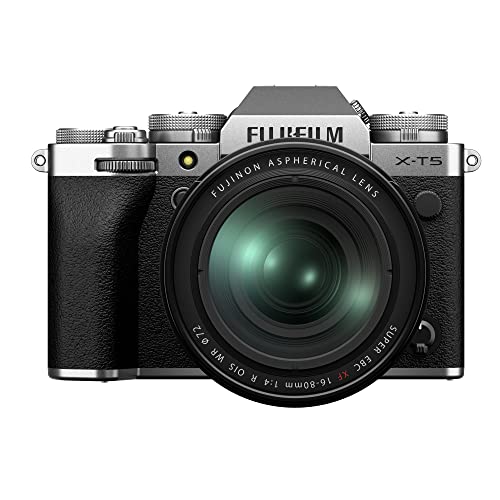
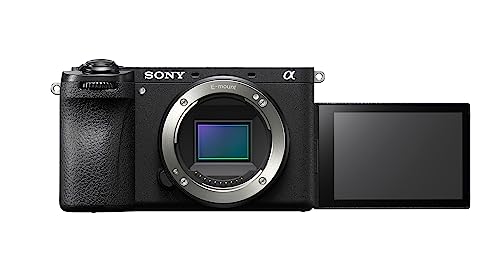
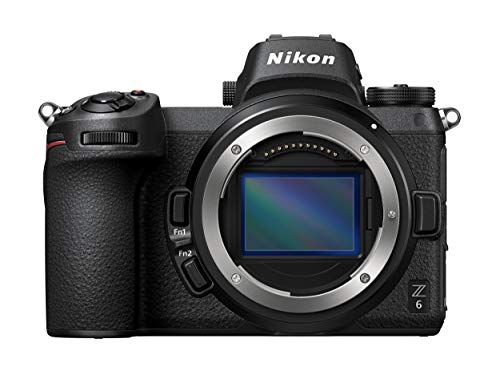
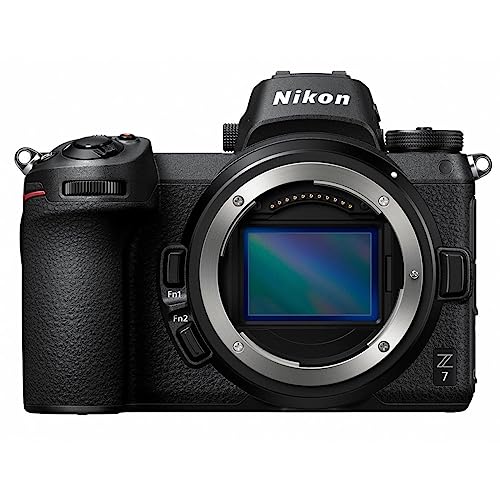
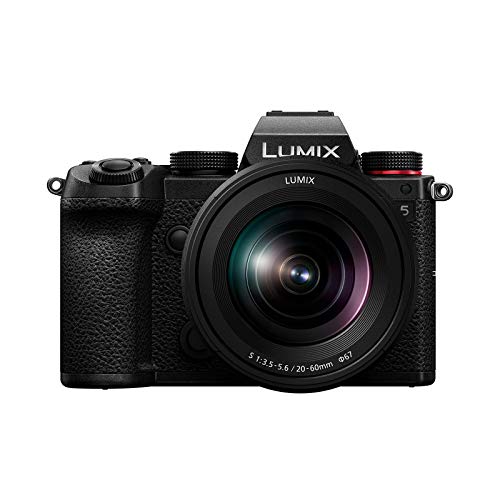
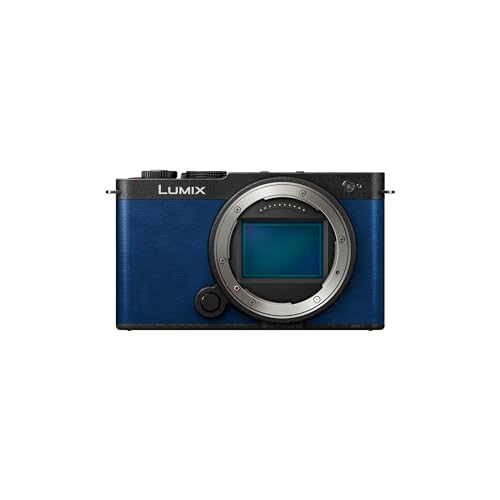
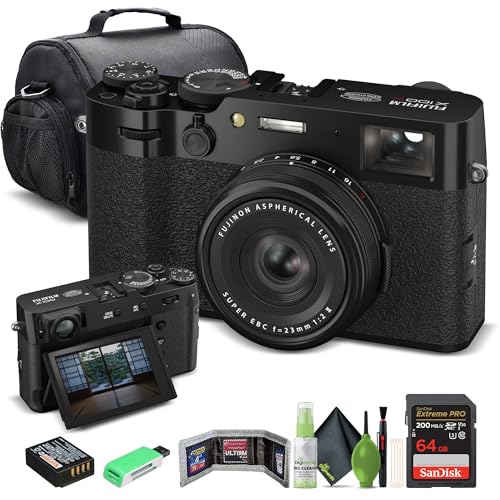
¿Qué marcas fabrican las mejores cámaras digitales?
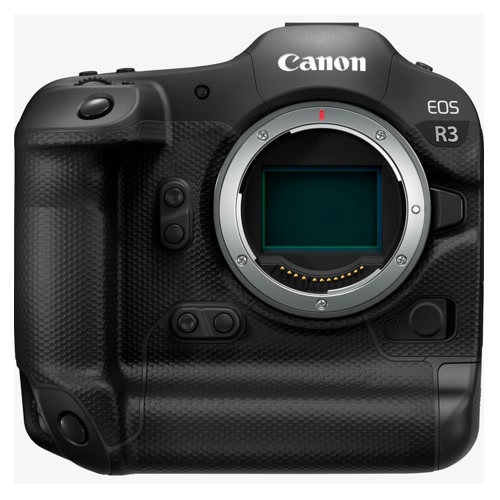
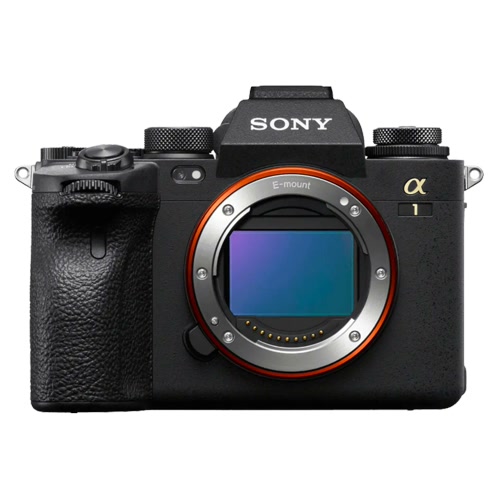
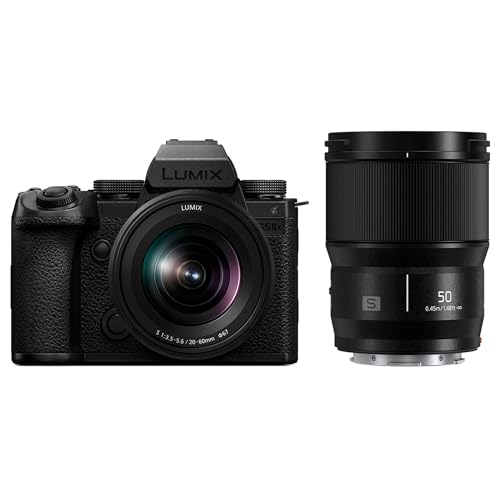
Las mejores marcas de cámaras digitales se clasifican a continuación:
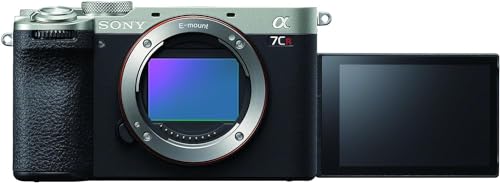
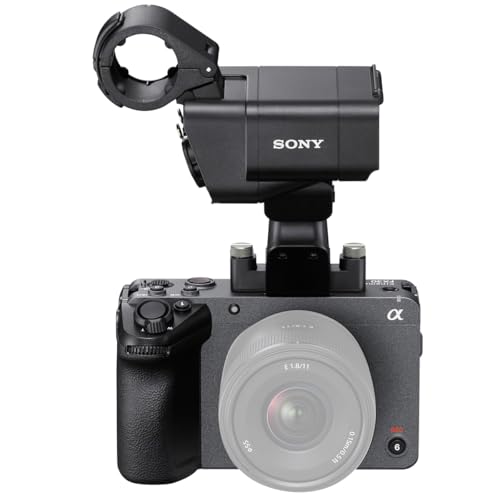
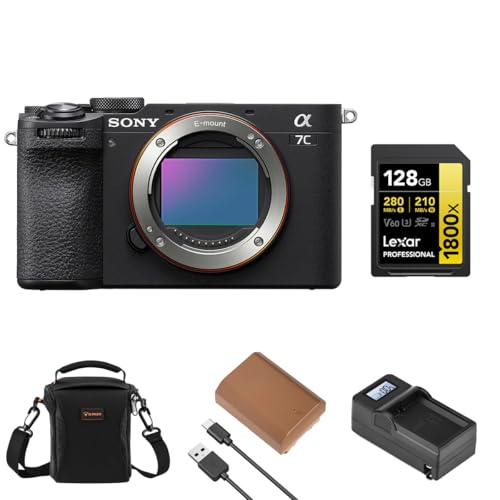
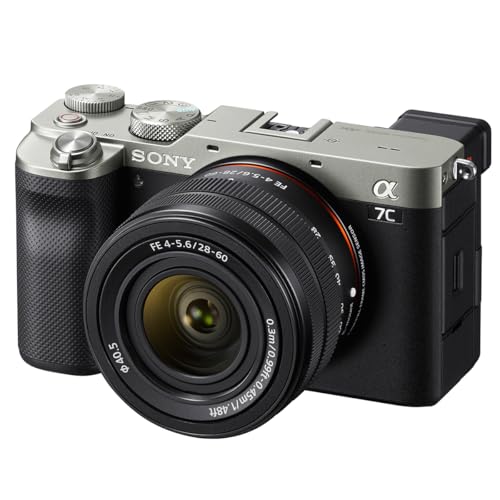
- Sony (Puntuación general media: 8.6)
- OM System (Puntuación general media: 8.1)
- Nikon (Puntuación general media: 7.7)
El siguiente gráfico compara las marcas de cámaras digitales según su puntuación general media.
[horizontal-chart-01577259834648091757105710739110051238292053984796]
¿Qué es una cámara digital?
Una cámara digital registra fotografías con un sensor de imagen electrónico y las guarda como archivos en lugar de exponer una película química. La luz pasa a través del objetivo, el sensor la convierte en información eléctrica y la cámara procesa esa información en JPEG, HEIF, RAW u otro formato de imagen.
El diseño digital permite revisar las imágenes al instante, utilizar tarjetas de memoria reutilizables, ajustar el ISO y disponer de enfoque automático electrónico, metadatos y opciones sencillas de edición o uso compartido. Las cámaras abarcan desde compactas sencillas con objetivo fijo hasta cuerpos profesionales con objetivos intercambiables, pero todas siguen el mismo proceso básico que convierte los datos del sensor en un archivo.
¿En qué se diferencian las cámaras digitales de las cámaras de película?
Las cámaras digitales sustituyen la película fotosensible utilizada por las cámaras analógicas por un sensor electrónico y almacenamiento extraíble. Una exposición digital puede revisarse de inmediato, copiarse sin pérdida de calidad y ajustarse mediante opciones como ISO, balance de blancos, perfil de imagen y reducción de ruido.
Las cámaras de película producen un negativo o una diapositiva físicos con una sensibilidad fija, un grano característico y una respuesta de color particular. Normalmente, el fotógrafo solo ve el resultado terminado después del revelado, lo que ralentiza el proceso pero puede fomentar una forma de fotografiar más deliberada.
La estructura de costes también es diferente. La fotografía digital requiere baterías, tarjetas de memoria y, con el tiempo, almacenamiento de datos, pero cada fotograma adicional cuesta muy poco. La película exige un rollo nuevo, además de revelado y escaneado, por lo que disparar con frecuencia resulta más caro.
Ninguno de los dos medios es automáticamente más artístico. El digital es más rápido, flexible y sencillo para trabajos exigentes de enfoque automático o vídeo; la película ofrece un proceso y una representación distintivos que algunos fotógrafos prefieren precisamente porque son más lentos y menos predecibles.
¿Qué tipos de cámaras digitales hay disponibles?
Los principales tipos de cámaras digitales son los siguientes:
- Cámaras compactas: Modelos con objetivo fijo diseñados para facilitar el transporte y ofrecer un manejo sencillo. Abarcan desde cámaras de bolsillo económicas hasta compactas prémium con sensores de 1 pulgada, APS-C o formato completo.
- Cámaras sin espejo: Sistemas de objetivos intercambiables con visores electrónicos, enfoque automático moderno con detección de sujetos y sólidas funciones híbridas de foto y vídeo. Monturas como Sony E, Canon RF, Nikon Z, Fujifilm X y Micro Cuatro Tercios cubren una amplia variedad de presupuestos.
- Cámaras réflex: Cuerpos con objetivos intercambiables que utilizan un visor óptico y un espejo réflex. Ofrecen empuñaduras amplias, una batería duradera y sistemas de objetivos consolidados, aunque la mayoría son más grandes que los modelos sin espejo equivalentes.
- Cámaras bridge: Cámaras con objetivo fijo, empuñaduras profundas e intervalos de zoom muy amplios. Son adecuadas para viajes, fauna y sujetos lejanos cuando llevar varios objetivos resultaría incómodo.
- Cámaras digitales especializadas: Los diseños telemétricos, de formato medio, de cine, de acción, instantáneos-digitales y resistentes al agua priorizan una experiencia de captura específica sobre la versatilidad general.
¿Cuánto cuestan las cámaras digitales?
Las cámaras digitales suelen costar desde unos 100 € por una compacta básica hasta más de 4.000 € por un cuerpo profesional, mientras que los modelos especializados de formato medio y cine pueden alcanzar precios muy superiores.
Entre unos 200 € y 500 €, los compradores encuentran principalmente compactas competentes, cámaras bridge y algunos cuerpos básicos con objetivos intercambiables. La franja de 500–1.500 € añade sensores más grandes, un enfoque automático mejor, visores más eficaces, controles perfeccionados y vídeo 4K más útil.
Por encima de 1.500 €, el dinero adicional se destina cada vez más a ráfagas más rápidas, sellado contra la intemperie, seguimiento avanzado del sujeto, sensores con mayor resolución, vídeo de 10 bits y conectividad profesional. Recuerda que los sistemas de objetivos intercambiables también requieren un presupuesto para ópticas; un objetivo adecuado puede influir más en el resultado final que subir un nivel en la gama de cuerpos de cámara.
El siguiente gráfico muestra la distribución de precios de las cámaras digitales.
[vertical-chart-04794295569201607336115723847363474121183709462539]
¿Qué calidad de imagen ofrecen las cámaras digitales?
La calidad de imagen de una buena cámara digital puede abarcar desde agradables instantáneas cotidianas hasta archivos aptos para grandes impresiones profesionales. El formato del sensor marca la mayor diferencia estructural: los sensores de 1 pulgada y más pequeños priorizan el tamaño compacto, APS-C y Cuatro Tercios equilibran calidad y portabilidad, y los cuerpos de formato completo o medio proporcionan más margen para el rendimiento con poca luz y el control de la profundidad de campo.
La resolución suele situarse en torno a 20–45 MP en cámaras polivalentes de buen nivel, aunque los cuerpos especializados pueden alcanzar 100 MP o más. Un mayor número de píxeles solo ayuda al recortar y conservar detalles finos cuando el objetivo, la precisión del enfoque, la velocidad de obturación y el procesamiento son igualmente eficaces.
La captura RAW ofrece al fotógrafo más control sobre el balance de blancos, el ruido, la nitidez, las sombras y las altas luces que un JPEG terminado. Para valorar la calidad real, examina la textura a ISO alto, la uniformidad de los tonos de piel, la recuperación de las altas luces, la nitidez del objetivo y la estabilización, en lugar de elegir únicamente por los megapíxeles.
¿Qué opciones de objetivos admiten las cámaras digitales?
Las principales opciones de objetivos para cámaras digitales son las siguientes:
- Objetivos intercambiables para cámaras sin espejo: Las monturas modernas como Sony E, Canon RF, Nikon Z, Fujifilm X y Micro Cuatro Tercios admiten focales fijas, zooms, objetivos macro y teleobjetivos especializados. Los objetivos nativos suelen proporcionar la mejor compatibilidad con el enfoque automático y la estabilización.
- Objetivos para cámaras réflex: Los sistemas Canon EF/EF-S, Nikon F, Pentax K y Sony A ofrecen catálogos amplios y consolidados. Muchos objetivos se pueden adaptar a cuerpos sin espejo, aunque la velocidad del enfoque automático y la compatibilidad con las funciones pueden variar.
- Objetivos zoom integrados: Las cámaras compactas y bridge pueden cubrir desde un modesto intervalo para uso diario hasta un superzoom extremo. Comprueba la distancia focal equivalente y la apertura máxima, porque un zoom largo suele perder luminosidad hacia el extremo teleobjetivo.
- Objetivos de focal fija integrados: Las compactas prémium utilizan a veces un único objetivo luminoso equivalente a 28 mm, 35 mm o 50 mm. Esto limita la flexibilidad del encuadre, pero puede mejorar la portabilidad, el rendimiento con poca luz y la calidad óptica.
- Ópticas especializadas: Los objetivos macro, descentrables y basculables, ojo de pez, de cine y los teleobjetivos muy largos responden a necesidades creativas o profesionales más concretas. Conviene comprobar su disponibilidad y precio antes de comprometerse con una montura de cámara.
¿Qué debes comprobar antes de comprar una cámara digital?
Antes de comprar una cámara digital, ten en cuenta los siguientes factores:
- Tipo de cámara y peso de transporte: Las compactas de bolsillo suelen pesar unos 100–300 g, mientras que los cuerpos sin espejo y réflex alcanzan habitualmente 400–1.000 g antes de montar un objetivo. Incluye el objetivo previsto, una batería de repuesto y la empuñadura al decidir si el equipo completo resulta realista para viajar o usarlo a diario.
- Formato y resolución del sensor: Cuatro Tercios mide aproximadamente 17,3 × 13 mm, APS-C unos 23,5 × 15,6 mm y el formato completo 36 × 24 mm. Alrededor de 20–45 MP son suficientes para la mayoría de las fotografías; da prioridad a la captura RAW, la textura a ISO alto, el rango dinámico y los objetivos adecuados antes de pagar por 60–100 MP.
- Enfoque automático, velocidad de ráfaga y búfer: Para deportes, fauna, niños o eventos, busca una buena cobertura de detección de fase, reconocimiento de ojos o sujetos y un enfoque automático continuo fiable. Una cámara adecuada para la acción puede disparar a unos 8–15 fps, pero comprueba también cuántos fotogramas RAW registra antes de que el búfer ralentice la ráfaga.
- Sistema de objetivos y coste total: Confirma que la montura ofrece los objetivos que realmente necesitarás, como un zoom cotidiano equivalente a 24–70 mm, una focal fija luminosa de 35 mm o 50 mm f/1,8, opciones macro o un teleobjetivo de la categoría 70–200 mm. Compara las alternativas nativas y de terceros, la compatibilidad con la estabilización, el tamaño y los precios de los objetivos antes de fijar el presupuesto del cuerpo.
- Especificaciones de vídeo y fiabilidad de grabación: 4K a 24–30 fps es una base práctica, mientras que 4K/50–60 fps ayuda con el movimiento y la cámara lenta. Elige 10 bits 4:2:2 en lugar del sencillo 8 bits 4:2:0 cuando sea importante una gradación de color intensa, y comprueba el recorte, el rolling shutter, el enfoque automático, los puertos de micrófono y auriculares, la salida HDMI limpia, los límites térmicos y la duración máxima de los clips.
- Visor, controles y construcción: Un visor electrónico de 2,36 millones de puntos es utilizable, mientras que 3,69 millones de puntos o más suelen ofrecer una imagen más clara para el enfoque manual y la comprobación de detalles. Prueba la comodidad de la empuñadura, los dos diales de control, el joystick de enfoque automático, la respuesta de la pantalla táctil, la velocidad de los menús, el sellado contra la intemperie y si la pantalla se inclina o se articula por completo para el estilo de captura previsto.
- Batería y tarjetas de memoria: Unas 300–500 tomas según la clasificación CIPA son un objetivo general razonable, aunque el vídeo, la transferencia inalámbrica, el frío y la revisión continua pueden reducir esa cifra. Comprueba si la cámara se carga por USB y si sus modos de vídeo o ráfaga más exigentes requieren tarjetas SD UHS-II V60/V90 o soportes CFexpress más rápidos.