¿Qué marcas fabrican las mejores cámaras para viajar?
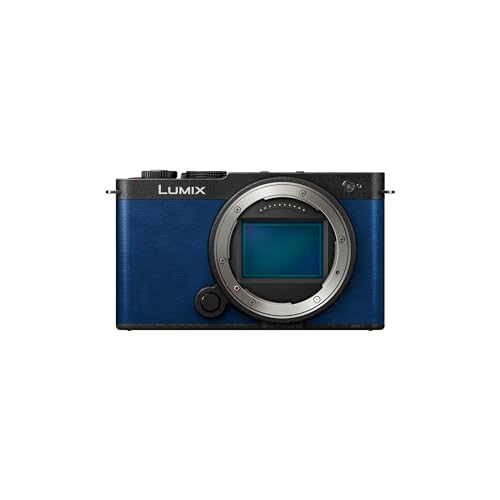
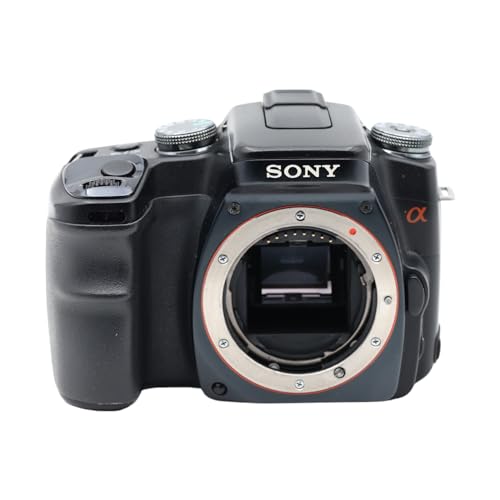
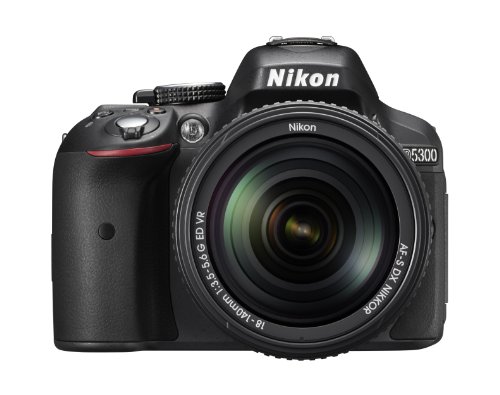
Las mejores marcas de cámaras para viajar se clasifican a continuación:
- Sony (Puntuación general media: 8.6)
- OM System (Puntuación general media: 8.1)
- Nikon (Puntuación general media: 7.7)
El siguiente gráfico compara las marcas de cámaras para viajar según su puntuación general media.
[horizontal-chart-01577259834648091757105710739110051238292053984796]
¿Qué hace que una cámara sea adecuada para viajar?
Una cámara es adecuada para viajar cuando ofrece los sujetos y la calidad de imagen necesarios con un sistema de objetivos, una configuración de alimentación y un nivel de protección que siguen siendo prácticos durante todo el viaje. La cuestión decisiva no es si un cuerpo tiene las especificaciones más altas, sino si el equipo completo puede cubrir paisajes, personas, interiores, escenas callejeras o fauna sin dejar en casa una capacidad importante.
Un objetivo versátil suele importar más que añadir otro cuerpo. Un rango equivalente a 24–70 mm resulta adecuado para ciudades y turismo general, 24–120 mm o 24–200 mm reduce los cambios de objetivo y un objetivo fijo luminoso mejora las escenas nocturnas; la estabilización óptica o por desplazamiento del sensor ayuda con sujetos estáticos con poca luz, pero no puede congelar a personas en movimiento.
La fiabilidad durante el viaje también incluye suficiente capacidad de batería para todo un día, carga USB mediante un adaptador común o una batería externa, tarjetas de memoria accesibles, transferencia rápida al teléfono y protección adecuada contra la intemperie. El GPS resulta práctico para cartografiar una ruta, aunque el geoetiquetado vinculado al teléfono puede ofrecer el mismo registro con un menor consumo de energía de la cámara.
¿Qué portabilidad ofrecen las cámaras para viajar?
Las cámaras para viajar abarcan desde modelos realmente de bolsillo, de unos 100–115 mm de ancho y 200–350 g de peso, hasta equipos de objetivos intercambiables que ocupan una pequeña bolsa de hombro y pesan desde 700 g hasta bastante más de 1,5 kg. Un cuerpo mirrorless pequeño típico mide aproximadamente 115–130 mm de ancho, 65–85 mm de alto y 40–70 mm de profundidad antes de montar un objetivo, por lo que las dimensiones del cuerpo por sí solas no describen lo fácil que resulta guardarlo.
Compara la configuración que realmente se transporta: cuerpo, objetivo, batería, cargador, batería de repuesto, correa, filtros y cualquier funda protectora. Un cuerpo de 350–500 g con un zoom compacto de 250 g sigue siendo cómodo durante largas caminatas, mientras que un zoom luminoso de formato completo puede añadir 700–1.000 g y exigir una bolsa más profunda; una empuñadura más pequeña puede ahorrar espacio, pero resultar fatigosa con un objetivo pesado en la parte delantera.
El siguiente gráfico compara la distribución del peso de las cámaras adecuadas para viajar.
[vertical-chart-08784060358811070449101776571876100382942284253647]
¿Cuánto zoom resulta útil en una cámara para viajar?
Un zoom de 5× a 10× que cubra aproximadamente 24–120 mm o 24–240 mm equivalentes resulta útil para la mayoría de la fotografía de viaje. El extremo angular sirve para arquitectura, paisajes e interiores, mientras que el teleobjetivo encuadra retratos, detalles y sujetos moderadamente distantes sin necesidad de cambiar de objetivo.
Los viajes urbanos rara vez necesitan un alcance extremo, pero los safaris, las aves, los detalles de montañas y los eventos pueden justificar una cobertura equivalente a 300–600 mm. Los zooms más largos amplían el movimiento de la mano y la bruma atmosférica, suelen tener aperturas máximas más pequeñas y pueden reducir la calidad de imagen hacia el extremo del rango, por lo que la estabilización y una buena luz diurna adquieren cada vez más importancia.
Los usuarios de objetivos intercambiables pueden elegir un zoom compacto equivalente a 24–70 mm junto con un pequeño objetivo fijo, o un solo superzoom por comodidad. Un objetivo 16–50 mm en APS-C se comporta aproximadamente como un 24–75 mm en formato completo, mientras que un objetivo Micro Cuatro Tercios 14–140 mm ofrece una visión equivalente a unos 28–280 mm; compara las distancias focales equivalentes, no solo las cifras impresas en el objetivo.
¿Qué calidad de imagen deben ofrecer las cámaras para viajar?
Las cámaras para viajar deben producir archivos limpios y detallados a la luz del día y conservar suficiente calidad con poca luz para interiores, calles nocturnas y escenas a pulso. Una buena compacta de tipo 1 pulgada supone un avance significativo respecto a la mayoría de los superzooms de sensor pequeño, mientras que las cámaras Cuatro Tercios y APS-C ofrecen más rango dinámico y flexibilidad a valores ISO altos sin necesitar los objetivos más grandes.
Unos 20–26 MP son suficientes para viajes generales, presentaciones 4K, impresiones y recortes moderados. Las resoluciones más altas, alrededor de 40–60 MP, benefician a las impresiones grandes y al detalle arquitectónico, pero generan archivos mayores, revelan las debilidades del objetivo y el enfoque, y consumen más capacidad de tarjetas y copias de seguridad durante un viaje largo.
Los sensores de formato completo ofrecen el mayor potencial con poca luz y para una reducida profundidad de campo con niveles tecnológicos comparables, pero los objetivos suelen hacer que el sistema sea considerablemente más grande. La estabilización por desplazamiento del sensor resulta valiosa para escenas nocturnas estáticas e interiores de museos, pero los sujetos en movimiento siguen necesitando una velocidad de obturación rápida y, por tanto, un objetivo más luminoso o valores ISO más altos.
El color JPEG y la exposición automática importan cuando las imágenes deben compartirse de inmediato, mientras que la captura RAW conserva más flexibilidad en altas luces, sombras y balance de blancos con iluminación difícil. Para vídeo, un 4K fiable, un rolling shutter manejable, un enfoque automático útil y una pantalla articulada suelen ser más prácticos en un viaje que un modo 8K con archivos grandes y límites de grabación cortos.
¿Qué autonomía y opciones de carga importan en las cámaras para viajar?
Una cámara para viajar debería ofrecer idealmente al menos 350–500 fotos CIPA por carga o permitir una carga cómoda durante el día. Los modelos mirrorless y compactos más pequeños pueden estar clasificados para unas 250–350 fotos, algo que aún puede funcionar con una batería de repuesto, mientras que las baterías más grandes pueden superar las 600 fotos; el vídeo, el GPS, la transferencia inalámbrica, el frío y el uso frecuente de la pantalla reducen la autonomía real.
La carga USB-C permite usar un solo adaptador para el teléfono, la cámara y otros dispositivos, pero comprueba si la cámara solo se carga cuando está apagada o si también admite USB Power Delivery durante el funcionamiento. La carga dentro de la cámara resulta práctica por la noche, mientras que un cargador independiente permite que una batería alimente la cámara mientras otra se carga desde un enchufe o una batería externa.
Lleva al menos una batería de repuesto compatible cuando el día incluya excursiones largas o acceso limitado a la electricidad. Comprueba si la cámara admite baterías externas estándar, cuánto tarda una carga completa y si el nivel de batería se muestra con precisión; los modos USB propietarios o las baterías no extraíbles pueden hacer que una cámara por lo demás pequeña sea menos fiable en una ruta de varios días.
¿Qué utilidad tiene el sellado contra la intemperie en las cámaras para viajar?
El sellado contra la intemperie resulta muy útil para viajar con lluvia, polvo, humedad, nieve o salpicaduras marinas, pero no equivale a impermeabilidad ni ofrece una garantía universal de profundidad o tiempo de exposición. Un cuerpo sellado necesita un objetivo con el sellado correspondiente y las tapas de batería, tarjeta y conectores correctamente cerradas; utiliza una funda para la lluvia o una bolsa estanca cuando las condiciones superen las indicaciones del fabricante.
El sellado importa menos en una escapada urbana seca que en rutas de senderismo, fauna, navegación o desierto, donde detenerse para proteger la cámara puede significar perder la foto. Los rangos de temperatura, la resistencia a la condensación y la capacidad de manejar los controles con guantes pueden ser tan importantes como las juntas; dejar que el equipo frío se caliente dentro de una bolsa cerrada también reduce la condensación al volver a un interior.
¿Cuánto cuestan las cámaras para viajar?
Las cámaras nuevas para viajar suelen costar unos 300–3.000 €, y para muchos viajeros la mejor relación calidad-precio se encuentra aproximadamente entre 600 € y 1.500 €, incluido un objetivo útil. Las cámaras impermeables o compactas básicas de unos 300–600 € priorizan la sencillez y el bajo peso, mientras que las compactas prémium y los kits mirrorless de iniciación de unos 600–1.200 € añaden sensores más grandes, mejor enfoque automático, archivos RAW y vídeo más potente.
Los kits de objetivos intercambiables de gama media de unos 1.200–2.000 € pueden ofrecer estabilización eficaz en el cuerpo, sellado contra la intemperie, visores de mayor calidad, seguimiento de sujetos más rápido y controles más resistentes. Los cuerpos de formato completo y los zooms de viaje prémium elevan los equipos completos por encima de 2.000–3.000 €, especialmente cuando se añade un gran angular luminoso o un teleobjetivo.
Presupuesta el equipo nuevo completo: objetivo, batería de repuesto, tarjetas de memoria, cargador compacto, bolsa protectora y cualquier adaptador de viaje o filtro. Un cuerpo que cueste 200 € menos puede ser la opción más cara si necesita un segundo objetivo, accesorios de carga propietarios o una bolsa más grande para cubrir el mismo itinerario.
El siguiente gráfico muestra la distribución de precios de las cámaras para viajar.
[vertical-chart-09601465324482824855025823904603718965703510735097]