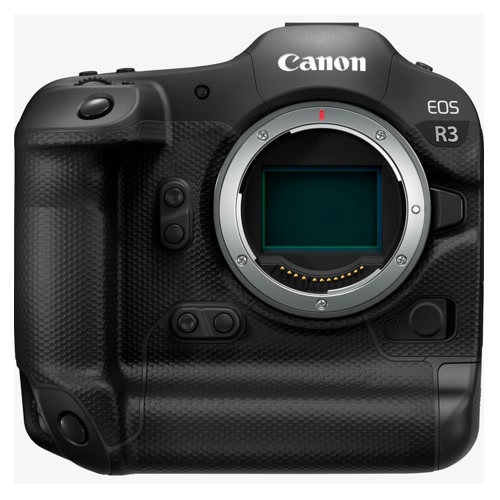
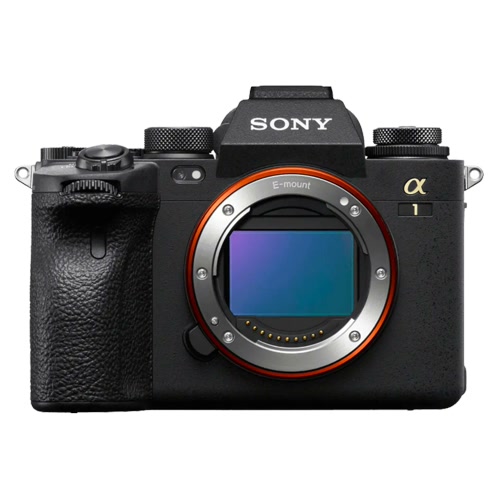
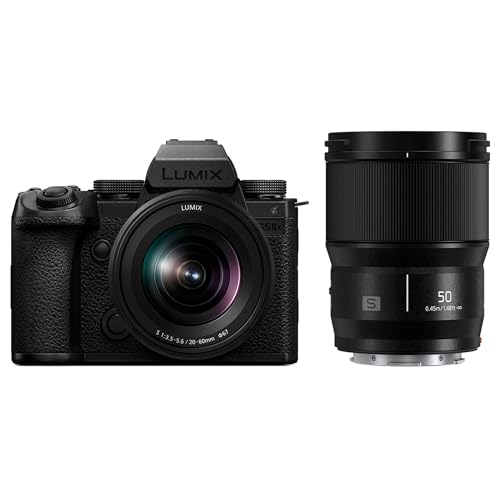
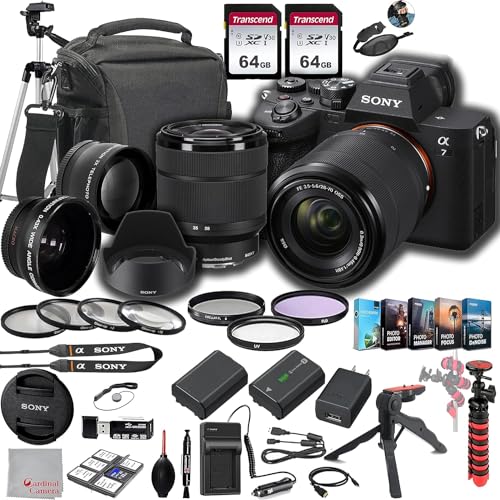
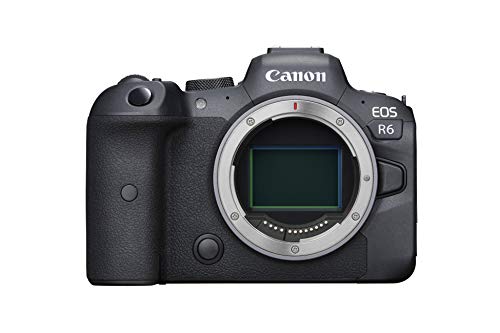
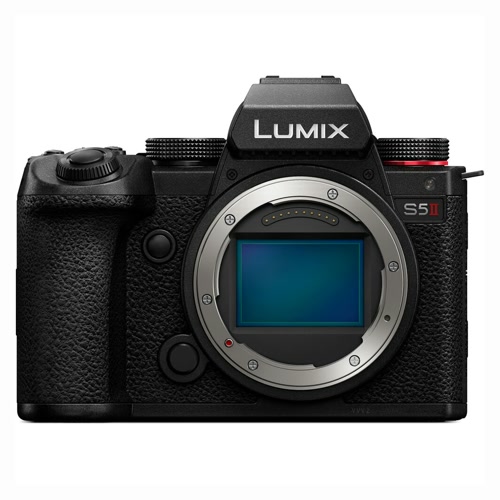
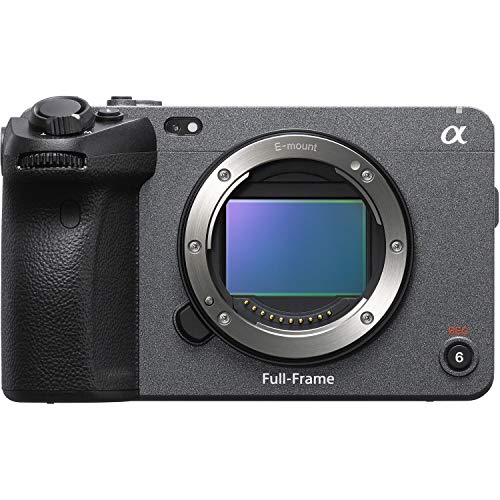
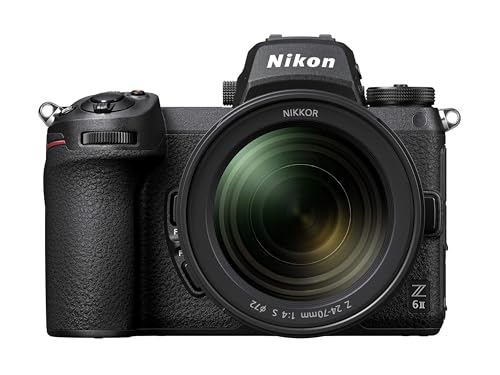
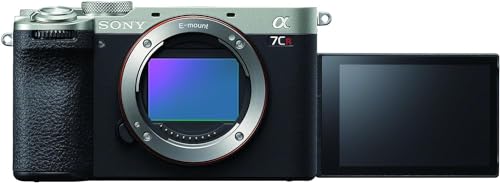
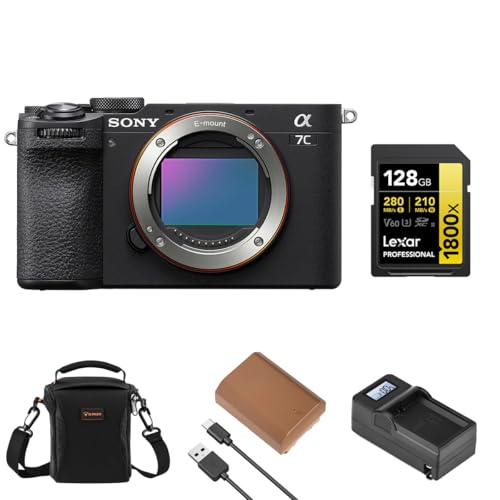
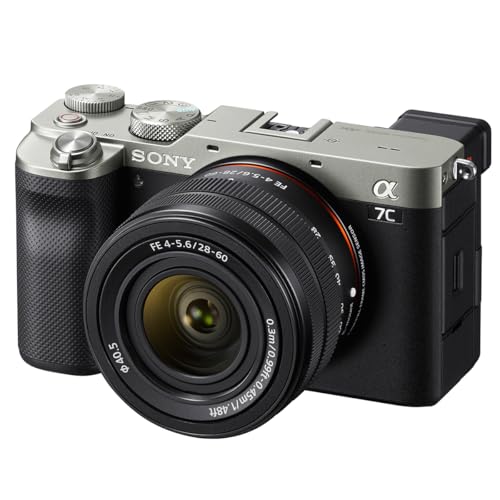
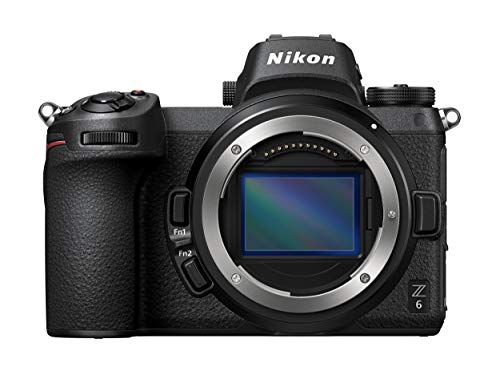
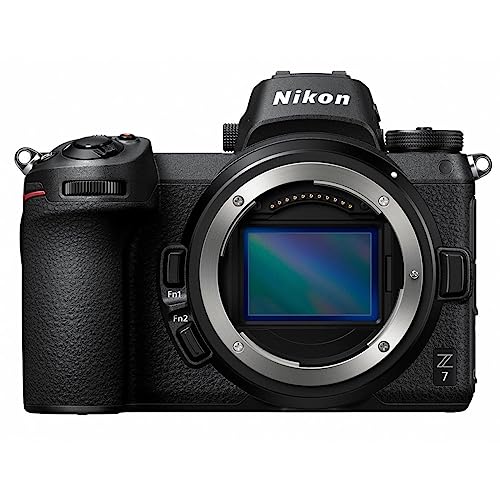
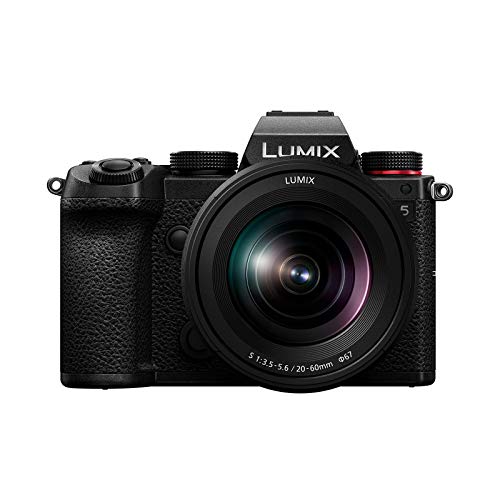
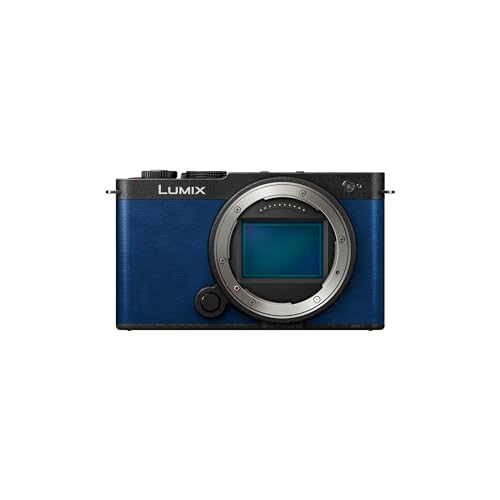
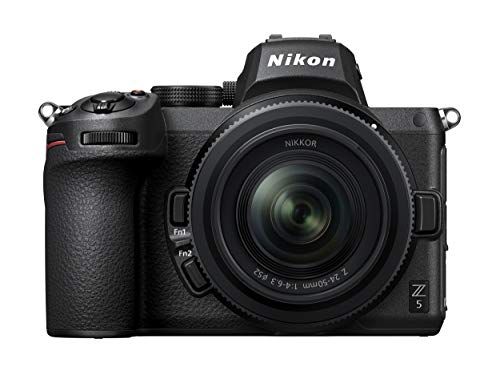
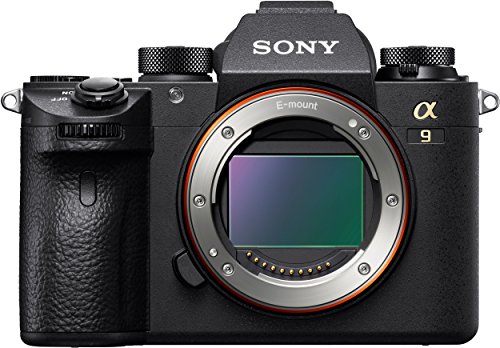
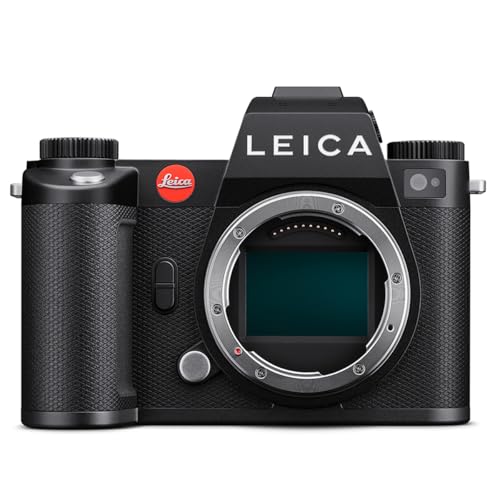
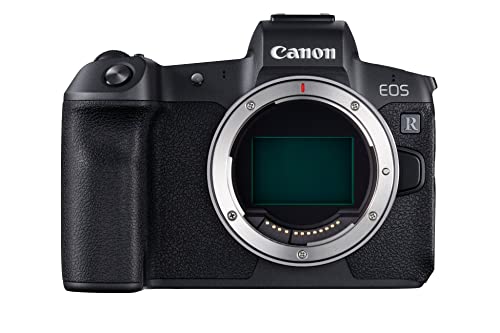
Las mejores marcas de cámaras mirrorless de formato completo se clasifican a continuación:
- Canon (Puntuación general media: 9)
- Nikon (Puntuación general media: 8.9)
- Sony (Puntuación general media: 8.8)
El gráfico siguiente compara las marcas de cámaras mirrorless de formato completo según su puntuación general media.
[horizontal-chart-00624379338180225538173831772725928380714275728125]
Una cámara mirrorless de formato completo combina un sensor de 36 × 24 mm con un visor electrónico y una montura de objetivos intercambiables, sin el espejo réflex presente en una DSLR. El sensor tiene una superficie unas 2,3 veces mayor que la de APS-C y aproximadamente cuatro veces mayor que la de Cuatro Tercios, lo que ofrece a la cámara más espacio para captar luz con la misma exposición.
El formato más grande facilita conseguir poca profundidad de campo con objetivos fijos como un 35 mm, un 50 mm o un 85 mm f/1.8. También permite que los objetivos gran angulares mantengan su campo de visión previsto y, por lo general, produce archivos más limpios a valores ISO altos, un rango dinámico más amplio y un procesado RAW más flexible que los formatos más pequeños de una generación similar.
La contrapartida está en el tamaño y el coste del sistema. Incluso un cuerpo de formato completo compacto puede necesitar grandes zooms f/2.8 o teleobjetivos largos, mientras que los sensores de alta resolución exigen objetivos más nítidos, tarjetas de memoria más rápidas y más almacenamiento. Este formato resulta especialmente valioso cuando esas ventajas de calidad de imagen justifican el equipo completo.
La calidad de imagen de las mejores cámaras mirrorless de formato completo es excelente, sobre todo con poca luz y en escenas de alto contraste. Sus sensores de 36 × 24 mm ofrecen un gran equilibrio entre rango dinámico, control del ruido, profundidad de color y control del desenfoque del fondo.
Las distintas resoluciones responden a prioridades diferentes. Los modelos de unos 12–24 MP favorecen la velocidad, el vídeo y los píxeles grandes, mientras que los cuerpos de 40–61 MP dan a los fotógrafos de paisaje, estudio, arquitectura y trabajos comerciales más libertad para recortar e imprimir. El tamaño de píxel puede ir aproximadamente de 3,76 a 8,45 µm, por lo que un sensor de menor resolución puede conservar texturas más limpias con valores ISO muy altos, aunque un modelo de mayor resolución registre más detalle con buena luz.
La calidad del objetivo sigue siendo decisiva. Un sensor de 61 MP revela con más claridad las esquinas débiles, el enfoque impreciso, la vibración del obturador y una velocidad de obturación insuficiente que un cuerpo de resolución moderada. El trabajo en alta resolución se beneficia de objetivos nativos nítidos, una técnica estable y un procesado RAW que controle el ruido sin borrar el detalle fino.
Los valores ISO estándar máximos suelen alcanzar al menos ISO 25.600, y algunos cuerpos llegan mucho más lejos. Esas cifras no ofrecen la misma calidad útil, por lo que conviene comparar las texturas reales, la conservación del color, el banding y el comportamiento del enfoque automático con poca luz, en lugar de elegir por el número ISO más alto.
En algunas configuraciones, las cámaras mirrorless de formato completo son más portátiles que las DSLR profesionales comparables, pero el conjunto completo de objetivos determina si la ventaja es realmente significativa.
Los cuerpos suelen pesar desde unos 420 g hasta más de 1,3 kg. Un cuerpo compacto de 500–700 g combinado con un pequeño objetivo fijo f/1.8 puede formar un excelente equipo de viaje o fotografía callejera, mientras que una empuñadura con batería, un zoom 24–70 mm f/2.8 o un teleobjetivo largo pueden elevar rápidamente el peso transportado por encima de 1,5–2 kg.
Compara la profundidad del cuerpo, el tamaño de la empuñadura, el cargador, las baterías de repuesto y los objetivos, no solo el cuerpo de la cámara. Sony E, Canon RF, Nikon Z y L-Mount ofrecen objetivos fijos pequeños, pero sus zooms y teleobjetivos más luminosos siguen siendo considerables porque deben cubrir todo el círculo de imagen de 36 × 24 mm.
Los cuerpos de cámaras mirrorless de formato completo suelen costar unos 1.000–7.500 €, con la oferta más amplia situada aproximadamente entre 1.200 € y 4.000 €.
Por unos 1.000–2.000 €, se pueden encontrar cuerpos de iniciación o para aficionados capaces, con buen enfoque automático, estabilización y vídeo 4K, aunque la velocidad de ráfaga, la resolución del visor, el sellado contra la intemperie o la compatibilidad con dos tarjetas pueden ser limitados. El rango de 2.000–4.000 € añade una lectura del sensor más rápida, mejor seguimiento de sujetos, mayor resolución, controles superiores y vídeo de 10 bits más avanzado.
Por encima de 4.000 €, normalmente se paga por velocidad de nivel profesional, sensores apilados, conectividad profesional, captura de alta resolución o grabación orientada al cine. Incluye los objetivos en el presupuesto del sistema: un zoom estándar luminoso o un teleobjetivo largo puede costar tanto como el cuerpo, y los sensores de alta resolución se benefician de ópticas de mayor calidad.
El siguiente gráfico muestra la distribución de precios de las cámaras mirrorless de formato completo.
[vertical-chart-10264218509133289014076683405178479494922458466158]
Antes de elegir una cámara mirrorless de formato completo, ten en cuenta los siguientes factores:
- Resolución y prioridad de captura: Los sensores de unos 20–33 MP equilibran el tamaño de archivo, la velocidad de ráfaga, el rendimiento con poca luz y el vídeo, mientras que los modelos de 40–61 MP ofrecen más margen de recorte y detalle para impresiones grandes. La alta resolución exige objetivos más nítidos, una técnica más estable, más almacenamiento y ordenadores más rápidos, así que no pagues por ella si esos archivos no son útiles para el trabajo previsto.
- Montura de objetivo y futuro del sistema: Sony E tiene un amplio catálogo de objetivos nativos y de terceros, Canon RF y Nikon Z destacan los diseños nativos modernos, y L-Mount conecta las opciones de Panasonic, Leica y Sigma. Comprueba los objetivos concretos, las aperturas, los pesos, el comportamiento del enfoque automático y los precios que necesitarás durante los próximos años, en lugar de comparar solo los cuerpos.
- Peso del cuerpo y del equipo completo: Los cuerpos mirrorless de formato completo pesan desde unos 420 g hasta más de 1,3 kg, y un objetivo 24–70 mm f/2.8 o un teleobjetivo puede pesar más que la cámara. Compara el equipo de trabajo completo, incluidos la batería de repuesto, la empuñadura, los filtros y el cargador, para determinar si el sistema resulta viable para viajar o trabajar durante jornadas largas.
- Enfoque automático, ráfaga y lectura del sensor: El reconocimiento de ojos, animales, vehículos y otros sujetos puede ser valioso, pero la consistencia del seguimiento importa más que una larga lista de funciones. Comprueba la velocidad de ráfaga con enfoque automático continuo, la profundidad del búfer RAW, el comportamiento del visor durante la ráfaga y la distorsión por rolling shutter, porque el modo más rápido anunciado puede reducir la profundidad de bits o la calidad de imagen.
- Estabilización y trabajo con poca luz: La estabilización integrada puede facilitar exposiciones a pulso de sujetos estáticos y ofrecer vídeo más estable; los sistemas potentes suelen anunciar alrededor de 5–8 pasos en condiciones de prueba. No puede congelar un sujeto en movimiento, por lo que la apertura del objetivo, la sensibilidad del enfoque automático y una calidad aceptable a valores ISO altos siguen determinando los resultados en eventos, fauna o fotografía nocturna.
- Formato de vídeo y límites térmicos: El 4K/24–30 fps es habitual, mientras que 4K/60, 6K sobremuestreado, 10 bits 4:2:2, ProRes o la grabación RAW distinguen a los cuerpos híbridos más avanzados. Verifica el recorte, el rolling shutter, el enfoque automático, las conexiones de micrófono y auriculares, la salida HDMI limpia, los límites de grabación, el comportamiento térmico y el tipo de tarjeta necesario para el modo de máxima calidad.
- Visor, controles y resistencia: Un EVF de 3,69 millones de puntos es una referencia útil para aficionados, mientras que 5,76 millones de puntos o más mejoran el enfoque manual y la inspección de detalles. Prueba la comodidad de la empuñadura, los dos diales, la posición del joystick, la articulación de la pantalla, el sellado contra la intemperie, la velocidad de los menús y si puedes cambiar ajustes importantes sin apartarte del visor.
- Batería, tarjetas y flujo de trabajo: La autonomía puede variar desde unas 240 hasta más de 1.000 fotos CIPA, pero el vídeo, la transferencia inalámbrica y la reproducción frecuente la reducen. Comprueba la alimentación por USB-C, el funcionamiento de las dos tarjetas, los requisitos UHS-II o CFexpress, el proceso de copia de seguridad y el coste de almacenar archivos RAW grandes o vídeo con una tasa de bits alta.