¿Qué marcas fabrican las mejores cámaras para fotografía deportiva?
Las mejores marcas de cámaras para fotografía deportiva se clasifican a continuación:
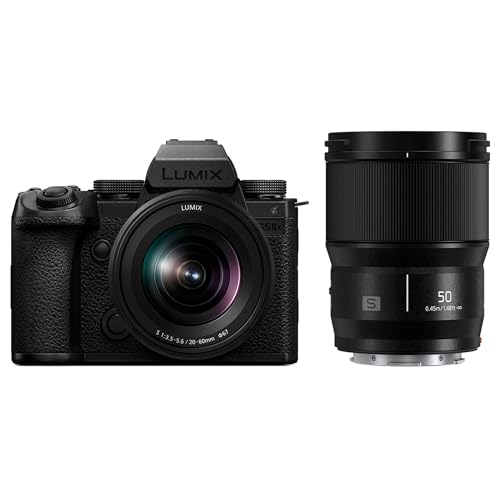
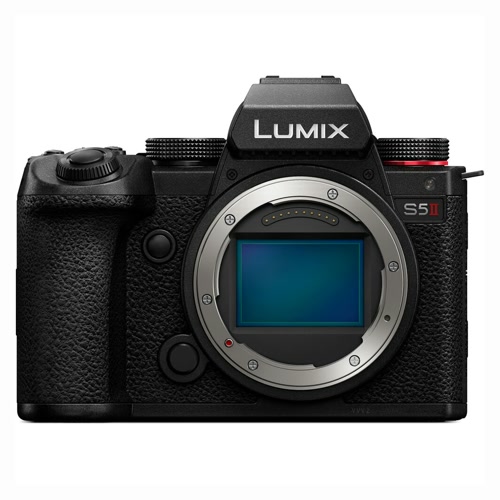
- Panasonic (Puntuación general media: 8.9)
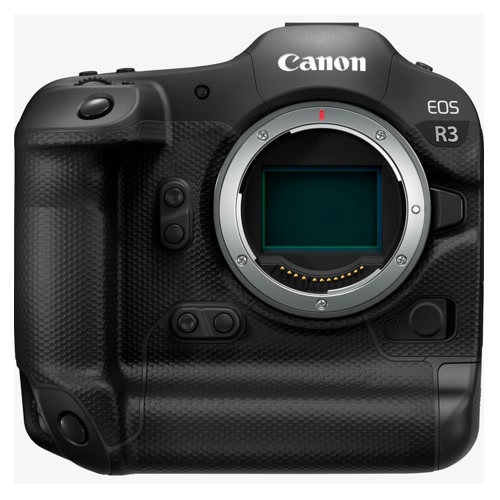
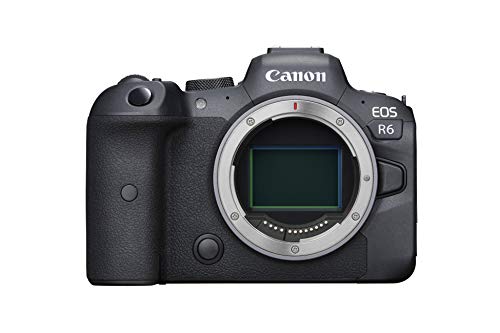
- Canon (Puntuación general media: 8.7)
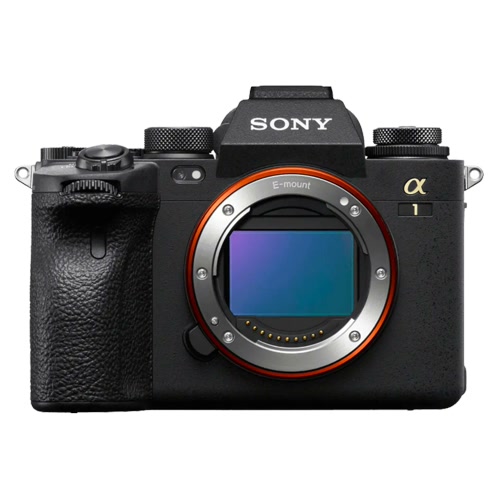
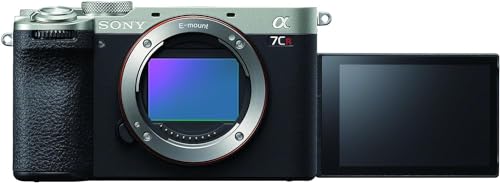
- Sony (Puntuación general media: 8.6)
El siguiente gráfico compara las marcas de cámaras para deportes según su puntuación general media.
[horizontal-chart-09558246951230016635056839133396737744043489184364]
¿Qué hace que una cámara sea adecuada para fotografía deportiva?
Una cámara es adecuada para fotografía deportiva cuando puede adquirir rápidamente un sujeto en movimiento, mantener el seguimiento por el encuadre y registrar una secuencia útil sin que el visor ni el búfer interrumpan al fotógrafo. Una ráfaga mecánica de unos 8–10 fps es un punto de partida práctico, pero la velocidad sostenida, las actualizaciones del autofoco entre fotogramas y una visión en directo clara importan más que una cifra máxima breve.
El cuerpo también debería proporcionar acceso directo a la velocidad de obturación, el área de autofoco, el modo de avance y la compensación de la exposición. Las tarjetas UHS-II SD o CFexpress rápidas reducen el tiempo de vaciado del búfer, mientras que dos ranuras pueden aportar una copia de seguridad o separar archivos RAW y JPEG durante trabajos remunerados. Para recintos cubiertos, la detección antiparpadeo y el control de bandas del obturador electrónico pueden ser decisivos bajo iluminación LED o de descarga.
Por último, evalúa el sistema completo de cámara y objetivo. Una empuñadura profunda puede equilibrar un objetivo 70–200 mm f/2.8 o 100–400 mm mejor que un cuerpo pequeño, y el sellado contra la intemperie resulta útil junto a campos mojados o pistas polvorientas. La autonomía, el refresco del visor y unos controles que puedan utilizarse con guantes suelen influir más en la tasa de aciertos que una diferencia moderada de resolución.
¿Qué importancia tiene el autofoco en una cámara para fotografía deportiva?
El autofoco es fundamental para la fotografía deportiva porque la cámara debe seguir sujetos que aceleran, cambian de dirección, se cruzan con otros jugadores o desaparecen brevemente detrás de obstáculos. Una amplia cobertura de detección de fase y un AF continuo fiable importan más que un número muy elevado de puntos de enfoque por sí solo.
Busca un reconocimiento de sujetos compatible con personas, rostros, ojos, cascos, vehículos o el deporte correspondiente, pero prueba cómo se comporta cuando se superponen varios sujetos. Un sistema útil permite ajustar la sensibilidad de seguimiento, el retardo de cambio de sujeto, el tamaño del área de autofoco y la prioridad entre enfoque y disparo. Los modos de zona o área expandida pueden ser más predecibles que la selección totalmente automática cuando se conoce al jugador que se desea seguir.
El objetivo forma parte del sistema de enfoque. Los motores lineales o de anillo modernos suelen seguir más rápido y de forma más silenciosa que los antiguos diseños accionados por tornillo o los motores paso a paso básicos, especialmente con elementos de teleobjetivo pesados. La apertura máxima también afecta a la luz que llega al sistema AF; un objetivo f/2.8 puede enfocar con mayor seguridad en un pabellón oscuro que un zoom f/6.3 con la misma velocidad de obturación.
El autofoco debe permanecer activo a la velocidad de ráfaga elegida y con el tipo de obturador previsto. Algunas cámaras reducen los cálculos de AF, bloquean la exposición o muestran una vista similar a una presentación de diapositivas en su ajuste más rápido, por lo que un modo ligeramente más lento con respuesta continua puede producir más fotogramas enfocados con nitidez.
¿Qué importancia tiene el disparo en ráfaga en las cámaras para fotografía deportiva?
El disparo en ráfaga es muy importante para el deporte porque la acción culminante suele durar solo una fracción de segundo. Alrededor de 8–10 fps son suficientes para muchos deportes de campo y pista, mientras que 12–15 fps ofrecen intervalos más cortos entre fotogramas para el contacto entre bate y pelota, entradas, saltos, carreras y expresiones que cambian rápidamente.
El búfer determina si esa velocidad se mantiene durante una secuencia completa. Comprueba el número de fotogramas RAW disponibles antes de la ralentización, el tiempo necesario para vaciar el búfer y si los menús o la reproducción siguen accesibles mientras se escriben los archivos. Diez fotogramas por segundo durante 100 imágenes RAW suelen ser más útiles que 20 fps durante un solo segundo breve seguido de una pausa larga.
Los obturadores electrónicos pueden ofrecer 20–40 fps o más, pero la distorsión de rolling shutter puede doblar bates, raquetas, ruedas o postes de portería. La iluminación artificial también puede producir bandas horizontales, salvo que la cámara ofrezca control antiparpadeo de alta frecuencia o una lectura del sensor suficientemente rápida. Utiliza el modo más rápido que conserve el autofoco, la continuidad del visor y una geometría limpia, en lugar de elegir solo por la velocidad.
El siguiente gráfico compara las velocidades de disparo continuo mecánico de las cámaras para fotografía deportiva.
[vertical-chart-00185949959084287913153618503081654790500613250415]
¿Qué calidad de imagen con poca luz ofrecen las cámaras para fotografía deportiva?
La calidad de imagen con poca luz de una buena cámara deportiva es suficiente para pabellones y partidos nocturnos, pero las rápidas velocidades de obturación necesarias para detener el movimiento exigen mucho del sensor y el objetivo. El baloncesto, el voleibol o el fútbol suelen requerir alrededor de 1/800–1/1600 s, mientras que una acción más rápida puede necesitar 1/2000 s o menos; con la iluminación del recinto, esto puede elevar la sensibilidad hasta ISO 3200–12800.
Las cámaras de fotograma completo suelen conservar un color más limpio, una textura más fina y mayor flexibilidad de edición con ISO alto, mientras que los cuerpos APS-C pueden colocar más píxeles sobre un sujeto lejano con un objetivo más pequeño y económico. Un archivo de 20–30 MP correctamente expuesto suele ser preferible a uno de mayor resolución que deba aclararse mucho, porque la subexposición intensifica el ruido de las sombras y las manchas de color.
Un objetivo luminoso cambia sustancialmente el resultado. Pasar de f/5.6 a f/2.8 deja entrar dos pasos más de luz, lo que permite usar ISO 3200 en lugar de ISO 12800 con la misma velocidad de obturación. La estabilización puede afirmar el encuadre y ayudar en ceremonias estáticas, pero no puede congelar a un corredor ni un balón; la velocidad de obturación, la apertura, la sensibilidad del autofoco y el control del parpadeo siguen siendo la combinación importante con poca luz.
¿Cuáles son los mejores objetivos para fotografía deportiva?
Las mejores opciones de objetivos para fotografía deportiva son las siguientes:
- Zoom 70–200 mm f/2.8: Es la opción profesional más versátil para pistas cubiertas, posiciones junto a la pista de hielo, atletismo, ceremonias y sujetos a una distancia moderada. Su apertura constante f/2.8 admite velocidades de obturación más rápidas y una mayor separación del fondo, pero el objetivo es relativamente pesado y puede quedarse corto desde gradas lejanas.
- Zoom 100–400 mm o 100–500 mm: Estos objetivos son adecuados para fútbol con luz diurna, deportes de motor, pruebas de campo, surf y acciones que se desplazan por un área amplia. Las aperturas variables de alrededor de f/4.5–5.6 o f/5–7.1 mantienen un tamaño manejable, aunque el uso nocturno exige un ISO superior al de un objetivo fijo f/2.8 o f/4.
- Objetivo fijo 300 mm f/2.8 o 400 mm f/2.8: Los objetivos fijos de gran apertura proporcionan autofoco rápido, una visión luminosa, un fuerte aislamiento del sujeto y la captación de luz necesaria para el deporte nocturno profesional. Son extremadamente caros y pesados, y normalmente requieren un monopié y una posición de disparo fija.
- Objetivo fijo de clase 300 mm f/4, 400 mm f/4.5 o 500 mm f/5.6: Estos objetivos fijos más lentos ofrecen gran alcance y nitidez con menos peso que los diseños f/2.8. Funcionan especialmente bien en exteriores, pero su distancia focal fija exige experiencia cuando los sujetos se acercan rápidamente a la cámara.
- Zoom 24–70 mm f/2.8 o 24–105 mm: Un zoom estándar resulta útil cerca del banquillo, la línea de meta, el podio, los boxes o el vestuario, donde un teleobjetivo encuadra demasiado cerrado. El extremo más amplio también capta a los atletas dentro del recinto y cuenta mejor la historia del evento.
- Objetivo fijo luminoso de 85 mm, 105 mm o 135 mm: Los teleobjetivos cortos luminosos pueden ser excelentes para baloncesto, gimnasia, boxeo, danza y deporte escolar con poca luz cuando el acceso es cercano. Son menos flexibles que un zoom, así que confirma la distancia de trabajo y las restricciones de encuadre antes de depender de un solo objetivo.
- Teleconvertidores: Un convertidor 1.4× añade un 40 % de alcance y pierde un paso de luz, mientras que uno 2× duplica la distancia focal y pierde dos pasos. Confirma la compatibilidad del autofoco y la calidad de imagen con el objetivo exacto, porque algunas combinaciones reducen la velocidad de seguimiento o las áreas de enfoque disponibles.
¿Cuánto importan el tamaño y el peso en las cámaras para fotografía deportiva?
El tamaño y el peso importan principalmente porque una cámara deportiva debe permanecer estable y responder bien con un objetivo grande durante todo el evento. Un cuerpo de unos 500–800 g suele equilibrar bien un zoom de 70–200 mm o 100–400 mm, mientras que un cuerpo muy pequeño puede quedar pesado por delante e incómodo, aunque parezca más fácil de transportar.
El objetivo suele dominar la carga. Un 70–200 mm f/2.8 suele pesar alrededor de 1–1.5 kg y un 400 mm f/2.8 puede superar los 3 kg antes de añadir el cuerpo, el monopié, las baterías de repuesto y una segunda cámara. Una empuñadura vertical integrada mejora el manejo en orientación vertical y la capacidad de la batería, pero aumenta el volumen; una empuñadura opcional ofrece más flexibilidad.
Para líneas laterales largas o circuitos de motor, un zoom 100–400 mm más ligero y un cuerpo compacto pueden producir una cobertura más aprovechable que un objetivo fijo pesado que desanime a moverse. Para posiciones profesionales fijas, la estabilidad, los controles, la refrigeración y la autonomía de un cuerpo más grande pueden merecer la pena. Evalúa el equipo de trabajo completo, incluida la rapidez con la que puede levantarse, girarse y transportarse entre posiciones.
¿Cuánto cuestan las cámaras para fotografía deportiva?
Las cámaras nuevas adecuadas para fotografía deportiva suelen costar alrededor de 700–6.500 € solo por el cuerpo, aunque los modelos antiguos de entrada y para aficionados pueden caer por debajo de ese intervalo. Por unos 700–1.500 €, los compradores pueden encontrar cuerpos APS-C y algunos de fotograma completo que ofrecen aproximadamente 8–15 fps con obturador mecánico, autofoco de detección de fase, captura RAW y suficiente control para deporte escolar, aficionado y con luz diurna.
Entre unos 1.500 € y 3.000 €, suelen mejorar el seguimiento del autofoco, la profundidad del búfer, el refresco del visor, el sellado contra la intemperie, las interfaces de las tarjetas y el rendimiento con ISO alto. A menudo es el intervalo con mejor relación calidad-precio para un uso serio porque el cuerpo puede afrontar acción rápida sin el coste extremo de un modelo insignia.
Los cuerpos profesionales para deportes cuestan alrededor de 3.000–6.500 € y añaden sensores de lectura más rápida, disparo electrónico a 20–40 fps, búferes profundos, menos interrupciones del visor, obturadores resistentes y dos tarjetas de alta velocidad. Los objetivos suelen dominar el presupuesto: los zooms 70–200 mm f/2.8 y 100–400 mm abarcan aproximadamente 800–3.000 €, mientras que los objetivos fijos luminosos de 300 mm o 400 mm pueden superar 6.000–14.000 €. Un cuerpo equilibrado de gama media con el alcance adecuado suele ser más eficaz que un modelo insignia con un objetivo inadecuado.
El siguiente gráfico muestra la distribución de precios de las cámaras para fotografía deportiva.
[vertical-chart-07209501390796928348103845610843107486084019304811]