¿Son buenas las cámaras Sony para videoblogs?
Las cámaras Sony son muy buenas para videoblogs porque el seguimiento de rostros y ojos, las pantallas de apertura lateral y los cuerpos compactos facilitan la grabación en solitario. Los modelos ZV-1 de objetivo fijo ofrecen micrófonos direccionales y controles para creadores; los cuerpos ZV-E10 añaden objetivos APS-C con montura E; y ZV-E1 pasa al formato completo. a6700, FX30, Alpha 7C II, Alpha 7S III y FX3 sacrifican sencillez por mejor estabilización, refrigeración, controles o conexiones profesionales. El autofoco continuo puede mantener nítido a un presentador en movimiento y cambiar a un objeto sostenido cerca del objetivo.
Un buen autofoco no resuelve todos los problemas de los videoblogs. Comprueba si el objetivo sigue siendo lo bastante angular tras los recortes por 4K y estabilización electrónica, si el cuerpo tiene estabilización óptica o integrada, cuánto tiempo graba antes de que el calor sea un límite y si los puertos de micrófono y auriculares siguen accesibles con la pantalla orientada hacia delante. Algunos cuerpos Sony de gama alta de esta guía de pantallas abatibles son excelentes cámaras de vídeo, pero resultan innecesariamente caros o pesados para videoblogs cotidianos mientras se camina y habla.
¿Qué cámaras Sony son mejores para videoblogs?
Las opciones de cámaras Sony más sólidas para videoblogs son las siguientes:
- ZV-1F: Es la opción de objetivo fijo más sencilla y utiliza un objetivo ultraangular equivalente a unos 20 mm que encuadra cómodamente a una persona a la distancia del brazo. Es compacta y sencilla, pero la focal fija, el autofoco por detección de contraste y la flexibilidad óptica limitada la hacen más adecuada para clips sencillos hablando a cámara o de viaje que para acción rápida.
- ZV-1 y ZV-1 II: La ZV-1 original combina un sensor de tipo 1 pulgada con un zoom luminoso equivalente a 24–70 mm, mientras que ZV-1 II amplía el intervalo hasta unos 18–50 mm equivalentes para facilitar el encuadre a mano. Ambas ofrecen controles para creadores y objetivos integrados, pero el primer modelo es más luminoso en el extremo largo y el segundo más práctico para grabaciones angulares mientras se camina y habla.
- ZV-E10 y ZV-E10 II: Estas cámaras APS-C con montura E permiten cambiar objetivos y proporcionan mayor separación del fondo y flexibilidad de actualización que la familia ZV-1 de objetivo fijo. La generación más reciente mejora formatos de vídeo, autonomía, menús y comportamiento del autofoco, pero no se debe presuponer que ninguno de los dos cuerpos ofrezca estabilización integrada; el objetivo elegido y el recorte electrónico afectan mucho a los resultados a mano.
- ZV-E1: ZV-E1 coloca un sensor de formato completo y herramientas avanzadas de encuadre del sujeto en un cuerpo muy pequeño orientado a creadores. Sobresale con poca luz y puede producir vídeo estabilizado de formato completo muy sólido, pero su construcción compacta, diseño de una sola tarjeta, gestión del calor y elevado precio la hacen menos adecuada para largas grabaciones sin supervisión o una exigente redundancia profesional.
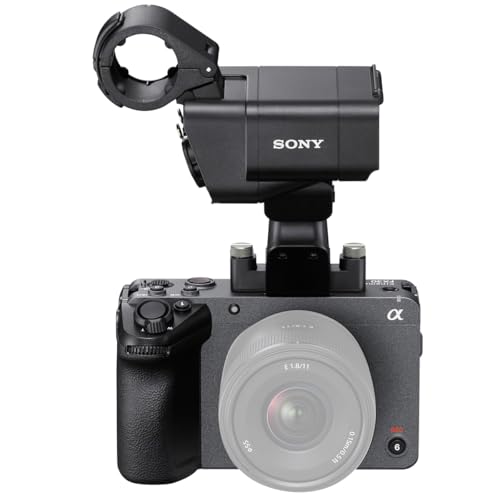
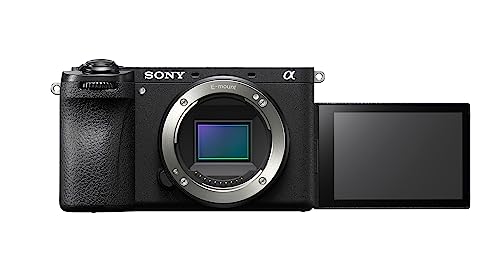
- a6700 y FX30: Ambas usan sensores APS-C y objetivos con montura E; a6700 es la híbrida de foto y vídeo más sólida con visor, mientras que FX30 añade controles Cinema Line, refrigeración activa, puntos de montaje y manejo orientado a la producción. Sirven para creadores que necesitan flujos de trabajo de 10 bits, objetivos intercambiables y más margen de crecimiento que un cuerpo ZV, aunque el equipo completo es más grande y caro.
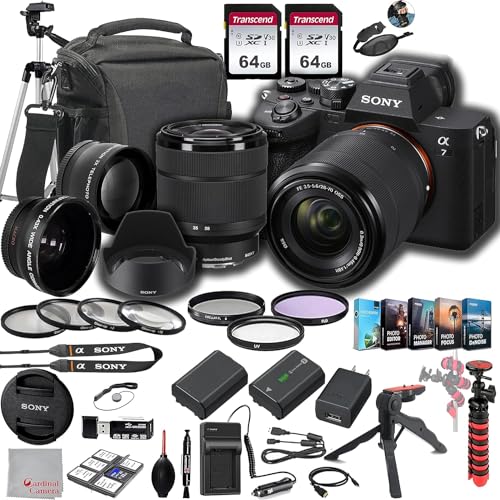
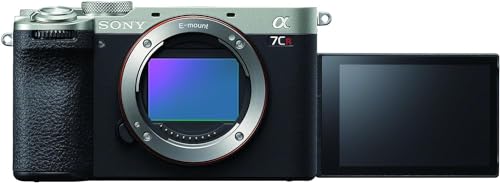
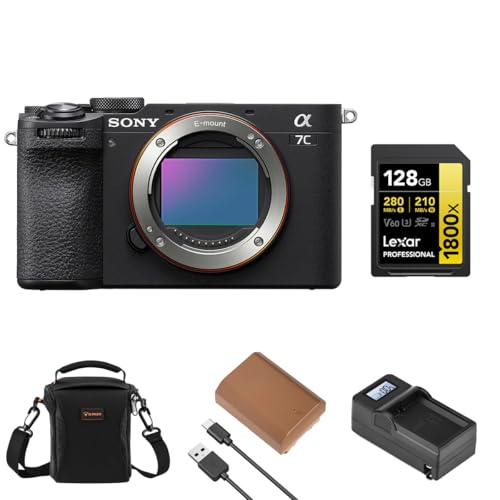
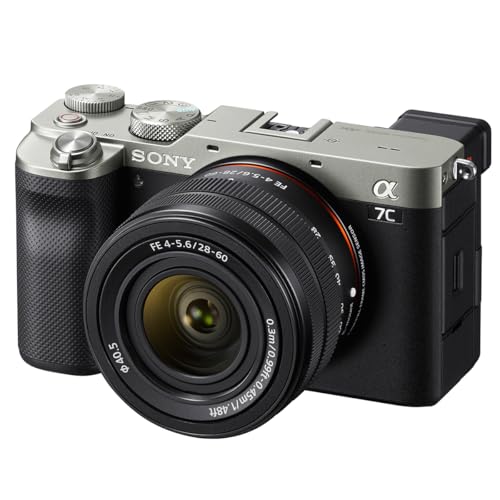
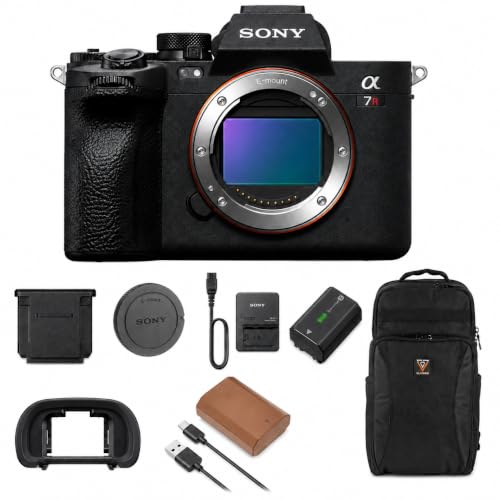
- Alpha 7C II y Alpha 7 IV: Estas híbridas de formato completo combinan buena fotografía con autofoco sólido y pantallas totalmente articuladas, por lo que son útiles para creadores que también fotografían retratos, eventos o viajes. Proporcionan controles más convencionales que los modelos ZV, pero los objetivos angulares de formato completo adecuados y los equipos estabilizados para caminar y hablar pueden volverse más pesados y costosos.
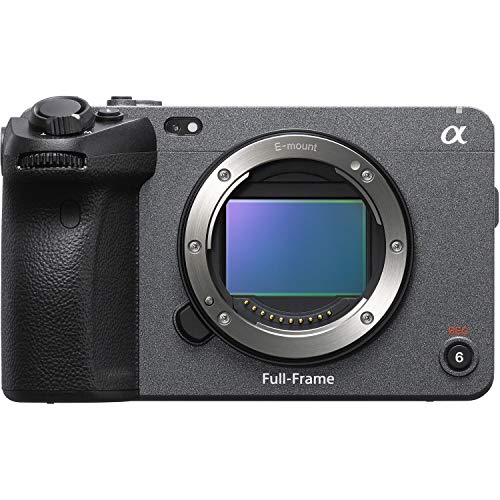
- Alpha 7S III y FX3: Son opciones de vídeo de formato completo de gama alta con lectura rápida, gran rendimiento con poca luz, 4K a alta frecuencia de fotogramas, códecs de 10 bits y opciones profesionales de audio o montaje. Alpha 7S III conserva un visor electrónico para uso híbrido, mientras que FX3 refrigerada por ventilador está diseñada para la producción de vídeo; ambas son excesivas para videoblogs básicos en redes sociales salvo que se necesiten de verdad su fiabilidad de grabación y funciones de flujo de trabajo.
¿Cuánto cuestan las cámaras Sony para videoblogs?
Las cámaras Sony nuevas actuales adecuadas para videoblogs suelen costar aproximadamente 500–3.600 € antes de objetivos y accesorios. La mayoría de los principiantes y creadores independientes puede encontrar un equipo capaz entre 500 € y 1.200 €, mientras que los cuerpos de formato completo y orientados a la producción ocupan niveles superiores.
Las cámaras ZV de objetivo fijo cuestan aproximadamente 500–1.000 €. ZV-1F es la opción actual menos cara, la ZV-1 original añade zoom luminoso y autofoco más sólido, y ZV-1 II cuesta más por su objetivo más angular y funciones actualizadas para creadores. Como el objetivo está integrado, los principales extras son empuñadura, batería de repuesto, tarjeta SD de alta velocidad, protección contra el viento o micrófono externo.
Las opciones APS-C de objetivos intercambiables abarcan aproximadamente 550–1.900 €. Los modelos ZV-E10 son la entrada asequible, a6700 añade estabilización integrada y mejores controles híbridos, y FX30 cuesta más por refrigeración activa y funcionamiento Cinema Line. Calcula unos 300–600 € para un objetivo suficientemente angular si el zoom del kit queda demasiado cerrado después de los recortes por 4K o estabilización. ZV-E1 de formato completo y los cuerpos Alpha 7C/7 suelen costar 2.000–3.600 €, mientras que Alpha 7S III y FX3 se dirigen a producciones exigentes. Gastar 4.500–7.500 € en Alpha 7R, Alpha 9 o Alpha 1 solo para videoblogs cotidianos rara vez ofrece una buena relación calidad-precio.
¿Tienen buen autofoco y pantallas abatibles las cámaras Sony para videoblogs?
Sí: las cámaras Sony actuales para videoblogs suelen combinar un excelente autofoco continuo con pantallas frontales de apertura lateral. Los modelos ZV, Alpha y FX recientes pueden detectar y seguir el rostro o los ojos de un presentador mientras la cámara funciona sin atención, y los modos de presentación de productos de los cuerpos ZV pueden cambiar deliberadamente el enfoque del presentador a un objeto sostenido cerca del objetivo.
La calidad del autofoco aún varía según generación y sensor. ZV-1, ZV-E10, a6700, ZV-E1, Alpha 7C II y modelos más recientes proporcionan un seguimiento mucho más sólido que los antiguos cuerpos SLT o primeros Alpha que simplemente cumplen el filtro de pantalla abatible. Comprueba si el AF al ojo, la detección de animales o aves, el seguimiento táctil y el reconocimiento de sujetos funcionan a la frecuencia de fotogramas prevista; los modos de grabación de alta velocidad o con recorte quizá no ofrezcan todas las opciones de autofoco.
La pantalla de ángulo variable resulta útil para componer, ver avisos de exposición y comprobar que ha comenzado la grabación, pero no garantiza buena visibilidad en exteriores ni un equipo sin obstáculos. Un cable o micrófono puede interferir con la rotación de la pantalla en algunas configuraciones, y una pantalla pequeña dificulta evaluar el enfoque crítico bajo un sol intenso. Confirma también que la estabilización electrónica no recorte demasiado el campo de visión y que el objetivo elegido siga siendo lo bastante angular al utilizar la pantalla para grabar a la distancia del brazo.
¿Qué debes tener en cuenta al elegir la mejor cámara Sony para videoblogs?
Ten en cuenta los siguientes puntos al elegir una cámara Sony para videoblogs:
- Empieza por el objetivo y el campo de visión: ZV-1F utiliza un objetivo fijo equivalente a unos 20 mm, ZV-1 II comienza cerca de 18 mm equivalentes y la ZV-1 original cerca de 24 mm equivalentes. En los cuerpos APS-C ZV-E10, a6700 y FX30, multiplica la distancia focal del objetivo por 1,5 para obtener la vista equivalente de formato completo y después considera cualquier recorte adicional por estabilización electrónica o alta frecuencia de fotogramas.
- Elige objetivo fijo, APS-C o formato completo: Las ZV-1 de objetivo fijo son los equipos completos más pequeños; los cuerpos APS-C ZV-E y Alpha equilibran coste, elección de objetivos y calidad de imagen; los cuerpos de formato completo ZV-E1, Alpha 7S o FX3 mejoran la flexibilidad con poca luz y la separación del fondo. Los sistemas de objetivos intercambiables ofrecen una vía de actualización, pero añaden coste de objetivos, exposición del sensor al polvo y más decisiones sobre tamaño y estabilización.
- Verifica la estabilización para grabar al caminar: La estabilización óptica del objetivo y la integrada en el cuerpo ayudan, pero ninguna produce automáticamente un movimiento suave como un gimbal. Los modelos ZV-E10 carecen de estabilización por desplazamiento del sensor, los modos electrónicos Active recortan la imagen e incluso los cuerpos estabilizados de formato completo pueden mostrar estiramiento de las esquinas u oscilación por rolling shutter con objetivos ultraangulares.
- Examina el modo de grabación exacto: Comprueba la frecuencia de fotogramas 4K, el recorte, sobremuestreo, profundidad de bits, muestreo de croma, códec, duración de grabación y comportamiento térmico en vez de aceptar una etiqueta 4K genérica. ZV-E10 II, a6700, FX30, ZV-E1, Alpha 7S III y FX3 ofrecen opciones avanzadas de 10 bits frente a modelos más antiguos o sencillos, pero los modos de alta tasa de bits pueden exigir tarjetas SD V90 o CFexpress Type A.
- Prueba el autofoco para el estilo de contenido: El seguimiento de rostro y ojos es ideal para presentaciones en solitario, mientras que el modo de presentación de productos sirve para reseñas y tutoriales que colocan objetos cerca del objetivo. Confirma la velocidad de transición, seguimiento táctil, reconocimiento del sujeto y comportamiento con poca luz a la resolución y frecuencia de fotogramas previstas, especialmente para movimiento, mascotas, demostraciones o escenas con varias personas.
- Planifica la cadena de audio: Un micrófono direccional integrado y paravientos pueden bastar para voz cercana, pero los lugares exteriores o reverberantes suelen necesitar un lavalier inalámbrico o micrófono de cañón externo. Comprueba la entrada de micrófono, monitorización mediante auriculares, compatibilidad Multi Interface Shoe, niveles de entrada, posición del cable y si el accesorio elegido bloquea la pantalla o los controles superiores.
- Comprueba pantalla, calor y alimentación durante una toma real: Confirma que la pantalla de apertura lateral siga visible con cables HDMI, USB y audio conectados y que el brillo sea suficiente en exteriores. Prueba la duración de clip deseada con alimentación USB o la batería prevista, porque los pequeños cuerpos ZV pueden tener menos autonomía y capacidad de disipación de calor que las cámaras FX refrigeradas por ventilador.
- Presupuesta el equipo completo del creador: Añade cuando sea necesario un objetivo suficientemente angular, baterías de repuesto, cargador, tarjetas rápidas, empuñadura o minitrípode, protección contra el viento, micrófono, iluminación y quizá una jaula o monitor externo. Un cuerpo más barato con el objetivo correcto y audio limpio suele producir un videoblog mejor que un cuerpo insignia combinado con un objetivo demasiado cerrado y un micrófono integrado sin tratar.