¿Son buenas las cámaras mirrorless Sony?
Las cámaras mirrorless Sony están entre las mejores opciones por enfoque automático, variedad de sensores y selección de objetivos. E-mount abarca APS-C compactas, formato completo generalista, alta resolución, cuerpos orientados a vídeo y profesionales con sensor apilado, con numerosos objetivos Sony y de terceros.
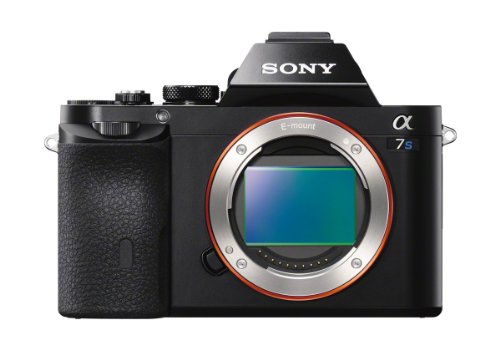
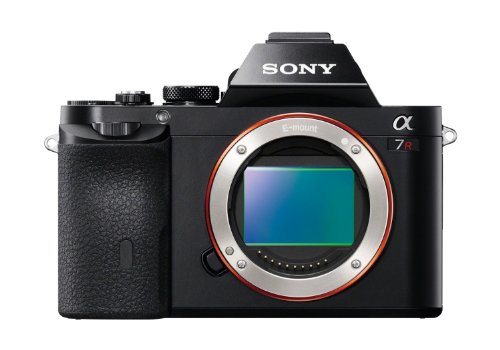
Los modelos recientes siguen personas, animales, aves y vehículos con poca gestión de puntos de enfoque. Alpha 7R prioriza resolución, Alpha 7S y ZV-E/FX vídeo, Alpha 9 velocidad y Alpha 1 resolución y lectura rápida. Los cuerpos antiguos tienen menús y enfoque más débiles, algunos compactos omiten estabilización y los sensores no apilados pueden mostrar rolling shutter, así que comprueba generación exacta, recorte de vídeo, requisitos de tarjeta y manejo.
¿Cuáles son las principales series de cámaras mirrorless Sony?
Las principales series y modelos de cámaras mirrorless Sony son los siguientes:
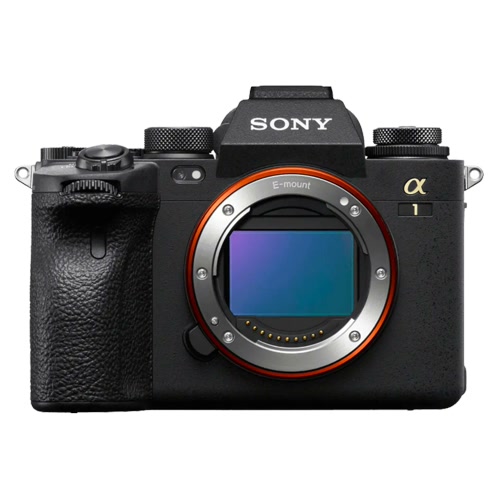
- Serie Alpha 1: Los cuerpos Alpha 1 son las emblemáticas profesionales todoterreno de Sony, combinando sensores de formato completo de alta resolución con velocidad de sensor apilado, seguimiento avanzado y exigentes modos de fotografía/vídeo. Son adecuados para fotógrafos que necesitan un solo cuerpo para grandes deportes, fauna, noticias y trabajo híbrido de alta gama, pero su precio y requisitos de tarjetas rápidas son excesivos para la mayoría de aficionados.
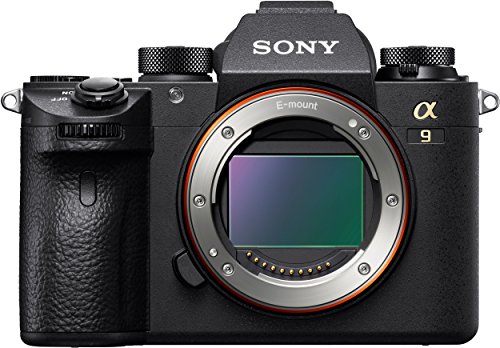
- Serie Alpha 9: Las Alpha 9 priorizan acción profesional, prensa y eventos, usando sensores apilados o de obturador global para reducir blackout y distorsión electrónica. La Alpha 9 III se centra en velocidad extrema y control de distorsión, mientras generaciones anteriores siguen siendo capaces, pero difieren en reconocimiento de sujetos, menús, red y vídeo.
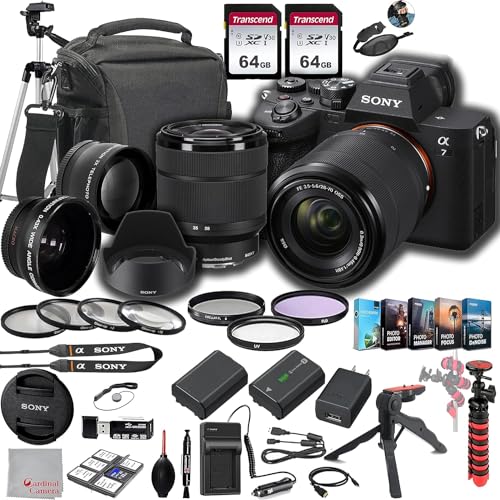
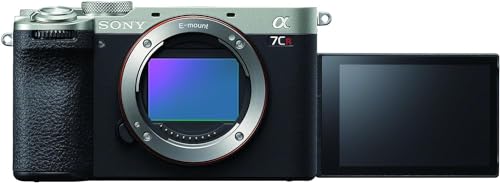
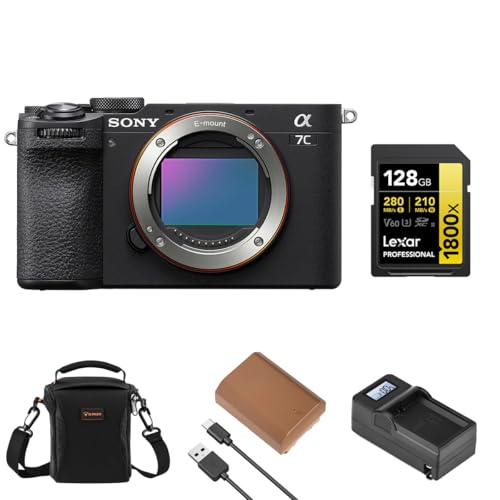
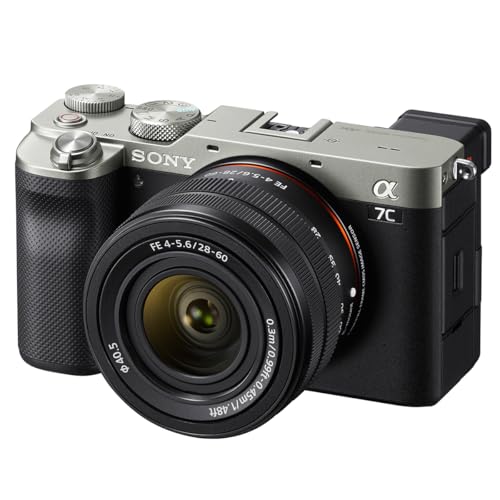
- Series Alpha 7 y Alpha 7C: Las Alpha 7 estándar son las híbridas full frame generalistas de Sony y equilibran resolución, enfoque, ráfaga y vídeo; las Alpha 7C empaquetan ideas similares en cuerpos más pequeños de estilo telemétrico. El diseño compacto es útil para viajar y gimbals, pero deben compararse visor, empuñadura, tarjetas, pantalla y controles con el cuerpo Alpha 7 mayor.
- Series Alpha 7R y Alpha 7CR: Estas cámaras priorizan alta resolución para paisajes, estudio, arquitectura, reproducción y recorte intenso. Ofrecen excelente detalle con objetivos y técnica adecuados, pero archivos grandes, lectura más lenta que cuerpos apilados de acción y mayores exigencias de almacenamiento u ordenador las hacen menos eficientes cuando la velocidad importa más que los píxeles.
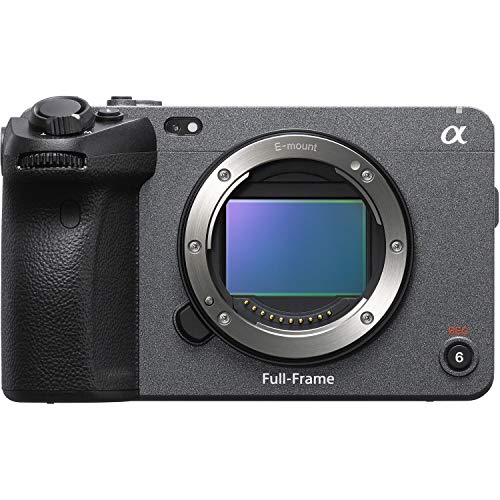
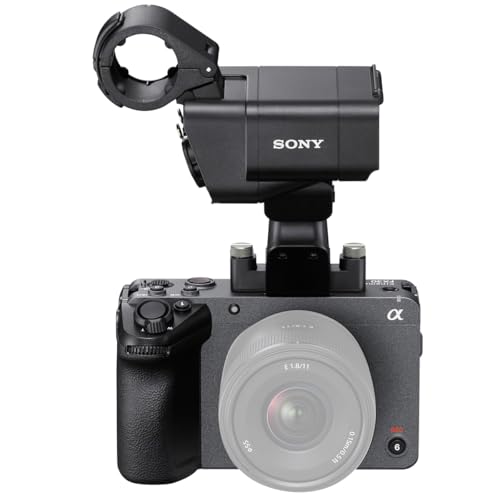
- Familias de vídeo Alpha 7S, FX y ZV-E: Las Alpha 7S usan sensores full frame de menor resolución optimizados para sensibilidad y lectura de vídeo, FX3 y FX30 añaden manejo y refrigeración Cinema Line, y ZV-E simplifica autorregistro y flujos para creadores. Estos cuerpos difieren mucho en formato, visor, estabilización, refrigeración, conectores, códecs y controles fotográficos, así que la etiqueta de vídeo no basta para elegir.
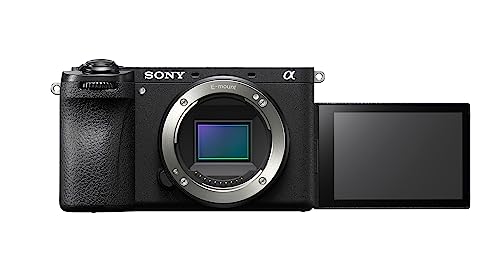
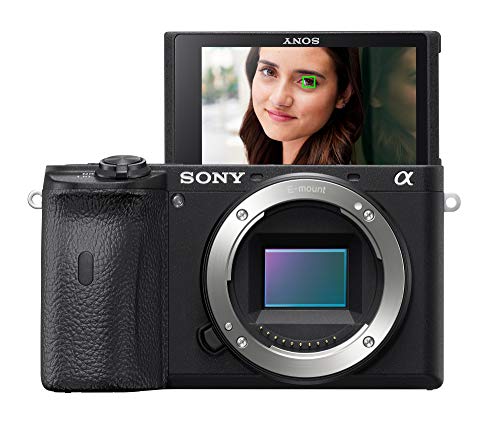
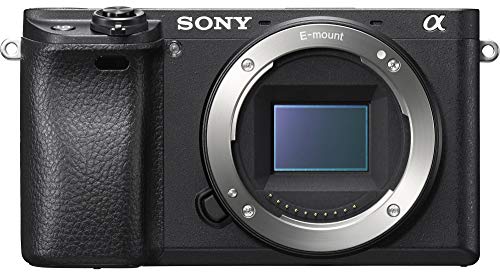
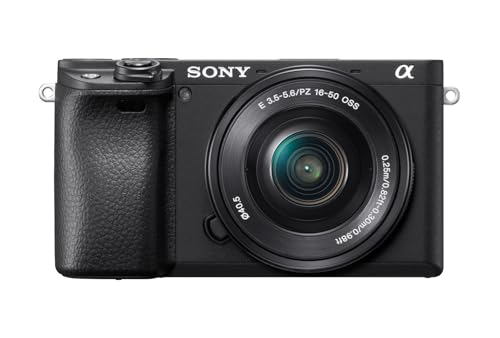
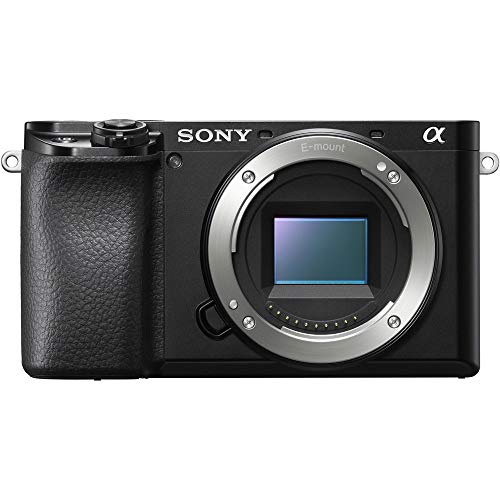
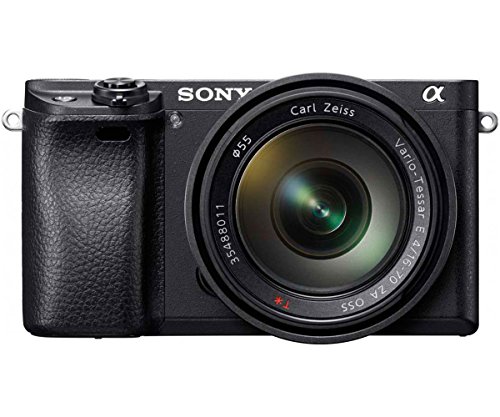
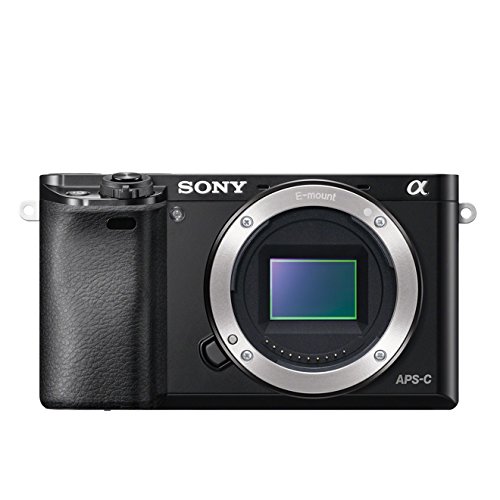
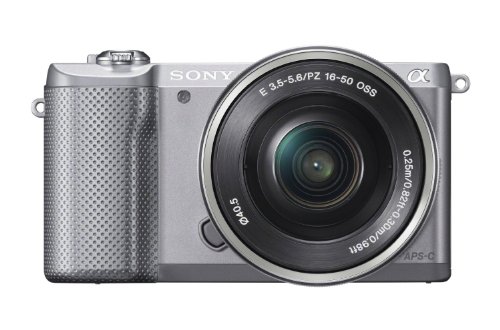
- Serie Alpha 6000: Los modelos desde a6100 y a6400 hasta a6600 estabilizada y la reciente a6700 usan sensores APS-C en cuerpos E compactos. Son potentes para viajes, familia, alcance de fauna y trabajo híbrido asequible, aunque generaciones antiguas tienen menús desfasados y algunos modelos carecen de estabilización integrada o vídeo moderno de 10 bits.
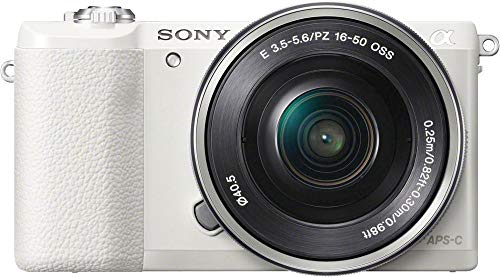
- NEX y primeros modelos E-mount: NEX-3, NEX-5, NEX-6, NEX-7, a3000, a5000 y a5100 fundaron el sistema mirrorless APS-C compacto de Sony antes de que la denominación Alpha fuera coherente. Siguen siendo importantes históricamente y usan objetivos E actuales, pero autofocus, baterías, menús y vídeo antiguos y soporte de firmware limitado los convierten en malas referencias para el rendimiento nuevo actual.
¿Cuánto cuestan las cámaras mirrorless Sony?
Las mirrorless Sony nuevas suelen costar 550–7.500 € por cuerpo o kit básico, aunque la mayoría de compradores APS-C y formato completo convencional gastan unos 650–3.000 €. Objetivos y accesorios de vídeo pueden afectar al total tanto como el cuerpo.
Los cuerpos APS-C suelen costar 550–1.200 €. ZV-E10 prioriza vídeo para creadores, a6100/a6400 añaden visor y mejor manejo fotográfico, y a6700 añade estabilización, autofocus más reciente y vídeo de 10 bits.
Los cuerpos full frame convencionales cuestan unos 1.200–3.000 €, mientras Alpha 7R, Alpha 7S/FX, Alpha 9 y Alpha 1 especializados abarcan aproximadamente 3.500–7.500 € según resolución, vídeo o velocidad del sensor. Los objetivos fijos compactos parten de cientos de euros, los zooms GM profesionales suelen superar 2.000 € y los modos exigentes pueden requerir CFexpress Type A.
¿Cómo se comparan las cámaras mirrorless Sony con los modelos mirrorless Canon?
Las cámaras mirrorless Sony suelen ofrecer la selección más amplia de objetivos nativos y más variantes compactas de formato completo, mientras que Canon suele ser más sencilla para enfoque automático táctil, pantallas totalmente articuladas y objetivos EF adaptados. La calidad de imagen es comparable cuando coinciden el formato y la generación del sensor.
La montura E de Sony tiene numerosos objetivos propios y de terceros, y su gama Alpha abarca cuerpos para creadores, alta resolución, vídeo con poca luz y alta velocidad. La línea EOS R de Canon responde con enfoque Dual Pixel intuitivo y potentes opciones híbridas; compara productos de la clase a6700 con R7/R10, Alpha 7/7C con niveles R8/R6 y Alpha 1/9 con los cuerpos profesionales Canon más rápidos.
Los cuerpos o kits mirrorless Sony cuestan aproximadamente 550–7.500 €, mientras que Canon abarca unos 400–7.500 €. La mayoría de compradores APS-C y formato completo convencional busca entre 650 € y 3.000 €, donde el sistema ganador suele ser el que ofrece el objetivo nativo o adaptado correcto al mejor precio de equipo completo.
¿Qué debes tener en cuenta al elegir la mejor cámara mirrorless Sony?
Ten en cuenta los siguientes puntos al elegir una cámara mirrorless Sony:
- Elige APS-C o formato completo deliberadamente: Alpha 6000, ZV-E10 y FX30 usan APS-C, mientras Alpha 7, 7C, 7R, 7S, 9, 1, ZV-E1 y FX3 usan formato completo. APS-C reduce coste y ofrece recorte de campo 1,5×; formato completo mejora normalmente flexibilidad con poca luz y control de reducida profundidad de campo con encuadre y apertura equivalentes.
- Adapta familia y generación al trabajo: Alpha 7/7C son generalistas, 7R/7CR priorizan resolución, 7S/FX/ZV-E vídeo, 9 acción y 1 combina velocidad y alta resolución. Dentro de una familia, menús, reconocimiento AF, procesador, pantalla, visor, tarjetas y profundidad de bits de vídeo pueden cambiar mucho entre generaciones.
- Comprueba la lectura del sensor, no solo la ráfaga: Los sensores convencionales pueden producir rolling shutter, bandas de parpadeo o sujetos rápidos deformados con obturador electrónico, mientras sensores apilados Alpha 1/9 leen mucho más rápido y Alpha 9 III usa global shutter. Compara ráfagas mecánica y electrónica, restricciones RAW, búfer, blackout y antiparpadeo en el modo requerido.
- Verifica sujetos autofocus y modos compatibles: Las Sony recientes reconocen más clases, incluidas personas, animales, aves, insectos, coches, trenes y aviones, mientras cuerpos antiguos pueden ofrecer solo Eye AF humano o animal básico. Confirma que funcione en foto, vídeo, alta velocidad y área elegida, porque funciones y persistencia varían por generación.
- Confirma estabilización en el cuerpo exacto: Muchas Alpha full frame y APS-C superiores incluyen estabilización, pero a6100, a6400 y familias ZV-E10 dependen más del objetivo o electrónica. Los modos Active electrónicos pueden recortar, así que prueba vídeo a pulso con la focal prevista y no solo una clasificación anunciada.
- Examina el modo de vídeo completo: Comprueba si 4K es sobremuestreado, recortado, con pixel binning o salto de líneas y confirma velocidad, bits, muestreo cromático, códec, límite, calor y tamaño HDMI. All-Intra de alta tasa o alta velocidad puede exigir SD V90 o CFexpress Type A, y algunas cámaras reservan calidad máxima a un recorte o área reducida.
- Calcula primero los objetivos E-mount: Los APS-C E se montan en full frame, pero normalmente fuerzan recorte APS-C y reducen resolución; los FE full frame funcionan en APS-C con recorte de campo 1,5×. Compara Sony, Sigma, Tamron, Samyang y otros para necesidades exactas de angular, estándar, retrato, macro y tele, incluida estabilización y focus breathing en vídeo.
- Prueba manejo y flujo con el objetivo previsto: Los compactos Alpha 7C, Alpha 6000 y ZV-E pueden quedar pesados delante con zoom f/2.8 o tele largo, mientras Alpha mayores ofrecen empuñaduras profundas, más controles y algunas dobles tarjetas. Comprueba pantalla, visor, joystick, menús, batería NP-FZ100, USB, puertos micro/auriculares, Multi Interface Shoe y coste de tarjetas o cages.