¿Qué marcas fabrican las mejores cámaras para fotografía callejera?
Las mejores marcas de cámaras para fotografía callejera se clasifican a continuación:
- OM System (Puntuación general media: 8.6)
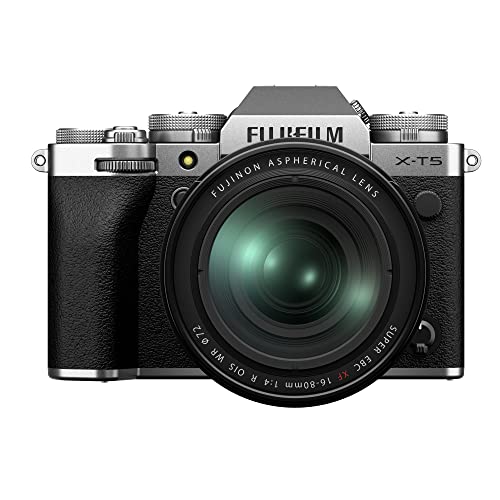
- Fujifilm (Puntuación general media: 7.8)
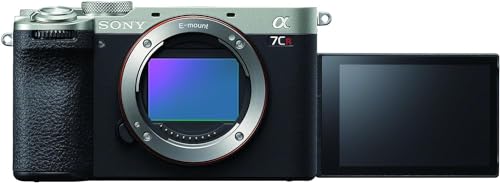
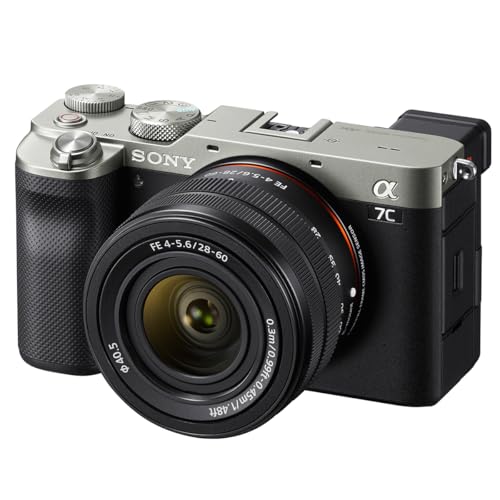
- Sony (Puntuación general media: 7.6)
El gráfico siguiente compara las marcas de cámaras para fotografía callejera según su puntuación general media.
[horizontal-chart-04639250328580797012003396632156304595111936876829]
¿Qué hace que una cámara sea adecuada para la fotografía callejera?
Una cámara es adecuada para la fotografía callejera cuando resulta fácil de llevar, se activa rápidamente, funciona de manera silenciosa y ofrece un control sencillo sin desviar la atención de la escena. Un enfoque automático rápido de toma única es importante, pero el enfoque continuo fiable y la detección de ojos también ayudan cuando las personas se acercan o atraviesan el encuadre.
Los diales directos, la compensación de exposición, el ISO automático con una velocidad de obturación mínima configurable y un visor claro o una pantalla inclinable facilitan la gestión de los cambios de luz. El enfoque por zonas y una escala de distancias pueden ser muy útiles con objetivos angulares, ya que permiten reaccionar sin esperar a que la cámara enfoque.
El conjunto completo de cámara y objetivo debe verse y sentirse discreto. Un cuerpo pequeño combinado con un gran zoom f/1.4 pierde ese propósito, mientras que un objetivo fijo compacto permite llevar la cámara preparada bajo una chaqueta o en una pequeña bolsa de hombro. La resistencia a la intemperie y una autonomía fiable son importantes en paseos largos, pero no deberían añadir más volumen del que el fotógrafo esté realmente dispuesto a llevar.
¿Cuánto importan el tamaño y el peso en las cámaras para fotografía callejera?
El tamaño y el peso importan mucho en la fotografía callejera, porque una cámara que se queda en casa no captura nada. Los cuerpos de unos 250–500 g con un objetivo fijo compacto o un zoom pancake son fáciles de llevar durante varias horas, mientras que un cuerpo de 700 g con un objetivo grande puede hacer que el fotógrafo llame más la atención y tenga menos ganas de explorar.
Los cuerpos muy pequeños también pueden perjudicar el manejo. Una empuñadura poco profunda, botones diminutos o la ausencia de visor pueden ralentizar el uso, especialmente en invierno o bajo un sol intenso. El mejor equilibrio suele ser el equipo más pequeño que todavía ofrezca un control seguro con una mano y acceso directo a la exposición.
Conviene tener en cuenta la profundidad y cuánto sobresale el objetivo, no solo el peso del cuerpo. Una cámara de objetivo fijo o un objetivo compacto de 28/35/40 mm puede caber en el bolsillo de un abrigo o en una bolsa pequeña, mientras que un zoom luminoso puede necesitar un estuche específico. Una correa cómoda y el acceso rápido suelen importar más que ahorrar los últimos 50 g.
El gráfico siguiente compara la distribución del peso de las cámaras para fotografía callejera.
[vertical-chart-09458230407350024666183390424517442592581293507924]
¿Qué utilidad tiene el enfoque automático en las cámaras para fotografía callejera?
El enfoque automático resulta muy útil en la fotografía callejera porque las expresiones, los gestos y las distancias cambian rápidamente. La detección rápida de ojos puede fijarse en una persona situada cerca del borde del encuadre, mientras que el AF por zonas o de área amplia se ocupa de sujetos que entran de forma inesperada.
La sensibilidad con poca luz y la velocidad de adquisición importan más que una cantidad enorme de puntos de enfoque. La cámara debe enfocar con seguridad bajo la iluminación de los comercios, sobre ropa oscura y en calles a contraluz, sin buscar el foco repetidamente. El enfoque táctil en una pantalla inclinable resulta útil para encuadrar discretamente desde un ángulo bajo.
El enfoque automático no es la única opción. El enfoque por zonas con un objetivo de 28 o 35 mm a f/5.6–8 puede mantener nítido un amplio intervalo de distancias, especialmente de día. La mejor cámara ofrece tanto un AF ágil como ayudas claras para el enfoque manual, de modo que el fotógrafo pueda elegir el método más rápido para la escena.
¿Qué opciones de objetivo son mejores para la fotografía callejera?
Las mejores opciones de objetivo para la fotografía callejera son las siguientes:
- Objetivo fijo equivalente a 28 mm: Este ángulo de visión gran angular moderado incluye el contexto y funciona bien en calles estrechas, mercados e interiores. Invita a acercarse, pero puede exagerar la perspectiva cerca de los rostros.
- Objetivo fijo equivalente a 35 mm: Ofrece un equilibrio clásico entre el sujeto y el entorno, adecuado para el trabajo documental general. Las versiones compactas f/1.8–2 proporcionan una luminosidad útil con poca luz sin resultar demasiado grandes.
- Objetivo fijo equivalente a 40 mm: Este ángulo algo más cerrado resulta natural y puede crear composiciones más limpias en escenas concurridas. Sigue siendo pequeño y separa más al sujeto que un 28 mm.
- Objetivo fijo equivalente a 50 mm: Resulta útil para detalles, retratos y fotografías tomadas desde un poco más lejos. Es menos flexible en espacios reducidos y exige encuadrar de manera más deliberada.
- Zoom estándar compacto: Un zoom equivalente a 16–50 mm, 18–55 mm o 24–70 mm se adapta con rapidez cuando cambia la distancia. Conviene elegir un objetivo pequeño y comprobar que la abertura no resulte demasiado limitada en el extremo largo.
- Teleobjetivo fijo corto: Un objetivo equivalente a 75–90 mm aísla rostros y detalles superpuestos desde el otro lado de la calle. Puede fomentar una forma de fotografiar distante y es más difícil de usar entre multitudes densas, por lo que funciona mejor como segundo objetivo.
¿Qué tal rinden con poca luz las cámaras para fotografía callejera?
El rendimiento con poca luz de una buena cámara callejera basta para fotografiar calles nocturnas, transportes, restaurantes y escenas iluminadas por escaparates, especialmente con un objetivo luminoso f/1.4–2. Una velocidad cercana a 1/125–1/250 s suele mantener nítidas a las personas que caminan, lo que puede exigir ISO 3200–12800 después de la puesta de sol.
Los sensores de formato completo ofrecen la mayor flexibilidad con sensibilidades altas, mientras que las cámaras APS-C y Cuatro Tercios pueden seguir dando resultados excelentes con una exposición precisa y un procesamiento moderno. La estabilización ayuda con la arquitectura estática y permite tomas deliberadas a velocidades más lentas, pero no puede congelar a los peatones.
Un objetivo fijo compacto y luminoso suele importar más que el ISO máximo. Pasar de f/4 a f/2 aporta dos pasos y puede reducir ISO 12800 a ISO 3200. La captura RAW, la protección de las altas luces y el enfoque automático con poca luz deben evaluarse en conjunto, en lugar de juzgar el ruido por una sola especificación.
¿Qué tan silenciosas son las cámaras para fotografía callejera?
Las mejores cámaras para fotografía callejera son lo bastante silenciosas como para fotografiar sin llamar la atención innecesariamente, pero el silencio total no siempre está libre de distorsiones. Un obturador mecánico bien amortiguado representa el movimiento de forma predecible y evita muchos problemas de bandas con luz artificial, mientras que el obturador electrónico elimina el sonido y las vibraciones.
Los obturadores electrónicos pueden deformar a personas en movimiento, vehículos o líneas verticales si la lectura del sensor es lenta. También pueden producir bandas bajo luces LED o fluorescentes. Los sensores apilados y los controles antiparpadeo reducen estos efectos, pero conviene probar el modo silencioso más rápido en el entorno donde se vaya a utilizar.
También importan otros sonidos: los motores de enfoque automático, el movimiento del diafragma, la estabilización, los pitidos de confirmación y la simulación del obturador pueden delatar la cámara. Desactive el audio innecesario y elija un objetivo silencioso, sin dejar de respetar las normas locales de privacidad, las reglas del recinto y la legislación.
¿Cuánto cuestan las cámaras para fotografía callejera?
Las cámaras nuevas adecuadas para fotografía callejera suelen costar entre 600 y 3500 € aproximadamente, aunque las compactas sencillas y los modelos antiguos pueden costar menos. En torno a 600–1000 €, se pueden encontrar cuerpos APS-C y Cuatro Tercios capaces, con detección de ojos, captura RAW, objetivos de kit compactos y visores electrónicos útiles.
Entre unos 1000 € y 2000 € empiezan a estar disponibles una mejor estabilización, obturadores más silenciosos, enfoque automático más rápido, sellado contra la intemperie, controles superiores y mayor calidad con poca luz. Las cámaras prémium de objetivo fijo con una buena focal equivalente de 28–40 mm también se encuentran en esta franja y evitan el tamaño de un sistema con varios objetivos.
Por encima de 2000 €, aumentan el precio los sensores de formato completo, los diseños de estilo telemétrico, los visores de alta resolución, la lectura apilada, la construcción lujosa o los objetivos fijos especializados. Estas cámaras pueden ser excelentes, pero la discreción y la capacidad de respuesta no mejoran automáticamente con el coste. Incluya el objetivo en la comparación. Un objetivo fijo compacto de 28/35/40 mm f/2 puede costar 200–1000 €, mientras que un diseño f/1.4 es mayor y puede superar 1500 €. Un cuerpo modesto y un objetivo pequeño que se llevan todos los días suelen ser más útiles que un equipo prémium que se queda en casa.
El gráfico siguiente muestra la distribución de precios de las cámaras para fotografía callejera.
[vertical-chart-14123383609905248259090366497742762922172480946657]