¿Son buenas las cámaras Ricoh?
Las cámaras Ricoh tienen una puntuación general media de 5, que las sitúa en el puesto número 12 entre las marcas de cámaras comparables, y una valoración de los usuarios de 8.9, con la posición número 6 según las reseñas de usuarios.
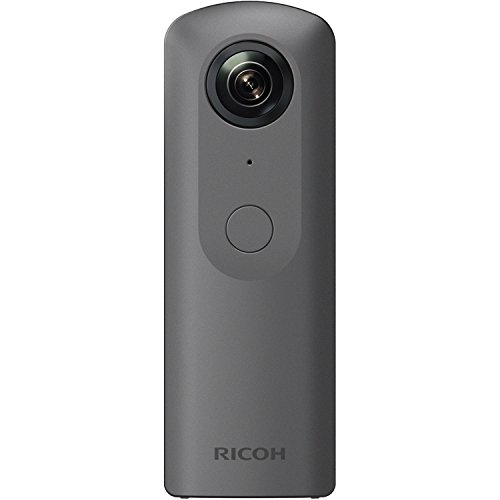
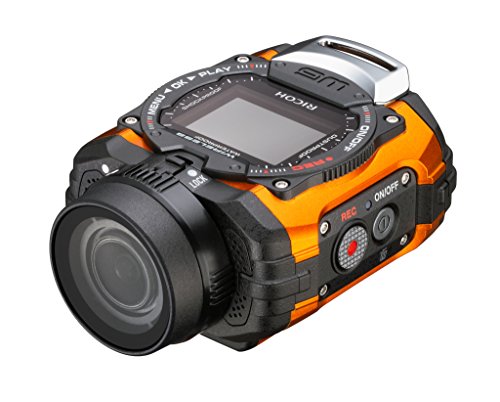
Las cámaras Ricoh son muy buenas cuando su diseño especializado encaja con el trabajo, especialmente la serie GR para fotografía discreta, los modelos WG/G para documentación en condiciones difíciles y Theta para capturas de 360 grados.
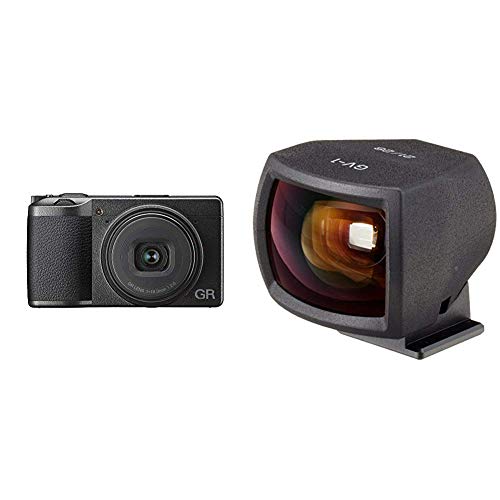
La GR es la cámara convencional más destacada de Ricoh. Su sensor APS-C y su objetivo fijo de 18,3 mm ofrecen un ángulo de visión equivalente a 28 mm, mientras que la GR IIIx utiliza el equivalente a 40 mm. El formato DNG RAW, la estabilización en el cuerpo, la amplia personalización y el filtro ND interno de las variantes GR III estándar favorecen un trabajo fotográfico deliberado. Sus límites son un enfoque automático continuo y un seguimiento menos eficaces que los de los cuerpos Fujifilm, Sony o Canon actuales, la ausencia de visor integrado y zoom, y unas funciones de vídeo modestas. WG y Theta resuelven trabajos que exigen resistencia o captura en 360 grados, mientras que Pentax, propiedad de Ricoh, sigue siendo una marca independiente de cámaras con objetivos intercambiables.
El siguiente gráfico compara Ricoh con otras marcas de cámaras según su puntuación general media.
[horizontal-chart-01577259834648091757105710739110051238292053984796]
¿Cuáles son las principales ventajas de las cámaras Ricoh?
Las principales ventajas de las cámaras Ricoh son las siguientes:
- Calidad de imagen APS-C de bolsillo: La familia GR combina un sensor APS-C de unos 24–26 MP con un cuerpo de alrededor de 260 g, mucho más pequeño que la mayoría de los equipos con objetivos intercambiables y una superficie de sensor comparable. Esto proporciona un margen útil en RAW, calidad con poca luz y separación del fondo sin renunciar a una auténtica portabilidad en el bolsillo del abrigo.
- Opciones nítidas de objetivo fijo: La GR estándar utiliza un objetivo f/2,8 equivalente a 28 mm, adecuado para fotografía de calle, viajes y sujetos en su entorno, mientras que la rama GR IIIx ofrece un ángulo de visión equivalente a 40 mm para una perspectiva más natural y encuadres más cerrados. Como cada objetivo se diseña específicamente para su sensor, la calidad de imagen es alta pese a la construcción compacta retráctil.
- Funcionamiento de Snap Focus: Snap Focus puede mantener una distancia de enfoque elegida, y Full Press Snap permite tomar la fotografía sin esperar al enfoque automático normal. Combinado con el conocimiento de la profundidad de campo, resulta excepcionalmente eficaz para la fotografía de calle rápida y discreta cuando el sujeto entra en una zona previsible.
- Estabilización y herramientas de exposición: Las generaciones GR modernas incluyen reducción de vibración mediante desplazamiento del sensor para fotografía, lo que ayuda con escenas estáticas a velocidades de obturación más lentas. Los modelos estándar también ofrecen un filtro ND interno, mientras que las variantes HDF lo sustituyen por un filtro de difusión de altas luces para obtener un resplandor más suave; así, el comprador puede elegir el efecto óptico que mejor encaje con su estilo.
- Controles directos y personalización: Ricoh ofrece dos diales de control, modos de usuario, botones personalizables, revelado RAW, modos de recorte y menús sobrios en un cuerpo muy pequeño. Su aspecto discreto y funcionamiento silencioso atraen menos atención que una cámara grande con un objetivo zoom sobresaliente.
¿Cuáles son las principales desventajas de las cámaras Ricoh?
Las principales desventajas de las cámaras Ricoh son las siguientes:
- Distancia focal fija y sin visor integrado: Una GR obliga al fotógrafo a utilizar un objetivo equivalente a 28 mm o 40 mm, sin zoom óptico ni vía para pasar a objetivos intercambiables. La composición depende de la pantalla trasera salvo que se añada un visor externo opcional, y los modos de recorte digital reducen el número de píxeles restantes.
- Enfoque automático que no lidera su categoría: El AF sencillo es adecuado para fotografías cotidianas, pero el seguimiento continuo y el reconocimiento de sujetos con movimientos erráticos son menos fiables que en las cámaras actuales de objetivos intercambiables. Snap Focus es una alternativa excelente para fotografía de calle con enfoque por zonas, pero no sustituye al AF con seguimiento del sujeto para deportes, fauna o niños activos.
- Vídeo básico: Las cámaras GR se diseñan principalmente para fotografía y carecen de la grabación avanzada 4K/6K, los códecs de 10 bits, los perfiles log, las conexiones de micrófono y el diseño térmico de los cuerpos híbridos modernos. Theta se especializa en vídeo de 360 grados, pero ese material requiere un flujo de captura y cosido completamente distinto.
- Protección ambiental y autonomía limitadas: El cuerpo GR no es una cámara resistente con sellado completo contra la intemperie, y su pequeña batería suele estar clasificada para apenas unos cientos de fotografías, según la generación y el uso. Las series WG o G de Ricoh son más adecuadas para lluvia, trabajo subacuático, lugares con mucho polvo y documentación industrial.
- Las líneas Ricoh no forman un sistema compartido: GR, WG, serie G, Theta y los productos GXR/CX antiguos emplean baterías, accesorios, software y conceptos de imagen distintos. Comprar una familia Ricoh no proporciona una montura de objetivos común ni una ruta sencilla de actualización hacia otra.
¿Quién fabrica las cámaras Ricoh?
Las cámaras Ricoh las fabrica Ricoh Company, Ltd., un grupo tecnológico japonés con sede en Tokio, a través de su negocio de imagen y de Ricoh Imaging Company. Los orígenes de Ricoh se remontan a Riken Kankoshi Co., fundada en 1936, y la empresa comenzó a producir cámaras antes de la Segunda Guerra Mundial. Productos como la cámara réflex de dos objetivos Ricohflex ayudaron a consolidarla en la fotografía de consumo después de la guerra.
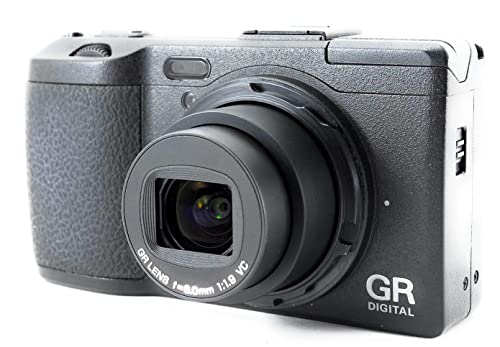
La línea GR comenzó en 1996 con la compacta de película de 35 mm GR1; después llegaron las GR Digital de sensor pequeño a partir de 2005 y la primera Ricoh GR APS-C en 2013. Más adelante, Ricoh amplió sus productos digitales especializados con el sistema modular GXR, las cámaras impermeables WG, la serie G industrial y la familia Theta de 360 grados, presentada en 2013.
Ricoh adquirió a Hoya el negocio de imagen de Pentax en 2011 y lo reorganizó bajo Ricoh Imaging. Por tanto, las cámaras réflex digitales, los objetivos y las cámaras de película Pentax pertenecen al mismo grupo y se gestionan dentro de él, pero Pentax sigue siendo una marca de consumo independiente, con su propia historia en torno a la montura K y el sistema 645. Una cámara de marca Ricoh de las familias GR, WG, G o Theta no debe describirse como un modelo Pentax solo porque ambos negocios de imagen compartan propietario.
¿Cuáles son los principales modelos de cámaras Ricoh?
Los principales modelos y familias de cámaras Ricoh son los siguientes:
- Rama GR IV y GR III equivalente a 28 mm: Estas cámaras APS-C de bolsillo utilizan un objetivo gran angular fijo para fotografía de calle, viajes, documental y uso cotidiano, con la estabilización y Snap Focus como elementos centrales del diseño. GR IV es la generación más reciente, mientras que GR III y GR III HDF siguen siendo referencias importantes; las versiones HDF sustituyen el filtro ND interno estándar por un filtro de difusión de altas luces.
- Rama GR IIIx equivalente a 40 mm: GR IIIx utiliza un objetivo fijo más largo que encuadra de forma más parecida a una focal fija normal, por lo que resulta más adecuada para composiciones de calle cerradas, detalles y retratos informales. Conserva el concepto APS-C compacto y los controles Snap Focus, pero el ángulo de visión más estrecho ofrece menos margen en interiores pequeños y escenas concurridas.
- Generaciones APS-C GR, GR II y GR Digital: La GR de 2013 y la GR II establecieron la fórmula APS-C moderna antes de que GR III añadiera estabilización y un objetivo rediseñado. Los modelos GR Digital anteriores conservan la filosofía de control, pero emplean sensores mucho más pequeños, de modo que su ruido, rango dinámico, profundidad de campo y resolución difieren considerablemente de las GR APS-C actuales.
- Cámaras resistentes de las series WG y G: Los modelos WG son compactas impermeables de objetivo fijo para actividades al aire libre, familia, inspecciones y uso subacuático, mientras que modelos de la serie G como G900 añaden funciones de documentación industrial. Sus sensores pequeños y zooms integrados priorizan la durabilidad y la utilidad en primeros planos en lugar de la calidad de imagen con poca luz propia de una GR.
- Cámaras Theta de 360 grados: Los modelos Theta utilizan dos objetivos ojo de pez opuestos para capturar en una sola toma casi toda la esfera circundante y después cosen el resultado para crear fotos inmersivas, visitas virtuales o vídeo de 360 grados. Theta SC, X, Z1 y las generaciones V anteriores difieren en tamaño de sensor, resolución, almacenamiento, pantalla y flujo de trabajo, pero ninguna funciona como una cámara GR convencional de un solo objetivo.
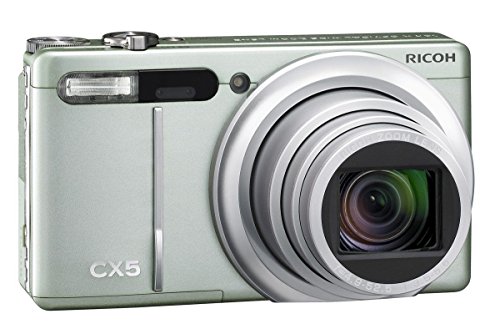
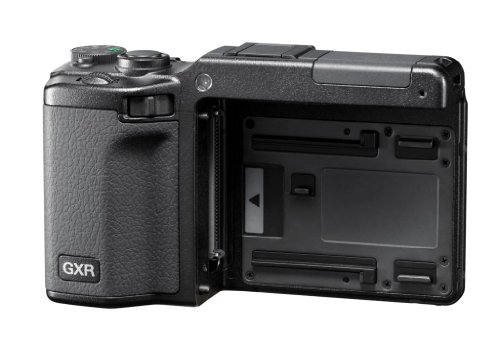
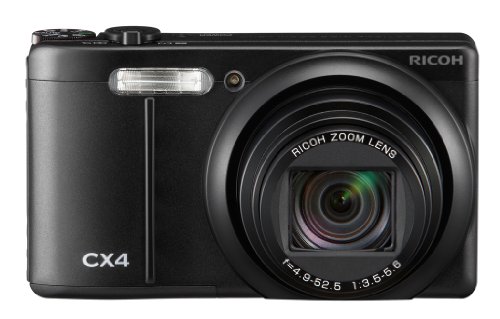
- GXR, CX y familias de compactas anteriores: GXR experimentó con unidades de cámara intercambiables que combinaban sensor y objetivo, mientras que los modelos CX eran pequeñas compactas con zoom largo. Estos conceptos históricos explican la trayectoria de Ricoh en el diseño poco convencional, pero no comparten montura, plataforma de batería ni una vía de actualización actual con GR, WG o Theta.
¿Cuánto cuestan las cámaras Ricoh?
Las cámaras Ricoh nuevas suelen costar unos 350–1.500 €, pero el intervalo relevante depende de si el producto es una GR para fotografía de calle, un modelo resistente WG/G o una cámara Theta de 360 grados.
Los cuerpos GR APS-C actuales suelen ocupar la parte alta del intervalo. Los modelos de las generaciones GR III y GR IIIx cuestan habitualmente unos 1.000–1.300 €, las versiones especiales HDF pueden rondar los 1.200–1.400 € y la generación GR IV más reciente se sitúa aproximadamente en 1.350–1.500 €. El objetivo fijo está incluido, por lo que no hay que reservar un presupuesto aparte para objetivos intercambiables.
Las compactas resistentes WG de consumo cuestan aproximadamente 300–450 €, mientras que las cámaras industriales de la serie G pueden alcanzar 800–1.000 € por sus funciones de documentación, seguridad, resistencia química o trabajo sobre el terreno. Los modelos Theta van desde unos 350–450 € hasta alrededor de 800 € para Theta X y 1.100–1.300 € para una cámara de clase Theta Z1 con sensor de una pulgada. Hay que presupuestar baterías, fundas, un visor GR opcional o accesorios de conversión angular/tele. El trabajo con Theta también puede requerir un monopié, almacenamiento, software de cosido y un dispositivo capaz de procesar archivos de 360 grados en alta resolución.
¿Cómo se comparan las cámaras Ricoh con los modelos Fujifilm?
Las Ricoh GR son mejores por su auténtica portabilidad en el bolsillo, el manejo con una sola mano y Snap Focus, mientras que Fujifilm ofrece visores, una detección de sujetos más eficaz, funciones de vídeo más completas y opciones con objetivos intercambiables. Ambas pueden producir excelentes fotografías APS-C, pero la GR es la herramienta más minimalista para fotografía de calle.
Los cuerpos GR actuales cuestan aproximadamente 1.000–1.500 €, frente a los cerca de 1.800 € de la Fujifilm X100VI, el modelo de objetivo fijo más comparable; los cuerpos Fujifilm X de objetivos intercambiables suelen partir de unos 900 € sin objetivo. Elija Ricoh si busca una cámara equivalente a 28 mm o 40 mm que quepa en un bolsillo, o Fujifilm cuando un visor, el vídeo 4K/6K, los diales físicos o la flexibilidad de objetivos justifiquen un equipo más grande.
¿Qué debe tener en cuenta al elegir la mejor cámara Ricoh?
Tenga en cuenta los siguientes puntos al elegir una cámara Ricoh:
- Familia de cámaras: Decida si el trabajo requiere una cámara GR convencional para fotografía, una compacta impermeable de las series WG/G o una cámara Theta de 360 grados. Estas familias no comparten objetivos, sensores, accesorios ni flujo de trabajo, por lo que una puntuación alta en un tipo no lo hace adecuado para otro.
- Distancia focal de GR: Elija la rama GR equivalente a 28 mm para escenas de calle más amplias, viajes, interiores y sujetos en su entorno, o la rama GR IIIx equivalente a 40 mm para composiciones más cerradas y una perspectiva más natural. El objetivo es fijo y los modos de recorte digital reducen la resolución de salida en lugar de añadir alcance óptico.
- Generación del sensor: Los modelos GR actuales utilizan un sensor APS-C de unos 24–26 MP, mientras que GR Digital, WG, CX y muchos productos Theta emplean sensores mucho más pequeños. Compare el tamaño físico del sensor, no solo los megapíxeles, porque influye en el ruido a ISO alto, el rango dinámico, la profundidad de campo y el margen de recorte.
- Configuración de Snap Focus: Compruebe las distancias predefinidas disponibles, el comportamiento de Full Press Snap, la indicación de profundidad de campo y la rapidez con que puede cambiarse la distancia mediante los controles. Snap Focus resulta más eficaz cuando la apertura, la distancia al sujeto y la distancia focal se planifican en conjunto, en lugar de tratarlo como un modo de seguimiento automático.
- Expectativas sobre el enfoque automático: El AF sencillo de las GR es adecuado para sujetos estáticos y con movimiento moderado, pero el seguimiento continuo no es el principal punto fuerte del sistema. Para deportes, fauna o movimientos imprevisibles, compare la tasa de aciertos con una cámara actual de objetivos intercambiables en vez de asumir que el cuerpo de bolsillo ofrecerá un rendimiento similar.
- Estabilización y velocidad de obturación: Los cuerpos GR modernos incluyen estabilización mediante desplazamiento del sensor, que ayuda a reducir la trepidación con sujetos estáticos. No puede congelar el movimiento del sujeto, por lo que las escenas de calle y las personas todavía pueden requerir 1/250 de segundo o una velocidad mayor incluso cuando el indicador de estabilización parezca estable.
- Versión ND frente a HDF: Los modelos estándar de tipo GR III incluyen un filtro ND interno que ayuda a utilizar aperturas mayores con luz intensa, mientras que las versiones HDF lo sustituyen por un filtro de difusión de altas luces para obtener brillos más suaves. Elija deliberadamente la función óptica, ya que es una diferencia de hardware, no un efecto de menú que pueda sustituirse más adelante.
- Visor, pantalla y controles: Las cámaras GR dependen de una pantalla trasera fija y no tienen visor electrónico ni óptico integrado, aunque existe un visor óptico opcional. Compruebe la visibilidad de la pantalla, los controles para una sola mano, los modos personalizados y si resulta cómodo componer con la pantalla trasera bajo la luz solar intensa.
- Vídeo y audio: El vídeo de las GR es básico frente al de las cámaras híbridas modernas y no debería ser el motivo principal para comprar el sistema. Si necesita vídeo, verifique la resolución, velocidad de fotogramas, estabilización, límite de grabación y conexiones de audio de la generación exacta; el vídeo Theta es material inmersivo de 360 grados con un flujo de cosido independiente.
- Resistencia, alimentación y accesorios: Una GR no sustituye a una WG impermeable ni a una serie G industrial, y su batería compacta solo está clasificada para unos cientos de tomas según la generación y los ajustes. Calcule el coste de una batería de repuesto, cargador, funda, lente de conversión, visor o accesorio de soporte para Theta de acuerdo con el entorno de captura real.