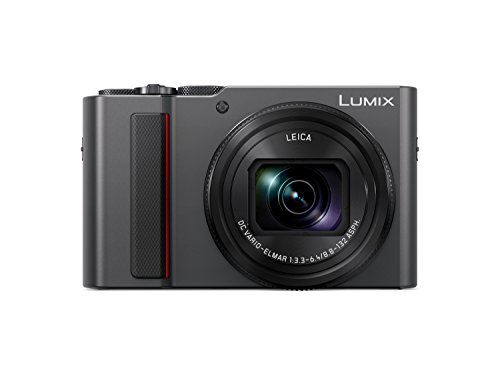
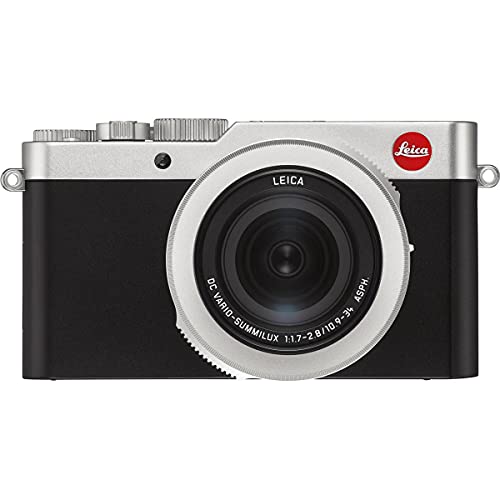
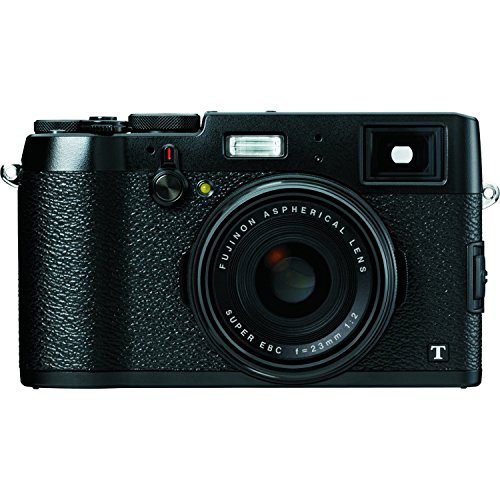
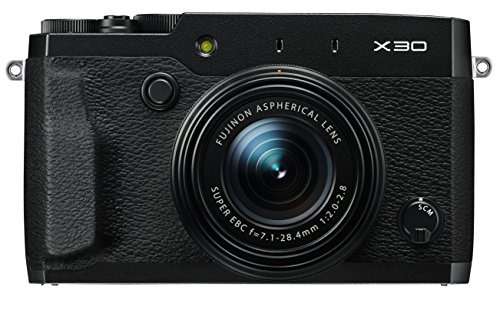
¿Qué marcas fabrican las mejores cámaras compactas?
Las mejores marcas de cámaras compactas se clasifican a continuación:
- Sony (Puntuación general media: 6.3)
- Leica (Puntuación general media: 5.9)
- Fujifilm (Puntuación general media: 5.5)
El siguiente gráfico compara las marcas de cámaras compactas según su puntuación general media.
[horizontal-chart-02411754655045587408054743022490255425242786563247]
¿Qué es una cámara compacta?
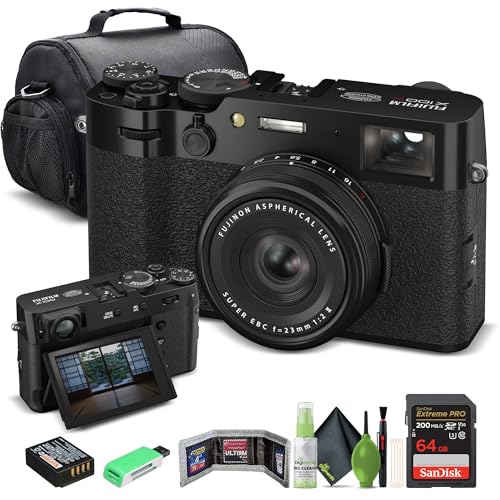
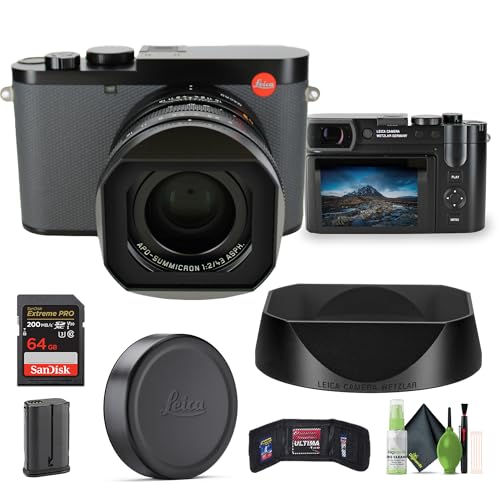
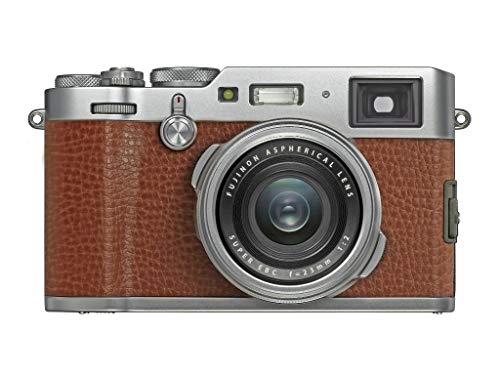
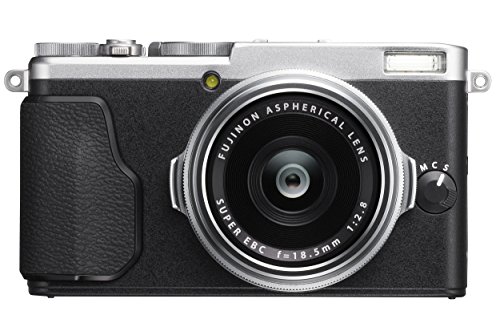
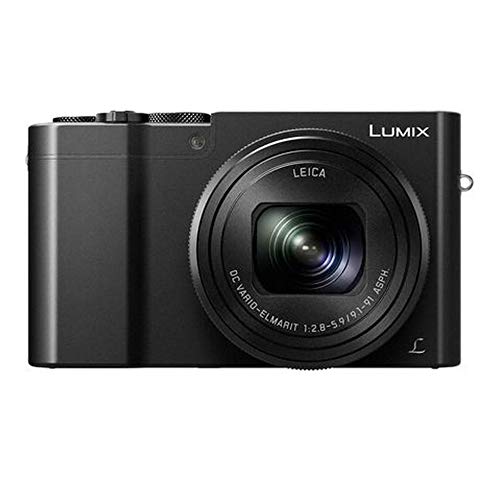
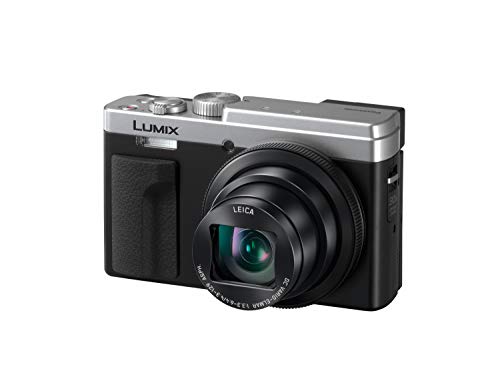
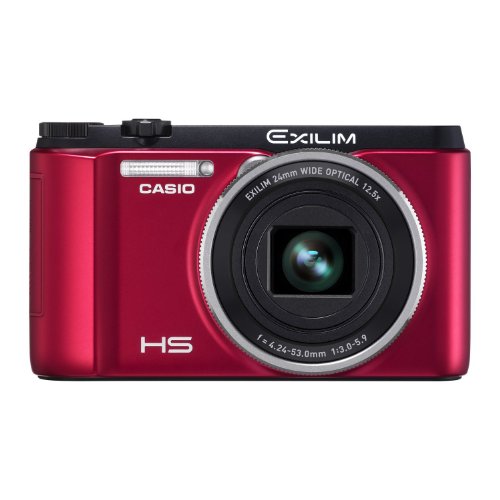
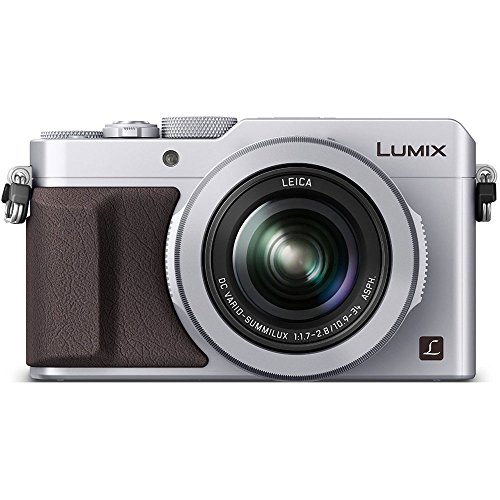
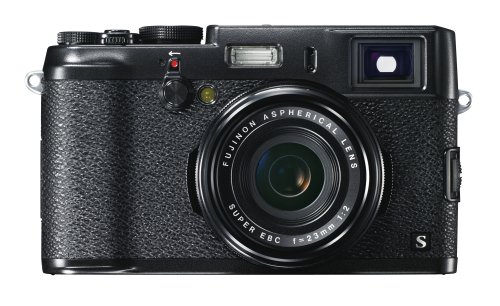
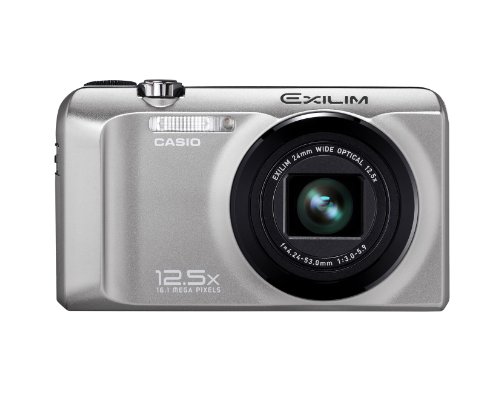
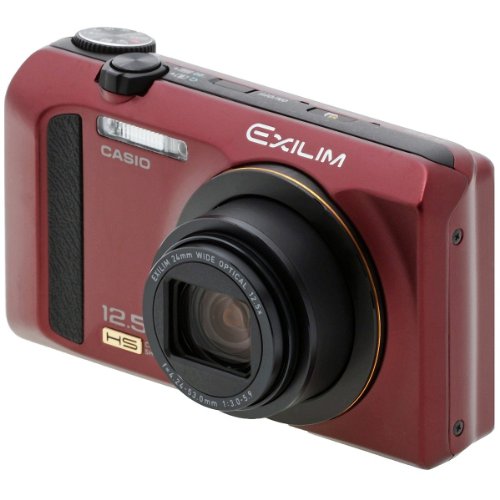
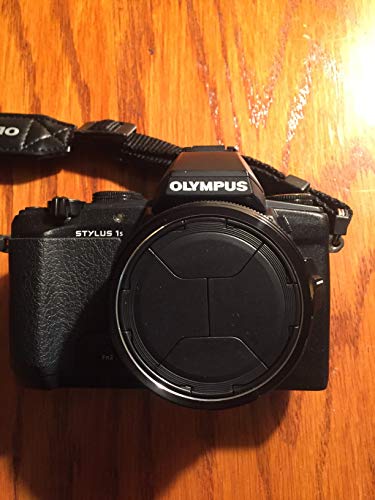
Una cámara compacta es una cámara digital pequeña de objetivo fijo, diseñada para ser más fácil de transportar que un cuerpo típico de objetivos intercambiables. El objetivo se retrae o permanece unido de forma permanente, por lo que la cámara está lista para usar sin tener que elegir, cambiar ni llevar objetivos separados.
La categoría incluye cámaras de bolsillo básicas, modelos resistentes y sumergibles, cámaras de viaje con zoom largo y compactas prémium con sensores más grandes y objetivos luminosos. Algunas caben realmente en un bolsillo, mientras que otras incorporan una empuñadura más profunda o un objetivo más grande y se transportan mejor en una bolsa pequeña.
¿Qué tan portátiles son las cámaras compactas?
Las cámaras compactas se encuentran entre las cámaras dedicadas más portátiles, pero la denominación abarca desde modelos de bolsillo de unos 90 g hasta diseños considerables que superan los 700 g.
Una cámara verdaderamente de bolsillo suele pesar alrededor de 120–250 g, con un objetivo retráctil y una empuñadura mínima. Es adecuada para llevarla a diario, viajar por la ciudad, acudir a eventos familiares y afrontar situaciones en las que un teléfono resulta cómodo, pero ofrece poco zoom o control.
Las compactas prémium con sensor grande y los modelos con zoom largo suelen pesar unos 300–500 g y pueden requerir el bolsillo de una chaqueta o una bolsa pequeña. Comprueba la profundidad con el objetivo retraído, porque una empuñadura pronunciada, un visor o un zoom luminoso pueden influir más en la portabilidad que el peso publicado por sí solo.
El siguiente gráfico compara la distribución de peso de las cámaras compactas.
[vertical-chart-10424711895152345994182819290710507623772438300919]
¿Cuánto zoom suelen ofrecer las cámaras compactas?
Las cámaras compactas suelen ofrecer desde un zoom corto de 3× hasta rangos de viaje superiores a 30×, pero la cobertura de distancias focales importa más que el multiplicador por sí solo.
Una compacta prémium y luminosa puede utilizar un objetivo equivalente a unos 24–70 mm, que prioriza la calidad con poca luz, el desenfoque del fondo y la nitidez de borde a borde. No alcanzará fauna lejana, pero resulta idónea para fotografía callejera, retratos, interiores y viajes cotidianos.
Los modelos con zoom de viaje suelen abarcar desde un gran angular de aproximadamente 24 mm hasta 200–720 mm equivalentes. El alcance adicional es útil para monumentos, deportes y sujetos lejanos, aunque la apertura máxima suele volverse mucho más reducida en el extremo largo.
Un zoom extremo y un tamaño pequeño exigen concesiones. La estabilización de imagen se vuelve esencial, el detalle fino puede perder nitidez cerca del zoom máximo y un sensor pequeño puede tener dificultades con poca luz. Compara la distancia focal equivalente, la apertura en ambos extremos, la distancia mínima de enfoque y la luminosidad del objetivo, en lugar de elegir solo por la relación de zoom.
¿Cuánto cuestan las cámaras compactas?
Las cámaras compactas suelen costar alrededor de 100–1.000 €, aunque los modelos prémium con sensor grande y los modelos de lujo con objetivo fijo pueden superar ampliamente ese intervalo.
Por debajo de 200 €, la mayoría de opciones se centran en un funcionamiento sencillo, sensores pequeños y controles modestos. Entre 200 € y 500 €, los compradores pueden encontrar mejores zooms de viaje, modelos resistentes, una estabilización superior y ajustes manuales más útiles.
Entre unos 500 € y 1.000 €, se vuelven más habituales los sensores de 1 pulgada, los objetivos más luminosos, la captura RAW, los visores electrónicos y un mejor vídeo 4K. Por encima de 1.000 €, el comprador suele pagar por un sensor APS-C o de fotograma completo, un objetivo inusualmente nítido, una construcción prémium o una experiencia fotográfica especializada, en lugar de por la comodidad básica.
El siguiente gráfico muestra la distribución de precios de las cámaras compactas.
[vertical-chart-18331356210741414278119865375644622963994029445031]
¿Qué calidad de imagen ofrecen las cámaras compactas?
La calidad de imagen de las cámaras compactas abarca desde instantáneas similares a las de un teléfono hasta resultados profesionales. Los modelos básicos suelen utilizar un sensor de 1/2.3 pulgadas, mientras que las opciones más avanzadas pueden incorporar sensores de 1 pulgada, APS-C o de fotograma completo; los formatos más grandes suelen gestionar de forma más convincente los valores ISO altos, el rango dinámico y el desenfoque del fondo.
El objetivo fijo es igual de importante. Un objetivo luminoso de f/1.8–2.8 puede mantener un ISO más bajo en interiores, mientras que un zoom de viaje largo puede pasar a f/5.6 o f/6.3 en el extremo teleobjetivo. Las compactas prémium con captura RAW, estabilización eficaz y un objetivo diseñado y nítido pueden rendir por encima de lo que su tamaño sugiere, pero los superzooms con sensor pequeño muestran su mejor nivel con buena luz.
¿Cuáles son las principales limitaciones de las cámaras compactas?
Las principales limitaciones de las cámaras compactas son las siguientes:
- Objetivo fijo: El objetivo integrado no puede sustituirse cuando el comprador necesita una apertura mayor, una distancia focal diferente o una calidad óptica superior.
- Sensor más pequeño en muchos modelos: Las compactas básicas suelen producir más ruido, menos rango dinámico y una separación del fondo más débil que los sistemas APS-C o de fotograma completo.
- Controles y empuñadura limitados: Los cuerpos pequeños pueden ofrecer menos diales, botones más pequeños, empuñaduras poco profundas y menús apretados, especialmente cuando se utilizan con guantes.
- Autonomía de la batería: Las baterías de tamaño reducido pueden ofrecer solo unos cientos de disparos según la clasificación CIPA, y el uso frecuente de la pantalla, el flash, el vídeo o las funciones inalámbricas reduce aún más esa cifra.
- Límites de autofoco y ráfaga: Los modelos más sencillos pueden seguir mal el movimiento, vaciar el búfer lentamente u ofrecer menos modos de reconocimiento de sujetos que las cámaras sin espejo actuales.
- Posibilidades de actualización: Como el objetivo y muchos accesorios son fijos, mejorar una parte del sistema suele implicar sustituir la cámara completa.
¿Qué debes comprobar antes de comprar una cámara compacta?
Antes de comprar una cámara compacta, ten en cuenta los siguientes factores:
- Tamaño y portabilidad real: El peso de las cámaras compactas oscila entre unos 90 g y más de 700 g, pero los modelos que caben realmente en un bolsillo suelen rondar los 120–250 g. Los cuerpos prémium con sensor grande o zoom largo alcanzan a menudo 300–500 g y pueden necesitar el bolsillo de una chaqueta o una bolsa pequeña. Comprueba la profundidad del cuerpo con el objetivo retraído, porque una empuñadura o un visor que sobresalgan pueden importar más que la cifra de peso.
- Formato y resolución del sensor: Un sensor típico de 1/2.3 pulgadas mide unos 6.2 × 4.6 mm, uno de 1 pulgada alrededor de 13.2 × 8.8 mm, un APS-C aproximadamente 23.5 × 15.6 mm y uno de fotograma completo 36 × 24 mm. Los sensores más grandes suelen mejorar la textura con valores ISO altos, el rango dinámico y la separación del fondo, mientras que los más pequeños permiten cuerpos más ligeros y zooms mucho más largos. Alrededor de 20 MP son suficientes para la mayoría de usos de una cámara compacta cuando el objetivo es nítido y la estabilización resulta eficaz.
- Rango y apertura del objetivo: Una compacta prémium con zoom corto puede cubrir aproximadamente 24–70 mm equivalentes con una apertura cercana a f/1.8–2.8, lo que favorece la poca luz y la separación del sujeto. Los zooms de viaje pueden extenderse desde unos 24 mm hasta 200–720 mm equivalentes, pero a menudo pasan a f/5.6 o f/6.3 en el extremo largo. Decide si importan más la luminosidad, la calidad de los retratos, la cobertura de gran angular, el enfoque cercano o el alcance lejano, porque el objetivo fijo no podrá sustituirse más adelante.
- Controles, pantalla y visor: Busca al menos un dial de control físico, una empuñadura práctica, botones personalizables y una pantalla táctil que permita seleccionar el punto de enfoque, en lugar de servir únicamente para los menús. Un visor electrónico de 2.36 millones de puntos es una referencia útil, mientras que 3.69 millones de puntos o más se perciben más nítidos para el enfoque manual y la comprobación de detalles. Confirma si la pantalla se inclina hacia arriba, gira hacia delante o se articula por completo según los ángulos necesarios para fotografía callejera, vlogging o tomas a ras de suelo.
- Especificaciones RAW y de vídeo: La captura RAW ofrece más control sobre el balance de blancos, las sombras, las luces y el ruido que el JPEG por sí solo. Para vídeo, 4K/24–30 fps es una referencia práctica, mientras que 4K/50–60 fps resulta mejor para el movimiento si la cámara puede mantenerlo sin un recorte acusado ni sobrecalentamiento. Comprueba el autofoco continuo, la estabilización, el rolling shutter, la entrada de micrófono, la salida HDMI limpia, la duración máxima de los clips y si los modos avanzados requieren tarjetas UHS-II más rápidas.
- Batería, carga y almacenamiento: Muchas cámaras compactas ofrecen unos 200–400 disparos según la clasificación CIPA, aunque el uso intenso de la pantalla, el vídeo 4K, la transferencia por Wi-Fi, el flash y el frío pueden reducir notablemente esa cifra. Para viajar, prioriza la carga USB-C o Power Delivery, pero confirma si la cámara puede funcionar mientras se carga. Reserva presupuesto para una batería de repuesto y verifica si bastan tarjetas SD UHS-I normales o el vídeo con alta tasa de bits requiere soportes V60/V90.
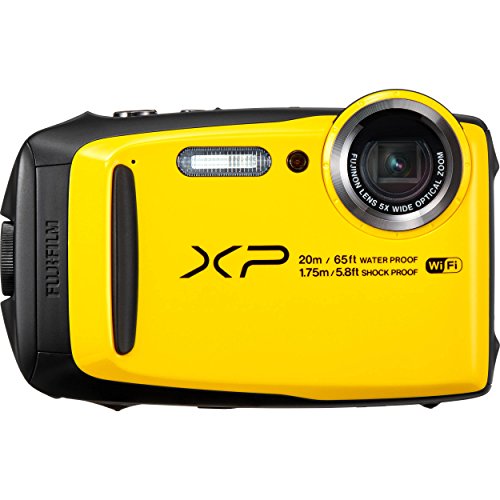
- Conectividad y resistencia: Comprueba si la aplicación complementaria puede transferir archivos a resolución completa, mantener la vinculación Bluetooth y activar el disparo remoto de forma fiable; un logotipo de Wi-Fi por sí solo no garantiza un flujo de trabajo fluido. Para usarla al aire libre, verifica el sellado real contra la intemperie, la resistencia al polvo, los límites de temperatura de funcionamiento y si el objetivo se retrae de forma segura con arena o lluvia. Los modelos resistentes pueden añadir protección contra el agua y los golpes, pero comprueba la profundidad de inmersión y la resistencia a impactos certificadas, en lugar de suponer que toda compacta con aspecto sellado está protegida.