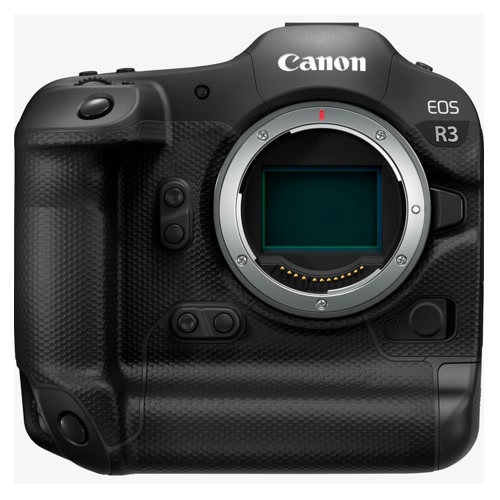
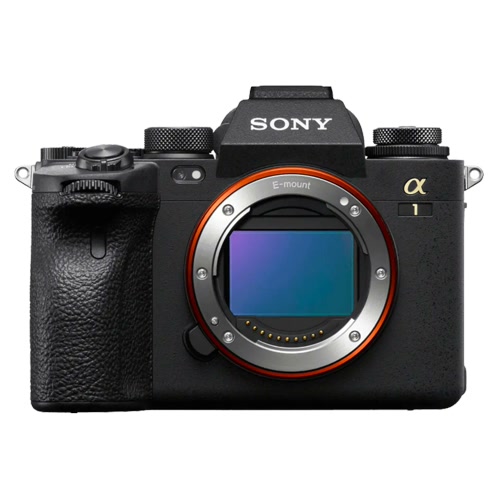
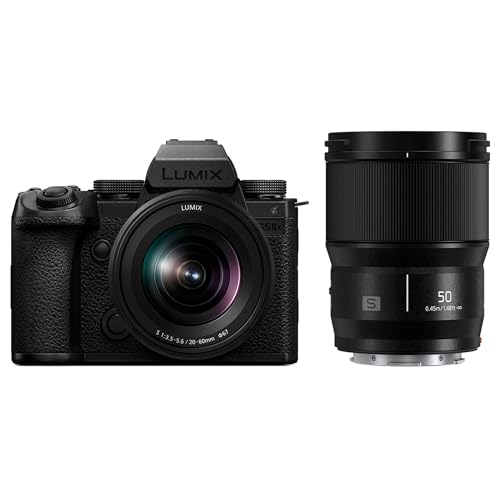
¿Qué marcas fabrican las mejores cámaras para poca luz?
Las mejores marcas de cámaras para poca luz se clasifican a continuación:
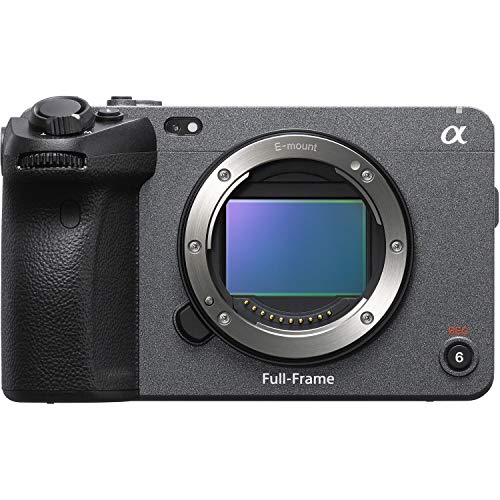
- Sony (Puntuación general media: 8.7)
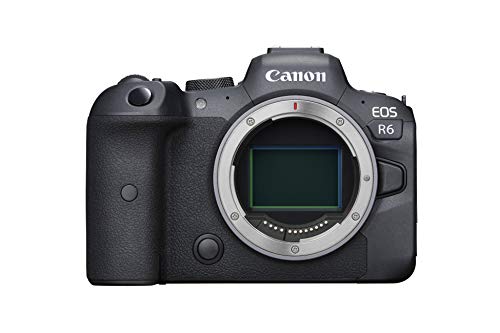
- Canon (Puntuación general media: 8.5)
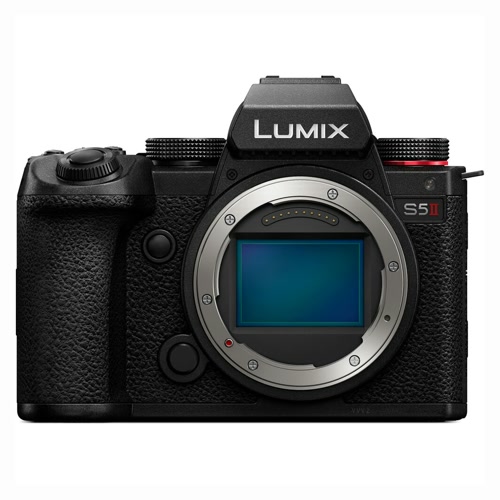
- Panasonic (Puntuación general media: 8.4)
El siguiente gráfico compara las marcas de cámaras para poca luz según su puntuación general media.
[horizontal-chart-08388572118133737875048457327399846302341705861280]
¿Qué hace que una cámara sea adecuada para poca luz?
Una cámara es adecuada para poca luz cuando puede captar suficiente luz, enfocar de forma fiable y conservar color y detalle útiles con la velocidad de obturación que exige el sujeto. Una gran superficie de sensor ayuda, pero la apertura del objetivo, la estabilización, la precisión de exposición y el procesado determinan el resultado completo.
Para personas en movimiento, conciertos, eventos y escenas callejeras, la cámara puede necesitar ISO 3200–12800 para mantener aproximadamente 1/125–1/500 s. Para arquitectura o interiores estáticos, la estabilización permite exposiciones a pulso mucho más lentas, mientras que un trípode hace posible usar el ISO base y tiempos más largos. Son problemas distintos, por lo que una valoración de estabilización no sustituye al rendimiento con ISO alto para el movimiento.
Busca captura RAW, enfoque automático clasificado para condiciones oscuras, un visor electrónico que no se vuelva excesivamente ruidoso o lento y controles que puedan utilizarse sin menús brillantes. El sistema antiparpadeo y el control del obturador de alta frecuencia son útiles bajo luces LED, donde las bandas pueden estropear imágenes que de otro modo serían limpias.
¿Qué importancia tiene el tamaño del sensor en una cámara para poca luz?
El tamaño del sensor es muy importante con poca luz porque un sensor mayor puede captar más luz total con el mismo encuadre, velocidad de obturación y número f. El formato completo suele conservar sombras más limpias, color más suave y detalle más fino a ISO 3200–12800 que un sensor más pequeño de generación similar.
APS-C sigue siendo un excelente compromiso y puede producir resultados profesionales con un objetivo luminoso. Cuatro Tercios ofrece objetivos más pequeños y a menudo una estabilización excelente, que beneficia a las escenas estáticas, mientras que los sensores de 1 pulgada y más pequeños dependen más de ópticas luminosas y reducción de ruido.
El tamaño de píxel también importa, pero no debe aislarse del área y la tecnología del sensor. Un sensor de formato completo de 24 MP y menor resolución puede ofrecer un resultado más limpio por píxel que uno de 45–60 MP, aunque reducir el tamaño de los archivos puede acortar la diferencia. Elige la resolución según la salida y el recorte necesarios, no suponiendo que menos píxeles garanticen siempre un mejor rendimiento con poca luz.
El siguiente gráfico muestra la distribución de tamaños de sensor de las cámaras para poca luz.
[pie-chart-08994185910988648891103922764758007724700846226583]
¿Qué importancia tienen los objetivos luminosos en las cámaras para poca luz?
Los objetivos luminosos son extremadamente importantes para sujetos en movimiento con poca luz, porque cada paso completo de apertura reduce a la mitad el ISO necesario con la misma velocidad de obturación. Pasar de f/4 a f/2.8 gana un paso, f/2 gana dos y f/1.4 gana tres, suficiente para convertir ISO 12800 en ISO 1600 bajo condiciones idénticas.
La mejor distancia focal depende del uso. Un objetivo 24/28/35 mm f/1.4–2 sirve para escenas ambientales y fotografía callejera; un 50 mm f/1.4–1.8 es compacto y asequible; los objetivos fijos de 85/105/135 mm aíslan a artistas o sujetos de retrato; y los zooms 24–70 mm o 70–200 mm f/2.8 aportan flexibilidad profesional.
La apertura máxima no es lo único importante. Comprueba la nitidez a máxima apertura, velocidad de enfoque, resistencia a destellos, aberración cromática, estabilización y profundidad de campo. A f/1.4, un pequeño error de enfoque puede arruinar un ojo o un rostro, por lo que un enfoque automático preciso con poca luz puede importar más que comprar el objetivo más luminoso posible.
¿Qué calidad tiene el enfoque automático de las cámaras para poca luz?
El enfoque automático de las mejores cámaras para poca luz es lo bastante fiable para eventos, retratos, escenas callejeras y acción en interiores, pero su rendimiento depende del contraste del sujeto, la apertura del objetivo y el modo AF seleccionado. Las clasificaciones de sensibilidad del fabricante, como −4, −6 o −8 EV, solo son útiles cuando también se indican la apertura de prueba y el modo de enfoque.
Una amplia cobertura de detección de fase y la detección de ojos ayudan con personas, mientras que una luz de asistencia AF puede mejorar los sujetos cercanos, aunque resultar molesta. Un objetivo luminoso aporta más luz al sistema de enfoque, y las áreas centrales o más grandes pueden seguir siendo más fiables que pequeños puntos periféricos casi a oscuras.
Evalúa por separado la velocidad de adquisición y el seguimiento. Una cámara puede enfocar con precisión un rostro estático, pero tener dificultades cuando un sujeto se acerca bajo LED tenues y parpadeantes. El disparo antiparpadeo, la frecuencia de refresco del visor y la confirmación de enfoque deben seguir siendo utilizables con el ISO y las velocidades previstos para el trabajo real.
¿Cuánto ruido de imagen producen las cámaras para poca luz?
Las cámaras diseñadas para poca luz siguen produciendo ruido visible, especialmente por encima de ISO 6400, pero los mejores modelos conservan color natural y textura fina reconocible en lugar de sustituirlos por un suavizado agresivo. El ruido aparece como grano de luminancia, motas de color, bandas y menor detalle en sombras; el equilibrio cambia según el diseño del sensor y la exposición.
Una exposición correcta es fundamental. Un archivo a ISO 6400 correctamente expuesto suele parecer más limpio que uno a ISO 1600 subexpuesto dos pasos e iluminado después. Protege las altas luces importantes, pero evita levantar las sombras muy oscuras más de lo necesario.
El procesado RAW permite controlar por separado el ruido de luminancia y crominancia, mientras que la reducción de ruido moderna puede recuperar resultados sorprendentemente limpios. Una reducción excesiva elimina detalle de piel, cabello, tejidos y follaje, así que evalúa los archivos al tamaño final de pantalla o impresión. Para uso web o impresiones moderadas, ISO 12800 puede resultar práctico aunque la inspección al 100 % parezca áspera.
¿Qué utilidad tiene la estabilización en las cámaras para poca luz?
La estabilización es muy útil para sujetos estáticos con poca luz porque permite velocidades de obturación varios pasos más lentas que la recomendación habitual para disparar a pulso. Con una técnica cuidadosa, un objetivo estabilizado de 35 mm puede producir imágenes nítidas de arquitectura o interiores alrededor de 1/8–1/2 s, reduciendo mucho el ISO frente a 1/60 s.
No congela el movimiento del sujeto. Las personas caminando, músicos actuando o niños jugando pueden seguir necesitando 1/125–1/500 s, por lo que aún hacen falta un objetivo luminoso y un sensor capaz con ISO alto. La estabilización puede mantener estable el encuadre y mejorar el enfoque, pero no sustituye a la velocidad de obturación.
La estabilización por desplazamiento del sensor funciona con muchos objetivos y es especialmente valiosa para objetivos fijos no estabilizados; la estabilización óptica puede optimizarse para el movimiento de teleobjetivos. Comprueba cómo se combinan los sistemas, si el beneficio anunciado cambia con la distancia focal y si la estabilización electrónica de vídeo introduce un recorte.
¿Cuánto cuestan las cámaras para poca luz?
Las cámaras nuevas con buena capacidad para poca luz suelen costar unos 800–6.000 € solo por el cuerpo. Alrededor de 800–1.500 €, los modelos APS-C, Cuatro Tercios y algunos de formato completo más antiguos o básicos pueden ofrecer captura RAW, buenos resultados a ISO 3200–6400, detección de ojos y estabilización útil.
Entre aproximadamente 1.500 € y 3.000 €, se vuelven habituales los sensores de formato completo, un enfoque automático más potente con poca luz, mejores visores, sellado, doble ranura para tarjetas y un rendimiento más fiable en eventos. Este intervalo suele ofrecer el mejor equilibrio para bodas, conciertos, documentales y fotografía callejera nocturna.
Los cuerpos de más de 3.000 € añaden sensores apilados, seguimiento de nivel insignia, lectura rápida, conexiones profesionales, construcción robusta o capacidades especializadas de alta resolución y vídeo. Mejoran más la fiabilidad y velocidad que la captación básica de luz. Reserva una parte importante del presupuesto para el objetivo. Un objetivo fijo f/1.8 puede costar 150–700 €, uno f/1.2–1.4 500–2.500 € y un zoom profesional f/2.8 aproximadamente 1.000–3.000 €. Un cuerpo de gama media con el objetivo luminoso adecuado suele superar a uno más caro combinado con un zoom poco luminoso.
El siguiente gráfico muestra la distribución de precios de las cámaras para poca luz.
[vertical-chart-06433876977867883469116091544916336471690487810694]