¿Qué marcas fabrican las mejores cámaras para fotografía de fauna?
Las mejores marcas de cámaras para fotografía de fauna se clasifican a continuación:
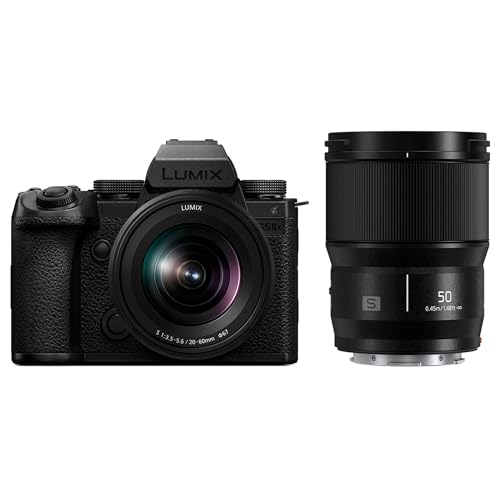
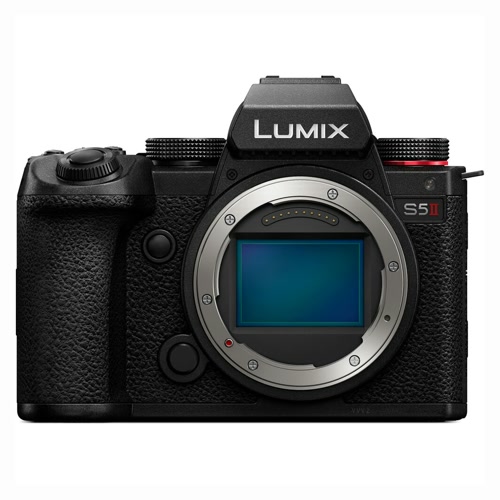
- Panasonic (Puntuación general media: 8.9)
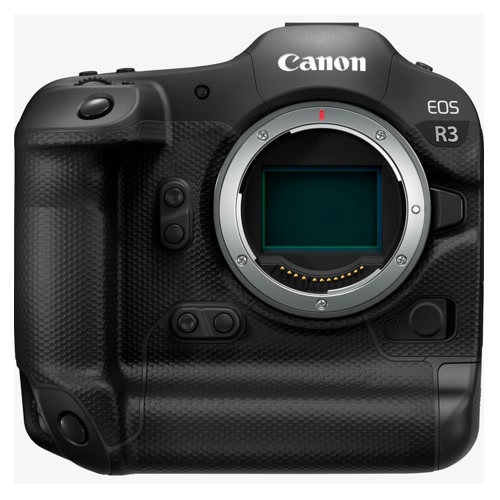
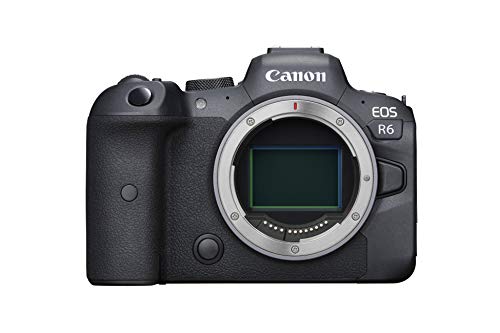
- Canon (Puntuación general media: 8.9)
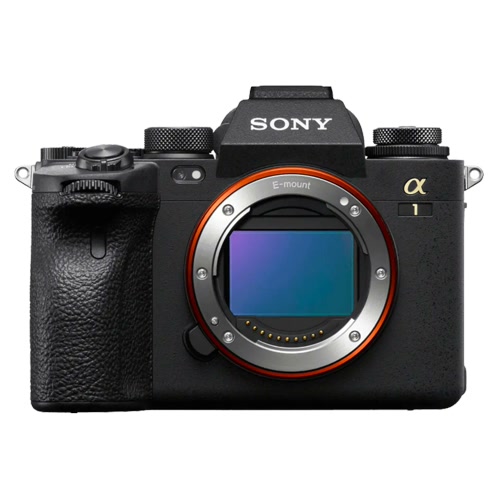
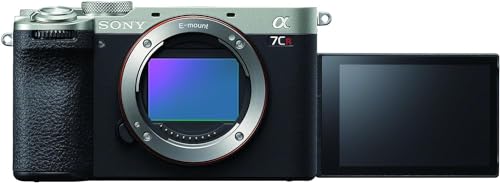
- Sony (Puntuación general media: 8.7)
El siguiente gráfico compara las marcas de cámaras para fotografía de fauna según su puntuación general media.
[horizontal-chart-15813751636147590343106179460099031817634254521790]
¿Qué hace que una cámara sea adecuada para la fotografía de fauna?
Una cámara es adecuada para fotografía de fauna cuando puede adquirir rápidamente un sujeto pequeño o en movimiento, seguirlo por una amplia parte del encuadre y grabar una ráfaga sostenida sin bloquear la visión ni llenar de inmediato el búfer. El enfoque automático por detección de fase, el reconocimiento de animales o aves, al menos unos 8–10 fps de disparo mecánico y unos controles con buena respuesta son más importantes que un número de píxeles inusualmente alto por sí solo.
Una resolución de alrededor de 20–33 MP constituye un equilibrio práctico para muchos fotógrafos, ya que proporciona margen de recorte sin generar archivos excesivamente grandes durante ráfagas largas. APS-C ofrece un campo de visión más estrecho con el mismo objetivo, lo que puede ayudar con sujetos lejanos, mientras que el formato completo suele proporcionar archivos más limpios a ISO alto y más flexibilidad en bosques oscuros o al amanecer; ninguno de los dos formatos sustituye una distancia focal suficiente.
El cuerpo también debe funcionar como parte de un sistema con teleobjetivo. Busca una empuñadura profunda, un visor claro, botones AF personalizables, construcción resistente a la intemperie, dos ranuras rápidas para tarjetas cuando perder imágenes tendría un coste y una batería adecuada para un seguimiento prolongado. El encendido rápido, las opciones de obturador silencioso o electrónico y la estabilización en el cuerpo resultan útiles, pero hay que comprobar el rolling shutter y el parpadeo antes de usar modos silenciosos con acción rápida.
¿Qué importancia tiene el enfoque automático en una cámara para fotografía de fauna?
El enfoque automático es esencial para fotografiar fauna porque los sujetos pueden moverse de forma impredecible, ocupar solo una pequeña parte del encuadre y desaparecer tras la vegetación en una fracción de segundo. Un sistema sólido combina una amplia cobertura de detección de fase con reconocimiento de animales, aves o insectos y seguimiento continuo que se mantiene sobre la cabeza o el ojo mientras el sujeto se acerca, gira o cruza un fondo complejo.
El número de puntos de enfoque solo resulta útil cuando su ubicación, sensibilidad y procesamiento son eficaces. Prueba el tamaño y la posición de las zonas de seguimiento, la adquisición con poca luz, el cambio de sujeto y si la detección de ojos funciona a la velocidad de ráfaga prevista; algunas cámaras reducen la actualización de la vista en directo, los cálculos AF o las opciones de seguimiento en su modo de avance más rápido. Los teleobjetivos nativos también suelen enfocar con mayor constancia que los objetivos adaptados con comunicación limitada.
Las aves en vuelo se benefician de una zona amplia o un modo de seguimiento del sujeto, mientras que los animales posados pueden resultar más sencillos con un área pequeña que evite dar prioridad a las ramas. La sensibilidad de seguimiento ajustable ayuda a la cámara a ignorar obstáculos breves sin aferrarse demasiado tiempo a un sujeto perdido. El enfoque con botón trasero puede separar el seguimiento del disparador, aunque la mejor distribución de controles es la que el fotógrafo puede cambiar sin apartarse del visor.
La apertura del objetivo afecta al enfoque automático además de a la exposición. Un 400 mm f/2,8 o 600 mm f/4 suministra más luz al sistema AF que un zoom f/6,3 en el extremo largo, pero los cuerpos modernos pueden seguir bien con zooms compactos de apertura variable cuando hay buena luz. Al utilizar un teleconvertidor 1,4× o 2×, confirma la apertura efectiva y qué áreas AF siguen disponibles.
¿Qué opciones de objetivos son mejores para la fotografía de fauna?
Un zoom estabilizado de 100–400 mm o 150–600 mm es la mejor opción general para fotografía de fauna porque combina un alcance útil con la flexibilidad necesaria para encontrar y reencuadrar sujetos en movimiento. En APS-C, un objetivo de 100–400 mm ofrece un ángulo de visión similar a unos 150–600 mm en un cuerpo 1,5× o 160–640 mm en uno 1,6×, lo que resulta especialmente útil para aves y mamíferos lejanos.
Un objetivo de 70–300 mm es más ligero y económico para zoológicos, animales grandes y sujetos a los que se puede aproximar con seguridad, pero suele quedarse corto para aves pequeñas. Los zooms de apertura variable de 100–500 mm o 150–600 mm de clase f/5–6,3 proporcionan un gran alcance a la luz del día con un coste y peso manejables; su apertura menos luminosa en el extremo largo exige un ISO más alto o una velocidad de obturación menor en bosques, al amanecer o bajo las nubes.
Los teleobjetivos de focal fija como 300 mm f/2,8, 400 mm f/2,8, 500 mm f/4 y 600 mm f/4 ofrecen un enfoque automático más rápido, una visión más luminosa, mayor separación del sujeto y mejor compatibilidad con teleconvertidores. También son pesados y caros, por lo que puede ser necesario un monopié, una cabeza de trípode o una técnica a pulso bien practicada. Los diseños compactos de 400 mm f/4,5, 500 mm f/5,6, 600 mm f/6,3 y 800 mm f/6,3 sacrifican apertura para facilitar el transporte.
Comprueba la distancia mínima de enfoque, los modos de estabilización, la resistencia a la intemperie, los interruptores limitadores del enfoque automático, la compatibilidad con collar y el equilibrio sobre el cuerpo previsto. Un convertidor 1,4× aumenta la distancia focal un 40 % y resta un paso de luz, mientras que uno 2× duplica la distancia focal y resta dos pasos; ambos pueden ralentizar el enfoque y reducir la nitidez. El mejor sistema suele ser el objetivo que se puede transportar y mantener estable durante toda la salida.
¿Qué importancia tiene el disparo en ráfaga en las cámaras para fotografía de fauna?
El disparo en ráfaga es muy importante para la acción de la fauna porque la posición de las alas, la visibilidad del ojo, el gesto y la separación del fondo pueden cambiar entre fotogramas consecutivos. Una velocidad mecánica de unos 8–10 fps es una base útil, mientras que 12–15 fps ofrece más opciones para aves que despegan, mamíferos que corren e interacciones breves.
El búfer y la interfaz de la tarjeta determinan si la velocidad anunciada sigue siendo útil. Comprueba cuántos fotogramas RAW sin pérdida o comprimidos graba la cámara antes de ralentizarse, con qué rapidez se vacía el búfer y si el enfoque automático y la vista en directo continúan a pleno rendimiento; 10 fps durante 100 archivos RAW suelen ser más prácticos que 20 fps en una ráfaga muy corta. Las tarjetas CFexpress y UHS-II rápidas pueden reducir el tiempo de vaciado, pero solo cuando el cuerpo admite su velocidad sostenida.
Los obturadores electrónicos pueden alcanzar 20–40 fps o más y funcionar en silencio, pero una lectura lenta del sensor puede doblar las alas, inclinar las líneas verticales o provocar bandas con luz artificial. Los sensores apilados reducen estos problemas y los modos de captura previa pueden guardar fotogramas de la fracción de segundo anterior a pulsar por completo el disparador. Utiliza ráfagas cortas y deliberadas para controlar el volumen de archivos, el calor, el consumo de batería y el tiempo de edición.
El siguiente gráfico compara las velocidades mecánicas de disparo continuo de las cámaras para fotografía de fauna.
[vertical-chart-06269654525764423471064844184993096396933392837283]
¿Qué calidad de imagen con poca luz ofrecen las cámaras para fotografía de fauna?
La calidad de imagen con poca luz de una buena cámara para fauna es suficiente para el amanecer, el anochecer, los bosques y la acción con cielo cubierto, pero las velocidades de obturación rápidas pueden obligar a usar un ISO mucho más alto que en la fotografía habitual. Las aves en vuelo suelen necesitar alrededor de 1/1600–1/3200 s, mientras que los mamíferos en movimiento requieren normalmente unos 1/800–1/2000 s, lo que deja poco margen para reducir el ISO cuando el objetivo es f/5,6 o f/6,3.
Los sensores de formato completo suelen conservar colores más limpios, texturas más finas y mayor flexibilidad en las sombras alrededor de ISO 3200–12800 que los sensores más pequeños de una generación similar. Los cuerpos APS-C sacrifican parte del rendimiento a ISO alto a cambio de una mayor densidad de píxeles sobre el sujeto y un campo de visión más estrecho con el mismo objetivo, algo valioso con buena luz o cuando, de otro modo, el recorte sería intenso. La generación del sensor y la precisión de la exposición importan junto con el formato.
Un objetivo más luminoso puede mejorar tanto la velocidad de obturación como la fiabilidad del enfoque automático. Pasar de f/6,3 a f/4 deja entrar alrededor de 1,3 pasos más de luz, mientras que f/2,8 gana más de dos pasos, pero los teleobjetivos de gran apertura son caros y pesados. La estabilización ayuda con la trepidación al fotografiar un animal posado, pero no puede congelar el batir de alas, la carrera o el movimiento de la cabeza.
La grabación RAW, la protección cuidadosa de las altas luces y una reducción de ruido moderada conservan detalles más naturales de plumas y pelaje que un suavizado agresivo en la cámara. Subexponer mucho y aclarar después suele revelar más ruido que utilizar un ISO superior con una exposición correcta. Evalúa conjuntamente la sensibilidad del enfoque automático, la claridad del visor y la velocidad de obturación aprovechable, en lugar de juzgar la poca luz por la cifra máxima de ISO.
¿Qué utilidad tiene el sellado contra la intemperie en las cámaras para fotografía de fauna?
El sellado contra la intemperie resulta muy útil para fotografiar fauna porque la lluvia, la niebla, el polvo, la nieve y la vegetación húmeda son habituales donde los animales están activos. Los botones, diales, tapas y uniones del cuerpo sellados reducen la posibilidad de que la humedad o la arenilla lleguen a componentes sensibles, lo que permite al fotógrafo seguir trabajando cuando habría que guardar un cuerpo sin protección.
La protección solo es tan sólida como el sistema completo. El objetivo, el teleconvertidor, la tapa de la tarjeta, la tapa de la batería y cualquier conexión externa también deben estar sellados, y la resistencia a la intemperie no hace que el equipo sea impermeable ni seguro para sumergirlo; una funda para la lluvia y un paño seco siguen siendo sensatos bajo lluvia prolongada. Evita cambiar de objetivo con polvo impulsado por el viento o precipitaciones, limpia la montura antes de retirar el objetivo y deja que el equipo frío se caliente gradualmente dentro de una bolsa cerrada para reducir la condensación.
El sellado importa menos en visitas controladas a zoológicos y escondites con buen tiempo que al fotografiar aves costeras, humedales, bosques, trabajos invernales o viajes de varios días. Incluso entonces, el manejo con guantes, unos controles fiables, el rendimiento de la batería en frío y un parasol que proteja el elemento frontal pueden importar tanto como la afirmación del fabricante sobre el sellado.
¿Cuánto cuestan las cámaras para fotografía de fauna?
Los cuerpos nuevos adecuados para fotografía de fauna suelen costar unos 900–6.500 €, pero el teleobjetivo cuesta a menudo tanto como la cámara o más. Los cuerpos APS-C o de formato completo básicos y de gama media de unos 900–1.800 € pueden ofrecer detección de animales, ráfagas mecánicas de 8–15 fps, buenos sensores de 20–33 MP y una resistencia útil a la intemperie.
Un kit inicial práctico para fauna con un zoom de 70–300 mm, 100–400 mm o 150–600 mm suele sumar aproximadamente 1.500–3.500 €. Los zooms de menor precio suelen alcanzar f/5,6–6,3 en el extremo largo, mientras que los motores de enfoque automático más potentes, la construcción más ligera, un sellado mejor y las ópticas más nítidas elevan el precio. Incluye una tarjeta de memoria rápida, una batería de repuesto, una correa cómoda y posiblemente un monopié.
Los cuerpos para entusiastas y profesionales cuestan unos 2.000–6.500 €, mientras que los zooms prémium de la categoría 100–500 mm añaden alrededor de 2.500–4.000 €. Las focales fijas de gran apertura de 400 mm f/2,8 o 600 mm f/4 pueden alcanzar 10.000–15.000 € cada una, pero a la mayoría de los fotógrafos les sirve mejor un cuerpo de gama media con buena respuesta y el mejor telezoom portátil que puedan permitirse. Reserva presupuesto para tarjetas rápidas, baterías de repuesto, protección contra la intemperie y equipo de soporte.
El siguiente gráfico muestra la distribución de precios de las cámaras para fotografía de fauna.
[vertical-chart-03216439270783923255068959970609918560830266093470]