¿Son buenas las cámaras Fujifilm?
Las cámaras Fujifilm tienen una puntuación general media de 6.1, que las sitúa en el puesto #9 entre marcas de cámaras comparables, y una valoración de usuarios de 9.3, que las coloca en el puesto #3 según las opiniones de los usuarios.
Las cámaras Fujifilm son muy buenas para quienes valoran unos JPEG de calidad, objetivos APS-C compactos, controles táctiles de exposición y un sistema con una identidad creativa distintiva. Los cuerpos de la serie X cubren viajes, fotografía callejera, familia, retrato, acción y vídeo híbrido avanzado, mientras que las cámaras GFX ofrecen una resolución y un detalle tonal excepcionales gracias a un sensor de 44 × 33 mm.
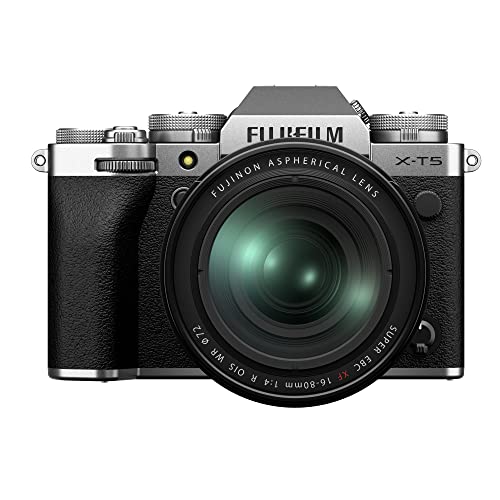
Las Simulaciones de Película, entre ellas Provia, Velvia, Classic Chrome, Acros, Eterna y Reala Ace, ajustan la reproducción en color o monocroma y conservan la captura RAW. Los cuerpos X-Trans CMOS 5 recientes ofrecen una resolución de 40 MP o un sensor apilado de 26 MP, detección de sujetos, vídeo avanzado y estabilización interna en modelos como X-T5, X-H2, X-H2S y X-S20. El seguimiento de sujetos difíciles puede quedar por detrás de los mejores sistemas de Sony o Canon, los objetivos antiguos pueden enfocar más despacio y los cuerpos compactos pueden omitir el IBIS. No existe una gama de formato completo: superar APS-C exige pasar al sistema GFX, más costoso, mientras que los objetivos de X100 y GFX100RF son fijos.
El siguiente gráfico compara Fujifilm con otras marcas de cámaras según su puntuación general media.
[horizontal-chart-01577259834648091757105710739110051238292053984796]
¿Cuáles son las principales ventajas de las cámaras Fujifilm?
Las principales ventajas de las cámaras Fujifilm son las siguientes:
- Simulaciones de Película y flujo JPEG: Fujifilm ofrece perfiles de color y monocromos cuidadosamente ajustados e inspirados en su legado fotográfico, con controles de grano, tono de luces y sombras, color, nitidez y desplazamientos del balance de blancos. Los fotógrafos pueden producir JPEG terminados y distintivos en la propia cámara, a la vez que conservan los archivos RAW para editarlos más adelante.
- Sistema APS-C concebido como destino final: La montura X incluye objetivos fijos compactos, zooms resistentes a la intemperie, objetivos luminosos para retrato, opciones macro y teleobjetivos largos diseñados específicamente para el formato con factor de recorte 1.5×. Esto permite crear equipos más pequeños y equilibrados sin tratar los objetivos APS-C como productos temporales antes de pasar al formato completo.
- Opciones de cuerpos con controles táctiles: Las cámaras X-T, X-Pro, X-E y X100 ofrecen controles dedicados para velocidad de obturación, compensación de exposición, apertura o ISO que mantienen visibles los ajustes importantes. Los modelos X-S y X-H también proporcionan un manejo PASM convencional para quienes prefieren diales de control y modos personalizados.
- Opciones de sensor diferenciadas: Los cuerpos X-Trans de alta resolución y 40 MP permiten obtener fotografías detalladas y vídeo de alta resolución, mientras que X-H2S usa un sensor apilado de 26 MP para lograr ráfagas más rápidas y reducir el rolling shutter. GFX añade sensores de 44 × 33 mm en la clase de 50 o 100 MP cuando la profundidad tonal, la resolución y la reproducción de gran formato importan más que la velocidad o la portabilidad.
- Buenas opciones híbridas y de objetivo fijo: X-H2/X-H2S y las cámaras X más recientes ofrecen grabación de 10 bits, modos de alta resolución, F-Log y accesorios profesionales, mientras que X100VI reúne un objetivo f/2 equivalente a 35 mm, un visor híbrido e IBIS en una sola cámara. Por tanto, la gama permite tanto sistemas ampliables como una fotografía disciplinada con un único objetivo.
¿Cuáles son las principales desventajas de las cámaras Fujifilm?
Las principales desventajas de las cámaras Fujifilm son las siguientes:
- El enfoque automático depende mucho de la generación y la configuración: Los cuerpos X-Trans 5 recientes reconocen más tipos de sujetos y realizan un seguimiento mucho mejor que las primeras cámaras de la serie X, pero aves difíciles, deportes imprevisibles o sujetos que atraviesan fondos recargados todavía pueden ofrecer menos constancia que los mejores rivales. El firmware, el motor del objetivo, la elección del área de enfoque y la prioridad de disparo pueden cambiar los resultados de forma significativa.
- No existe un puente de formato completo entre X y GFX: Los usuarios de la serie X que necesiten un sensor mayor no pueden trasladar los objetivos a GFX porque X y GF son monturas distintas. Los cuerpos y objetivos GFX son mayores, más lentos y considerablemente más caros, por lo que la actualización supone un cambio de sistema y no un simple salto de cuerpo.
- El IBIS y el manejo no son uniformes entre los modelos compactos: X-H2, X-H2S, X-T5, X-S20, X-T50 y X100VI incluyen estabilización, mientras que cuerpos como X-M5 y varias generaciones anteriores de X-T, X-E y X100 no la tienen. Las pequeñas empuñaduras retro también pueden resultar incómodas con zooms luminosos o teleobjetivos largos.
- Los sensores de alta resolución aumentan las exigencias técnicas: Los archivos APS-C de 40 megapíxeles revelan con mayor facilidad las debilidades del objetivo, los errores de enfoque, la difracción y el movimiento de la cámara, además de consumir más espacio en tarjetas y almacenamiento. Los sensores convencionales de alta resolución también pueden mostrar rolling shutter en acciones rápidas con obturador electrónico o durante panorámicas de vídeo veloces.
- La popularidad y el coste del sistema pueden perjudicar el valor: Los modelos de objetivo fijo con mucha demanda pueden ser difíciles de conseguir al precio minorista normal, los zooms XF premium con distintivo rojo no son baratos y los objetivos GFX elevan rápidamente el total a terreno profesional. Compara la disponibilidad real del cuerpo y los objetivos en lugar de asumir que Fujifilm siempre crea el equipo más pequeño o económico.
¿Quién fabrica las cámaras Fujifilm?
Las cámaras Fujifilm las fabrica Fujifilm Corporation, la empresa japonesa de tecnología e imagen perteneciente a Fujifilm Holdings Corporation y con sede en Tokio. La actividad se fundó en 1934 como Fuji Photo Film Co. para fabricar película fotográfica, y ese legado científico vinculado a la película todavía influye en los perfiles de color, los productos de impresión y la identidad de sus cámaras modernas.
Fujifilm se diversificó mucho más allá de la película hacia la imagen médica, la salud, los materiales, la óptica, la impresión y la imagen digital, pero mantuvo un negocio específico de imagen profesional y de consumo. Su gama moderna incluye cámaras APS-C de la serie X y objetivos XF, cámaras de formato medio GFX y objetivos GF, productos X100 y GFX100RF de objetivo fijo, además de cámaras instantáneas e impresoras Instax.
El sistema X actual surgió de productos premium con objetivo fijo e intercambiable presentados a comienzos de la década de 2010, mientras que GFX llevó a Fujifilm al formato medio sin espejo más adelante en esa década. Fujifilm diseña las cámaras, los procesadores, la ciencia del color, los objetivos y la integración del sistema; el lugar de fabricación varía según el modelo y el componente, por lo que los compradores deben comprobar la indicación en el producto concreto en vez de asumir que todos los cuerpos u objetivos Fujifilm proceden de una sola fábrica.
¿Cuáles son los principales modelos de cámaras Fujifilm?
Los principales modelos y familias de cámaras Fujifilm son los siguientes:
- Serie X-H: X-H2 es la híbrida de alta resolución y 40 MP, mientras que X-H2S utiliza un sensor apilado de 26 MP más rápido para acción, fauna y vídeo con rolling shutter reducido. Ambas usan empuñaduras profundas, IBIS, grabación avanzada de 10 bits, compatibilidad con CFexpress y controles de estilo profesional en lugar de los diales tradicionales de velocidad de obturación en la parte superior.
- Serie X-T: X-T5 combina un sensor de 40 MP, IBIS, pantalla inclinable y diales de exposición dedicados en un cuerpo compacto orientado a la fotografía, mientras que X-T50 incorpora muchas funciones de la generación actual en un diseño más pequeño con una sola ranura. Las generaciones X-T anteriores siguen siendo importantes, pero el enfoque automático, la batería, la estabilización, la resolución del sensor y la capacidad de vídeo varían mucho.
- Series X-S y X-M: X-S20 utiliza controles PASM, una empuñadura pronunciada, IBIS y buen vídeo híbrido en un cuerpo compacto; X-M5 es más pequeña y se orienta a creadores, pero omite el visor electrónico y el IBIS. Estas familias son adecuadas para quienes desean el color y los objetivos de Fujifilm sin la distribución X-T tradicional cargada de diales.
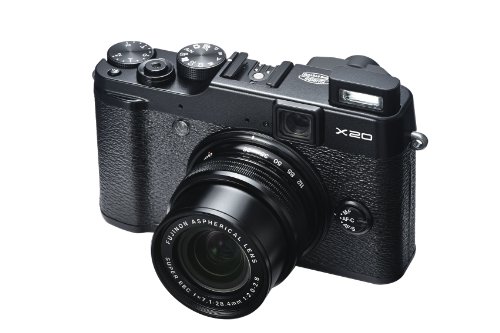
- Series X-Pro y X-E: Estas cámaras de estilo telemétrico con montura X destacan en fotografía callejera y documental discreta; la familia X-Pro es conocida por su visor híbrido óptico/electrónico y los cuerpos X-E por la sencillez compacta de sus objetivos intercambiables. Su ritmo de desarrollo es más lento que el de las líneas principales X-T/X-S, por lo que conviene comprobar la disponibilidad actual y el enfoque automático específico de cada generación.
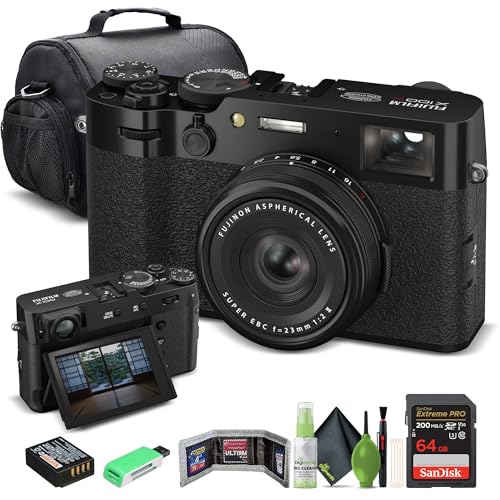
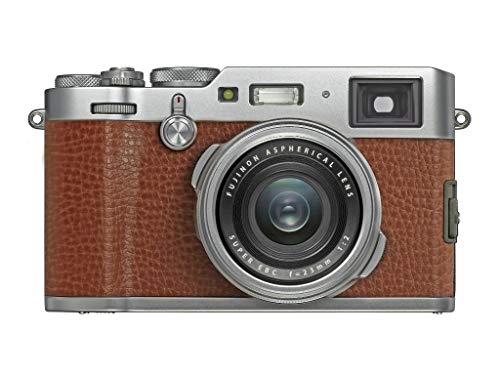
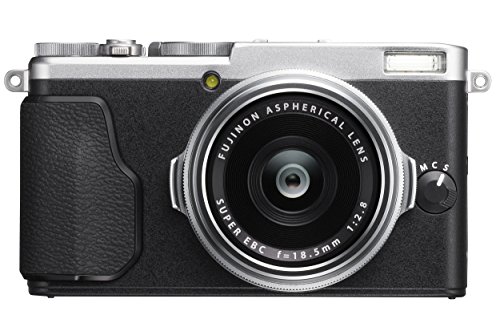
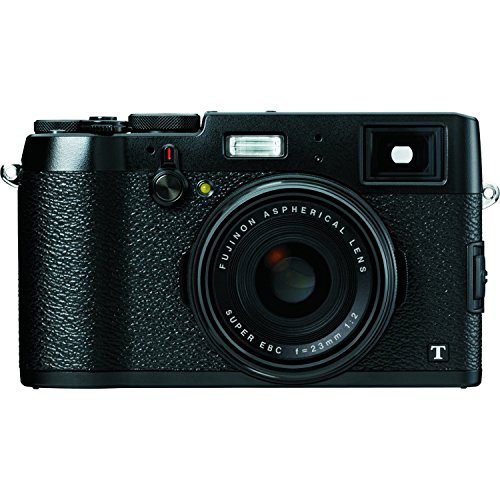
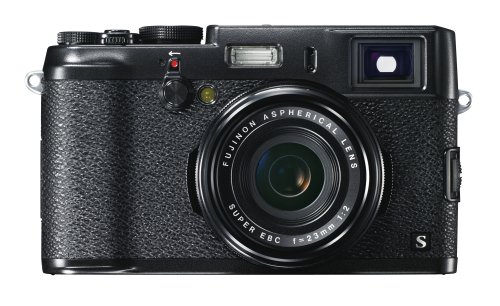
- Serie X100: X100VI combina un sensor APS-C de 40 MP con un objetivo fijo 23 mm f/2, que ofrece una visión equivalente a 35 mm, y añade IBIS al concepto de visor híbrido. Es ideal para fotografía callejera, viajes, documental y uso cotidiano cuando una sola distancia focal resulta suficiente, pero el objetivo no se puede cambiar y la disponibilidad puede afectar al valor.
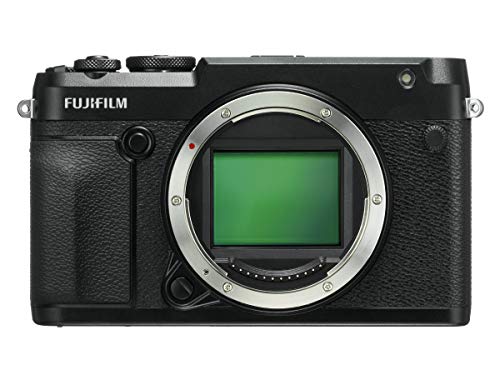
- GFX y GFX100RF: Los cuerpos GFX utilizan un sensor de formato medio de 44 × 33 mm y objetivos GF para retrato, estudio, paisaje, reproducción y trabajos comerciales de alta resolución. GFX100S II ofrece un diseño compacto de objetivos intercambiables, GFX100 II añade controles y velocidad profesionales y GFX100RF combina un sensor de la clase de 100 MP con un objetivo gran angular fijo en un cuerpo orientado a viajes.
- Familia Instax: Las cámaras Instax Mini, Square y Wide crean copias instantáneas físicas, mientras que los modelos digitales híbridos permiten seleccionar o editar imágenes antes de imprimirlas. Son productos sociales centrados en el resultado físico, no sustitutos de la calidad de imagen X o GFX, y el coste recurrente de los paquetes de película forma parte de la compra.
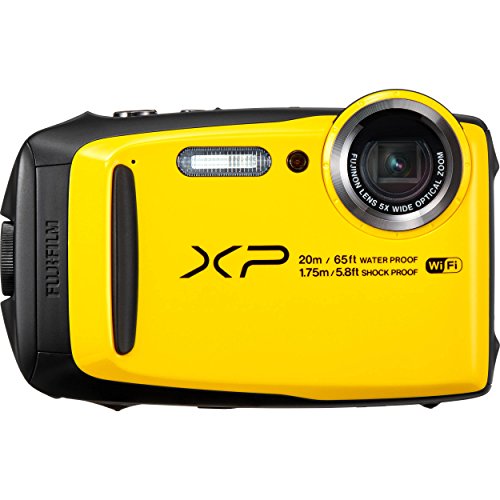
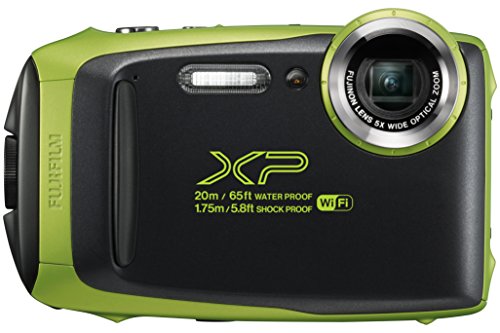
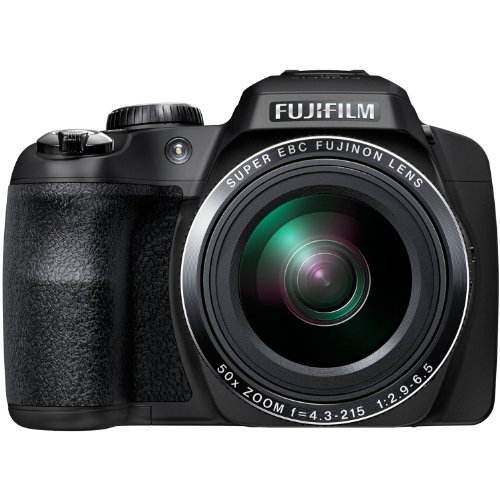
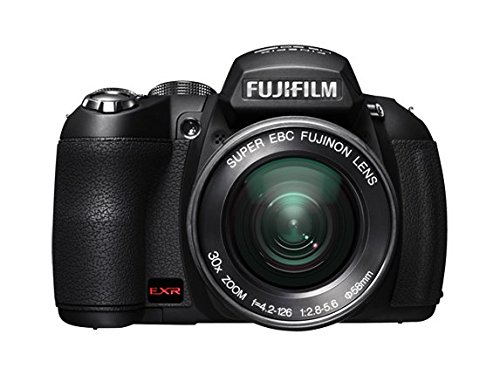
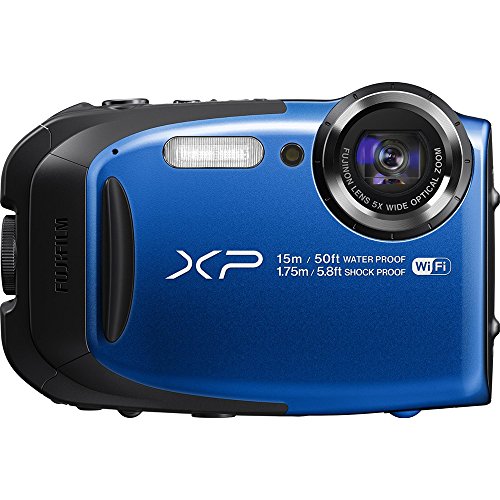
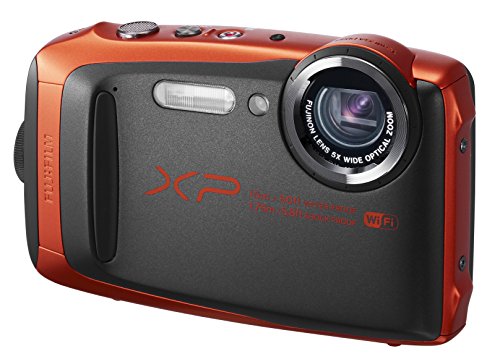
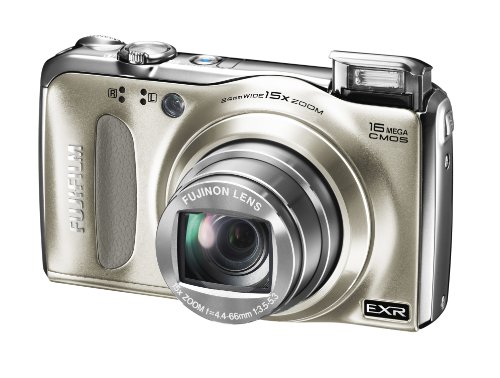
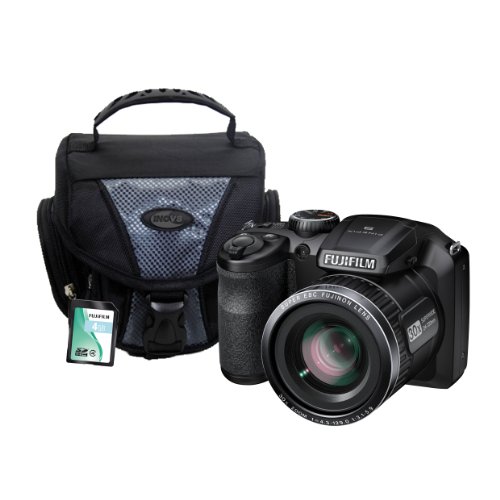
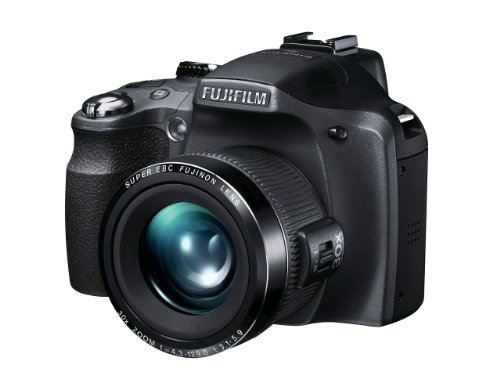
- Compactas FinePix y XP históricas: FinePix abarcó en su día cámaras de bolsillo, bridge superzoom, modelos EXR y productos especializados, mientras que los modelos XP daban prioridad al uso resistente y sumergible. La mayoría son ahora líneas históricas o descatalogadas y no deben utilizarse para juzgar el enfoque automático, los sensores, el soporte de software ni los precios actuales de X/GFX.
¿Cuánto cuestan las cámaras Fujifilm?
Las cámaras Fujifilm nuevas actuales suelen costar unos 90–6,800 €, pero este intervalo abarca cámaras instantáneas, cuerpos X APS-C, modelos premium de objetivo fijo y equipos GFX de formato medio que deben presupuestarse por separado.
Las cámaras Instax suelen costar unos 90–250 €, con el coste recurrente de los paquetes de película para cada copia. Los cuerpos actuales del sistema X se sitúan generalmente en unos 900–2,600 €: X-M5 y X-S20 están en la parte accesible, X-T50, X-T5, X100VI y X-H2 se agrupan alrededor de 1,500–1,900 €, y X-H2S con sensor apilado cuesta más por su velocidad y lectura.
X100VI cuesta unos 1,800 € con un objetivo fijo f/2 equivalente a 35 mm, mientras que GFX100RF ronda 5,500 € con un sensor de formato medio de la clase de 100 MP y un gran angular integrado. Como ninguna cambia de distancia focal, compáralas como cámaras completas. Los cuerpos GFX de objetivos intercambiables suelen costar 4,000–6,800 €, y los objetivos GF añaden desde unos 500 € hasta varios miles más. Los objetivos del sistema X abarcan desde fijos asequibles y zooms de kit hasta ópticas f/1.0 o con distintivo rojo por encima de 1,500–2,000 €. Las tarjetas rápidas, las baterías NP-W235, las empuñaduras, los accesorios de refrigeración y el almacenamiento para archivos grandes aumentan el coste de X-H y GFX.
¿Cómo se comparan las cámaras Fujifilm con los modelos Sony?
Las cámaras Fujifilm suelen ser la opción más distintiva por sus cuerpos APS-C compactos, controles físicos, Simulaciones de Película y fotografías de formato medio, mientras que Sony ofrece mejor seguimiento de sujetos, una selección de formato completo más amplia y un ecosistema de vídeo y objetivos más profundo. La mejor marca depende de si importa más la experiencia de captura o la amplitud del sistema.
La serie X de Fujifilm se centra en cámaras APS-C como las familias X-T, X-S, X-H y X100, mientras que GFX se dirige al formato medio de alta resolución. Sony abarca APS-C, Alpha de formato completo, ZV orientada a creadores, FX para cine y compactas premium, por lo que facilita el paso entre fotografía, acción y vídeo profesional sin cambiar de montura.
La mayoría de las cámaras Fujifilm X cuestan unos 900–2,600 €, mientras que los cuerpos Sony APS-C y de formato completo convencionales suelen abarcar 550–3,000 €. Los cuerpos Fujifilm GFX suben hasta unos 4,000–6,800 € y los buques insignia especializados de Sony pueden alcanzar 7,500 €; compara también los precios de los objetivos, porque un equipo Fujifilm APS-C compacto puede costar menos que un sistema Sony de formato completo equivalente.
¿Qué debes considerar al elegir la mejor cámara Fujifilm?
Ten en cuenta los siguientes puntos al elegir una cámara Fujifilm:
- Elige primero la familia de productos: Instax sirve para copias instantáneas, X100 y GFX100RF son cámaras digitales de objetivo fijo, los cuerpos de la serie X usan objetivos intercambiables con montura X y los cuerpos GFX emplean objetivos GF distintos. Estas categorías no comparten el mismo sensor, recorrido de objetivos, resultado ni presupuesto, por lo que no deben compararse como simples actualizaciones.
- Decide entre APS-C y formato medio: El APS-C de la serie X usa un factor de recorte del campo de visión de 1.5× y equilibra calidad de imagen con objetivos compactos, mientras que GFX emplea un sensor de 44 × 33 mm con un factor aproximado de 0.79× respecto a la notación de distancias focales de formato completo. GFX mejora la resolución y flexibilidad tonal, pero aumenta las exigencias de cuerpo, objetivos, archivos y enfoque; Fujifilm no ofrece una gama intermedia de formato completo.
- Relaciona la generación X-Trans con la lectura: Los cuerpos X-Trans CMOS 5 HR actuales usan sensores convencionales de unos 40 MP para obtener detalle, mientras que X-H2S emplea un sensor apilado de 26 MP para lograr velocidad y reducir el rolling shutter. Las generaciones anteriores de 24 o 26 MP todavía pueden producir imágenes excelentes, pero la detección de sujetos, las opciones de menú, los códecs y el procesamiento del enfoque automático difieren.
- Verifica el enfoque automático con el objetivo y sujeto previstos: Los cuerpos más recientes reconocen personas, animales, aves, coches, motocicletas, bicicletas, aviones y trenes, pero los sujetos disponibles y el comportamiento del seguimiento varían según el firmware y el modelo. Los objetivos XF antiguos con motores más lentos pueden no aprovechar el rendimiento de los últimos cuerpos, así que prueba el AF continuo, la detección de ojos, el comportamiento de la ráfaga y las transiciones de enfoque en el modo necesario.
- Comprueba el IBIS y el comportamiento del obturador: X-H2/X-H2S, X-T5, X-S20, X-T50, X100VI y los cuerpos GFX actuales ofrecen estabilización, mientras que X-M5 y muchos cuerpos compactos antiguos no. Para acción o vídeo, compara las velocidades de los obturadores mecánico y electrónico, el rolling shutter, el control del parpadeo, el blackout, la profundidad del búfer y si las ráfagas rápidas recortan o cambian el formato del archivo.
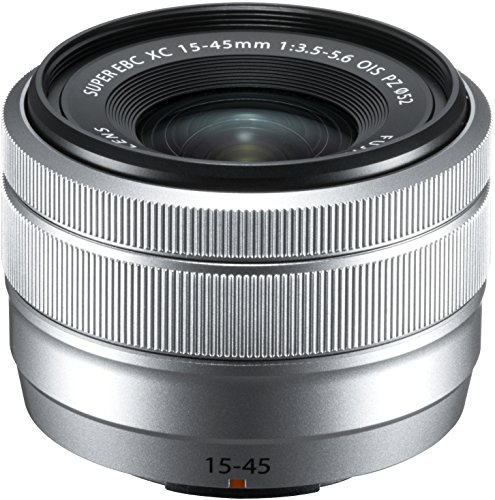
- Diseña el plan de objetivos correcto: Los objetivos XF están diseñados para la montura X APS-C, los objetivos GF para GFX y ninguna montura es intercambiable; los objetivos de X100 y GFX100RF están fijados permanentemente. Compara equivalencia focal, apertura, velocidad del motor lineal, estabilización óptica, sellado contra la intemperie, tamaño de filtro y peso total, incluidas las opciones de montura X de terceros cuando corresponda.
- Examina el modo de vídeo completo: Comprueba resolución, sobremuestreo, recorte, velocidad de fotogramas, profundidad de bits, códec, generación F-Log, duración de grabación, temperatura, tamaño de HDMI y requisitos de la tarjeta. X-H2/X-H2S admite exigentes flujos de alta resolución y ProRes, mientras que los cuerpos compactos pueden tener menor autonomía, menos conectores, lectura más lenta o carecer de monitorización con auriculares.
- Elige conscientemente los controles y el flujo de trabajo: Los diales de estilo X-T/X100 mantienen visibles los ajustes de exposición, los cuerpos PASM X-H/X-S son más rápidos para trabajo híbrido con modos personalizados y las disposiciones telemétricas X-Pro/X-E favorecen la fotografía discreta. Decide también si los JPEG con Simulación de Película, el procesamiento RAW, la compatibilidad con Capture One/Lightroom, la transferencia al móvil, el tipo de batería, las dos tarjetas y el almacenamiento de grandes archivos GFX/40 MP encajan en el flujo previsto.