¿Qué marcas fabrican las mejores cámaras para fotografía de aves?
Las mejores marcas de cámaras para fotografía de aves se clasifican a continuación:
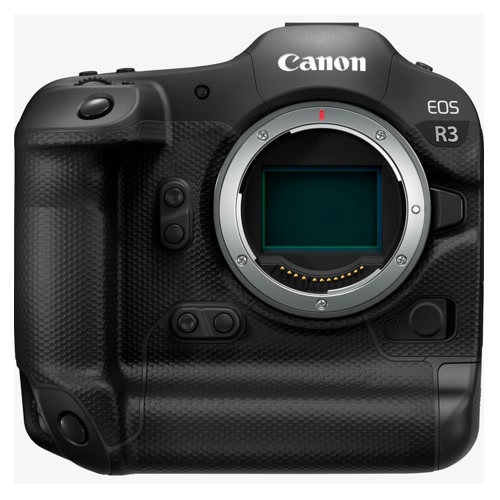
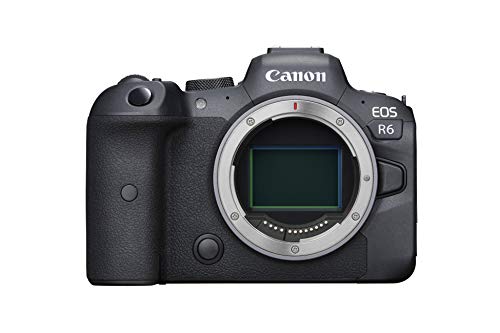
- Canon (Puntuación general media: 9)
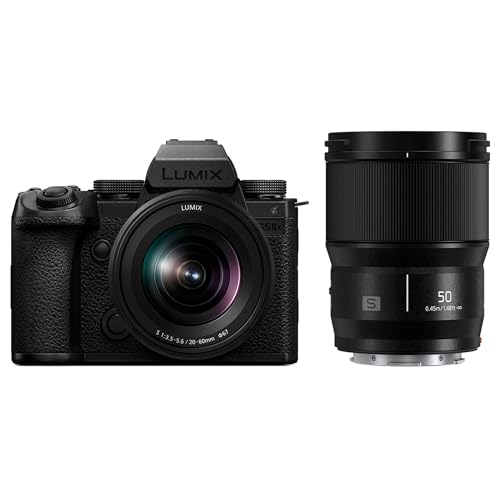
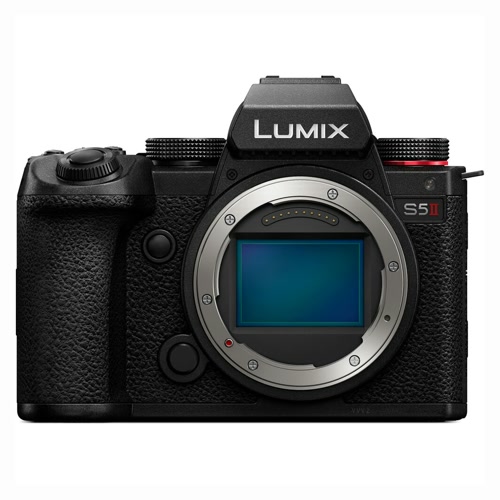
- Panasonic (Puntuación general media: 8.9)
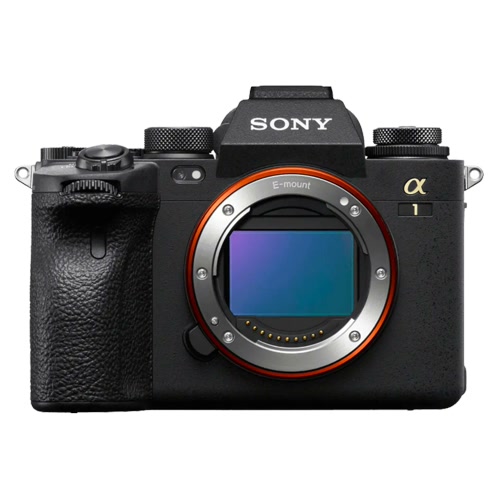
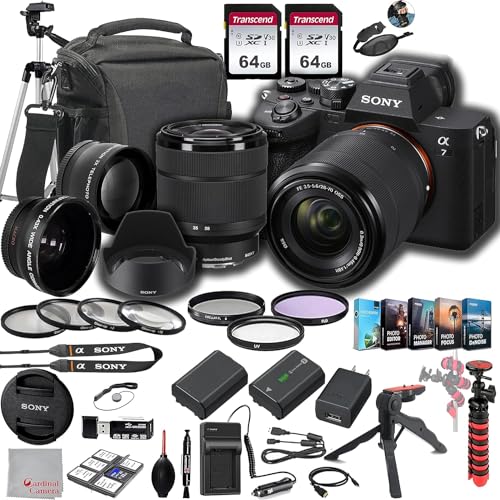
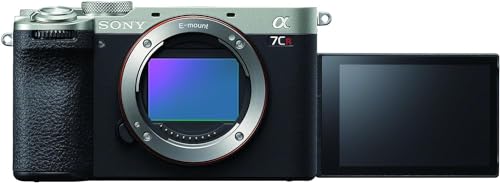
- Sony (Puntuación general media: 8.7)
El siguiente gráfico compara las marcas de cámaras para fotografía de aves según su puntuación general media.
[horizontal-chart-08115624476846595768105532464288457945121727013345]
¿Qué hace que una cámara sea adecuada para fotografía de aves?
Una cámara es adecuada para fotografía de aves cuando puede adquirir rápidamente un sujeto pequeño, mantener el enfoque durante movimientos erráticos y grabar una secuencia útil sin que el búfer se detenga en el momento decisivo. Una amplia cobertura de detección de fase y la detección de ojos de aves o animales resultan especialmente útiles cuando el ave ocupa poco espacio en el encuadre o se mueve entre ramas, sobre el agua o ante un follaje irregular.
El alcance y la flexibilidad de recorte deben equilibrarse con la captación de luz. Un campo de visión equivalente a 400–600 mm cubre muchas aves posadas y en vuelo, mientras que 20–33 MP dejan margen para un recorte moderado; un sensor más pequeño aumenta la densidad de píxeles y el alcance aparente, pero, con tecnologías comparables, los sensores más grandes suelen favorecer los valores ISO altos y la separación del fondo.
El cuerpo también necesita una empuñadura profunda, un visor nítido sin oscurecimiento o con un oscurecimiento mínimo, controles rápidos del área de enfoque automático y autonomía suficiente para largos periodos de observación. El sellado contra la intemperie, la estabilización, las opciones de obturador silencioso o electrónico y los botones personalizables adquieren valor en escondites o cuando hay que reaccionar al instante ante el despegue de un ave.
¿Qué importancia tiene el enfoque automático en una cámara para fotografía de aves?
El enfoque automático es fundamental para la fotografía de aves, porque estas son pequeñas, rápidas y suelen quedar parcialmente ocultas por ramas, juncos, olas u otros detalles de gran contraste. Un sistema que reconoce la cabeza o el ojo de un ave puede mantener el sujeto deseado con mayor fiabilidad que un modo genérico de área amplia, especialmente cuando el ojo solo ocupa unos pocos píxeles en el visor.
La cobertura y el comportamiento del seguimiento importan más que la cifra destacada de puntos de enfoque. Busca puntos de detección de fase en la mayor parte del encuadre, un cambio de sujeto ágil, sensibilidad de seguimiento ajustable y un área de enfoque automático que pueda reducirse lo suficiente para ignorar las ramitas del primer plano sin resultar difícil de colocar sobre un ave en vuelo.
Las aves en vuelo requieren enfoque automático continuo con el ajuste de ráfaga que se vaya a utilizar realmente. Algunas cámaras reducen las actualizaciones de seguimiento, la frecuencia de refresco del visor, la profundidad de bits o los cálculos de enfoque en sus modos más rápidos, así que comprueba el rendimiento a 8–20 fps en lugar de asumir que la velocidad máxima anunciada funciona sin limitaciones.
Los motores y la apertura del objetivo también influyen en el resultado. Los motores lineales o ultrasónicos rápidos responden mejor a cambios repentinos de distancia, mientras que un teleobjetivo f/4 o f/5,6 envía más luz al sistema de enfoque automático que un objetivo que alcanza f/8 en el extremo largo; un limitador de enfoque puede evitar que el objetivo recorra distancias cortas irrelevantes.
¿Qué alcance de objetivo es mejor para fotografía de aves?
Un campo de visión equivalente a 400–600 mm es el intervalo general más útil para fotografía de aves. Alrededor de 400 mm funciona bien con aves grandes, comederos cercanos y aves en vuelo, mientras que 500–600 mm llena el encuadre con mayor eficacia cuando los sujetos son pequeños o están lejos; un equivalente de 800 mm puede ayudar en humedales abiertos, pero dificulta encontrar y seguir un ave en movimiento.
El formato del sensor cambia el ángulo de visión, no la distancia focal física. Un objetivo de 300 mm encuadra aproximadamente como uno de 450 mm en un cuerpo APS-C con factor 1,5× y como uno de 600 mm en un cuerpo Micro Cuatro Tercios con factor 2×, lo que puede reducir el tamaño y el coste del objetivo; sin embargo, las cámaras de formato completo suelen ofrecer archivos más limpios con ISO alto y mayor margen cuando hay poca luz.
El alcance debe valorarse junto con la apertura, la estabilización, la distancia mínima de enfoque y el peso. Un zoom 100–500 mm o 200–600 mm ofrece flexibilidad cuando cambia la distancia al sujeto, mientras que una focal fija de 400 mm o 600 mm puede ser más luminosa o nítida, pero menos adaptable; los teleconvertidores añaden alcance a costa de luz y pueden reducir la velocidad o la cobertura del enfoque automático.
¿Qué importancia tiene el disparo en ráfaga en las cámaras para fotografía de aves?
El disparo en ráfaga es muy importante para las aves que despegan, aterrizan, se alimentan, luchan o cambian la posición de las alas, y 10–20 fps es un intervalo de trabajo útil para la mayor parte de la acción. El umbral de 8 fps resulta adecuado para comportamientos más lentos, pero las velocidades superiores aumentan la probabilidad de captar un ala abierta, un ángulo limpio de la cabeza o el momento en que el ojo queda visible.
El búfer determina cuánto dura esa velocidad. Una cámara que graba 15 fps pero solo admite 20 archivos RAW ofrece poco más de un segundo de disparo, mientras que un búfer de 60–100 fotogramas RAW permite una secuencia más larga; el tipo de tarjeta y la velocidad de escritura controlan la rapidez con la que la cámara vuelve a responder por completo.
Los obturadores mecánicos evitan muchas distorsiones de rolling shutter, pero producen sonido, desgaste y oscurecimiento del visor. Los obturadores electrónicos pueden ser silenciosos y mucho más rápidos, algo útil cerca de un escondite o un nido; sin embargo, una lectura lenta del sensor puede deformar las alas en movimiento o inclinar fondos verticales, y la iluminación artificial puede causar bandas.
Utiliza ráfagas cortas y deliberadas en lugar de mantener pulsado el obturador continuamente. Esto reduce los archivos duplicados, conserva la batería y el espacio del búfer y facilita la revisión, al tiempo que cubre la acción más probable; los modos de captura previa pueden guardar fotogramas de instantes anteriores a pulsar el obturador cuando un ave emprende el vuelo de forma imprevisible.
¿Cuánto importan el tamaño y el peso en las cámaras para fotografía de aves?
El tamaño y el peso importan mucho en fotografía de aves, porque el teleobjetivo suele dominar el equipo y debe transportarse, levantarse y seguir sujetos durante periodos prolongados. Un cuerpo sin espejo puede pesar 500–800 g, pero un zoom 100–500 mm o 200–600 mm puede añadir aproximadamente 1,4–2,2 kg; el equilibrio alrededor del pie del objetivo y una empuñadura profunda suelen importar más que ahorrar 100 g en el cuerpo.
Quienes fotografían a pulso se benefician de zooms más ligeros, una estabilización eficaz del objetivo y una correa o arnés cómodo, mientras que un monopié reduce el cansancio en escondites o puntos de observación fijos. Las rótulas de trípode deben moverse con suficiente suavidad para seguir el vuelo, y la combinación completa de cuerpo y objetivo debe caber por las ventanas del escondite y seguir siendo controlable al sentarse, arrodillarse o llevar guantes.
El siguiente gráfico compara la distribución del peso de las cámaras para fotografía de aves.
[vertical-chart-13882318296873989771106449299604209537001830228762]
¿Qué utilidad tiene el sellado contra la intemperie en las cámaras para fotografía de aves?
El sellado contra la intemperie resulta muy útil para fotografía de aves, porque las condiciones productivas suelen incluir escondites húmedos, llovizna, salpicaduras marinas, polvo, barro y amaneceres fríos. Un cuerpo sellado debe combinarse con un objetivo sellado y tapas cerradas correctamente; además, el sellado reduce el riesgo, pero no convierte el equipo en impermeable.
Los teleobjetivos largos tienen grandes superficies extensibles, interruptores, collares y juntas de montura que permanecen expuestos al entorno. Una funda de lluvia ajustada protege la combinación de cuerpo y objetivo durante precipitaciones prolongadas, mientras que un parasol profundo ayuda a mantener las gotas alejadas del elemento frontal; conserva los controles accesibles para que la protección no impida cambiar rápidamente el enfoque automático o la exposición.
La temperatura y la condensación también afectan al uso en exteriores. Las baterías pierden autonomía con el frío, y llevar un equipo frío a un ambiente cálido y húmedo puede provocar condensación; por tanto, mantén calientes las baterías de repuesto y deja que la bolsa cerrada alcance gradualmente la temperatura interior.
¿Cuánto cuestan las cámaras para fotografía de aves?
Las cámaras nuevas adecuadas para fotografía de aves suelen costar unos 900–4.000 € por el cuerpo, mientras que un conjunto práctico de cámara y teleobjetivo alcanza normalmente 1.700–6.000 €. Los cuerpos básicos de unos 900–1.500 € pueden ofrecer enfoque automático por detección de fase, detección de animales, ráfagas de 8–15 fps y el alcance del recorte APS-C, pero la profundidad del búfer, el comportamiento del visor, el sellado y el seguimiento del sujeto pueden ser menos constantes que en las gamas superiores.
Los cuerpos para aficionados avanzados de unos 1.500–3.000 € suelen añadir un mejor reconocimiento de ojos de aves, búferes más profundos, una lectura más rápida del sensor, dos ranuras para tarjetas, un sellado más resistente y más controles personalizables. Los cuerpos profesionales para deportes pueden costar 4.000–7.000 € o más, especialmente cuando los sensores apilados permiten altas velocidades de obturador electrónico con menos rolling shutter.
Los objetivos determinan buena parte del presupuesto final. Los zooms de consumo 100–400 mm o 150–600 mm suelen costar aproximadamente 700–1.800 €, los objetivos prémium 100–500 mm o 200–600 mm unos 1.500–3.000 €, y las focales fijas profesionales luminosas de 400–600 mm pueden costar 7.000–15.000 € o más; al comparar sistemas nuevos completos, incluye una batería de repuesto, una tarjeta de memoria rápida, una funda de lluvia, una correa o arnés y un monopié.
El siguiente gráfico muestra la distribución de precios de las cámaras para fotografía de aves.
[vertical-chart-04712442085961961940123336128903394259103624013079]