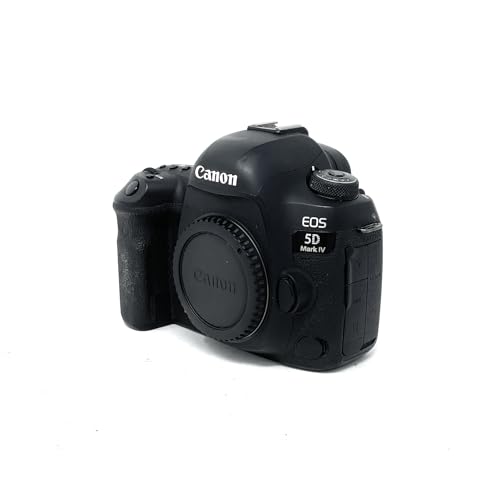
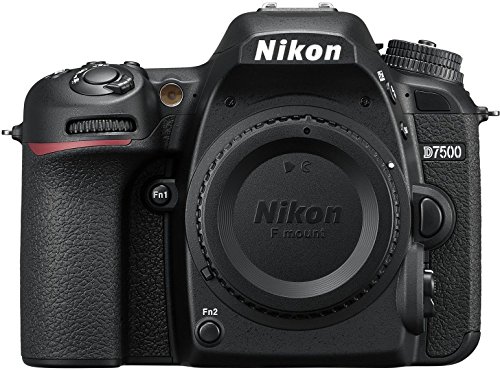
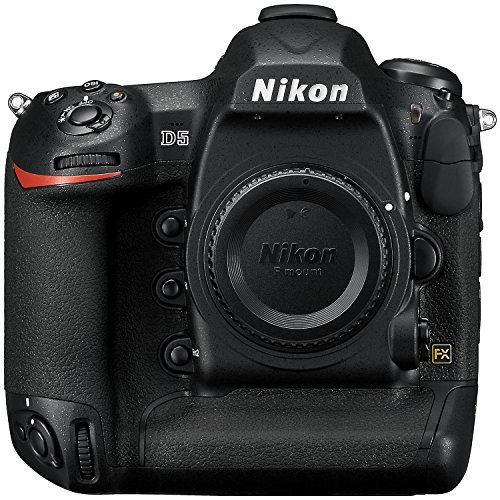
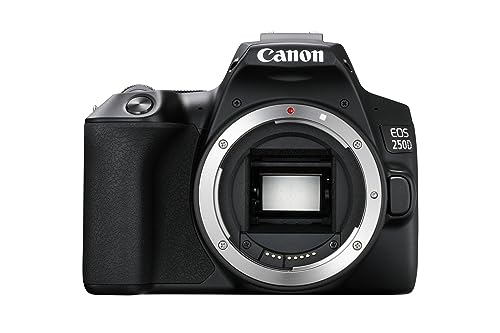
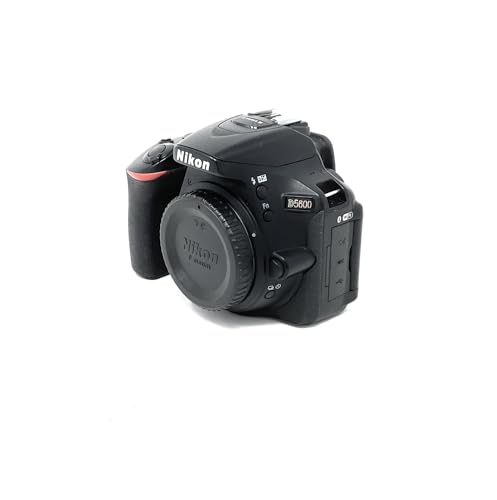
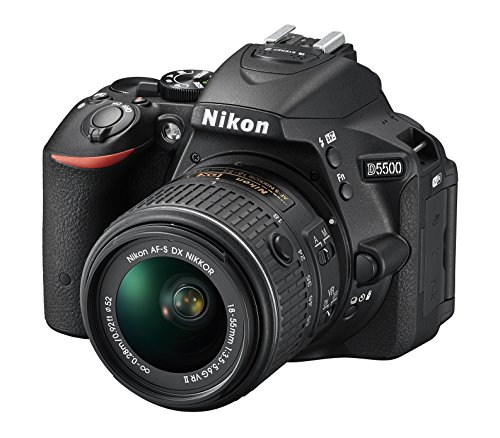
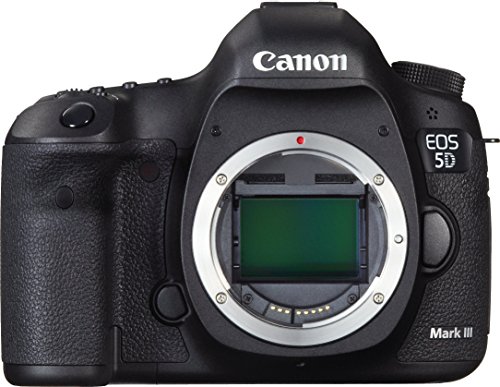
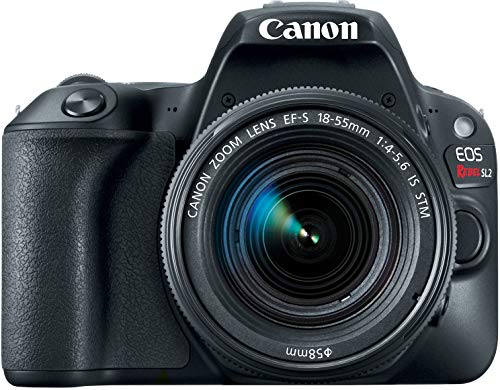
¿Qué marcas fabrican las mejores cámaras DSLR?
Las mejores marcas de cámaras DSLR se clasifican a continuación:
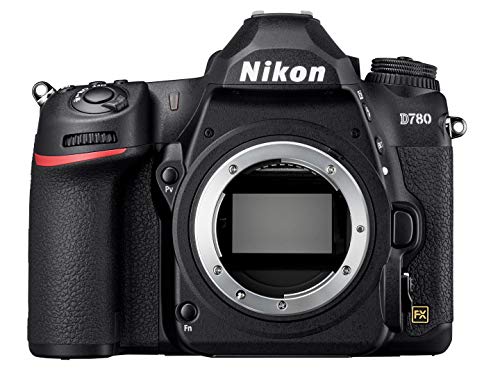
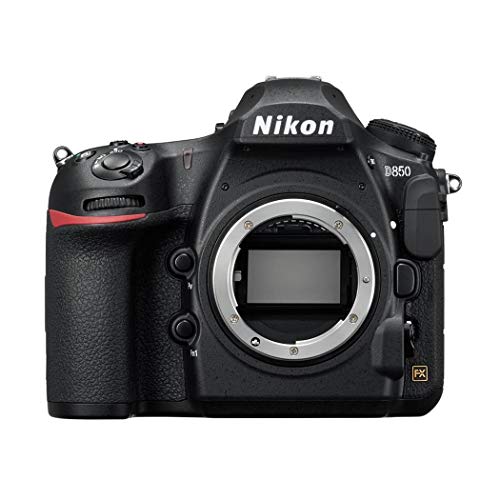
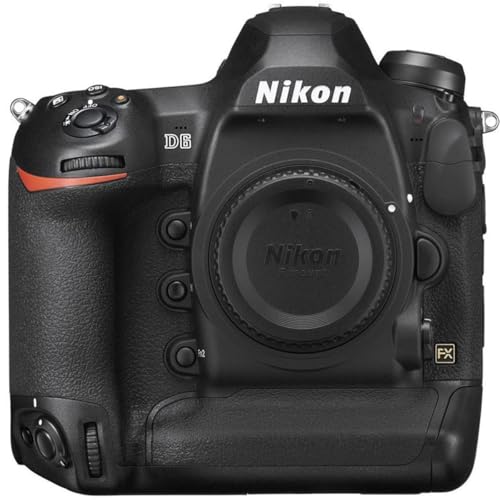
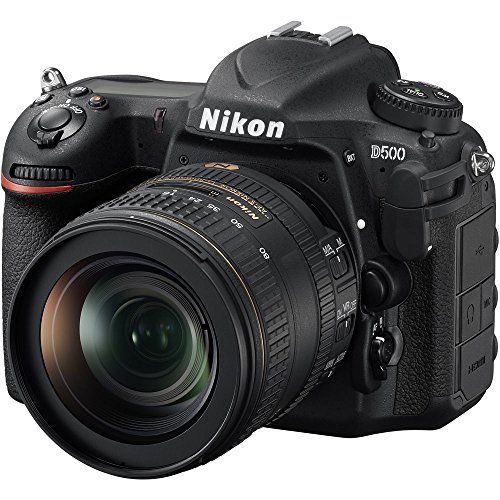
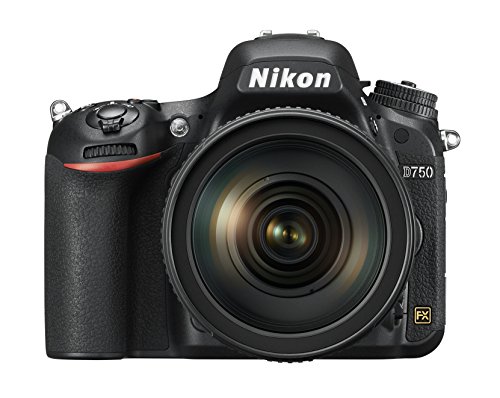
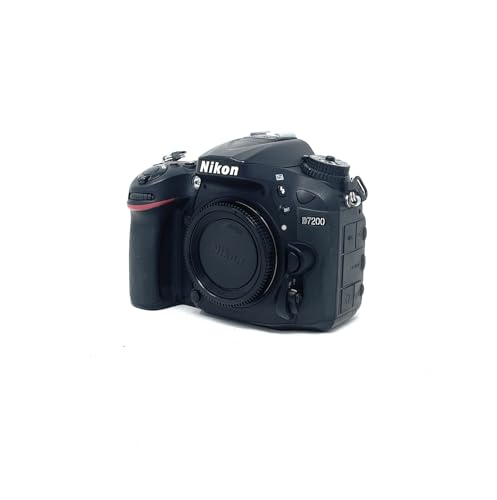
- Nikon (Puntuación general media: 6.9)
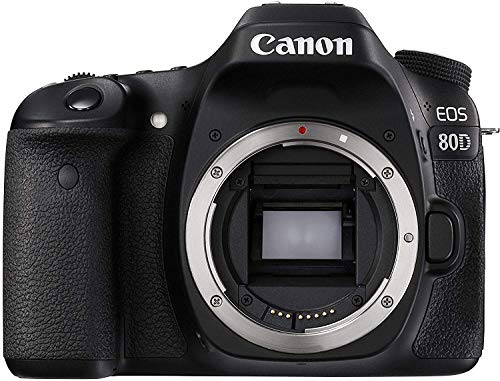
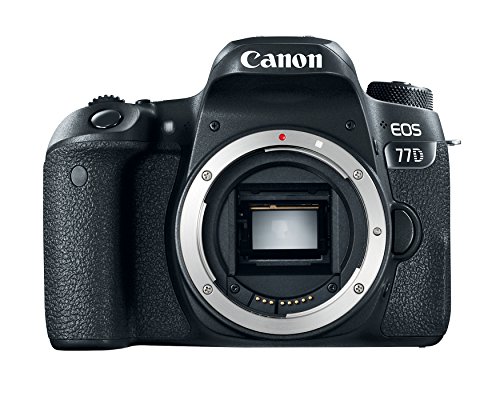
- Canon (Puntuación general media: 6.5)
- Pentax (Puntuación general media: 6.4)
El siguiente gráfico compara las marcas de cámaras DSLR según su puntuación general media.
[horizontal-chart-13002065455934528215030523656640594670531890459125]
¿Qué es una cámara DSLR?
Una cámara DSLR es una cámara digital de objetivos intercambiables que utiliza un espejo réflex para dirigir la luz del objetivo hacia un visor óptico. Cuando se acciona el obturador, el espejo sube, el obturador expone el sensor de imagen y el visor se oscurece brevemente.
La mayoría de las DSLR utiliza un sensor APS-C de aproximadamente 22.3 × 14.9 mm en los cuerpos Canon o de unos 23.5 × 15.6 mm en muchos cuerpos Nikon y Pentax; los modelos de fotograma completo usan un sensor de 36 × 24 mm. El módulo de autofoco de detección de fase independiente funciona normalmente cuando el espejo está bajado y proporciona un enfoque rápido por el visor sin alimentar continuamente una pantalla.
En visión en directo o modo de vídeo, el espejo permanece levantado y la pantalla trasera muestra la señal del sensor. El rendimiento depende entonces mucho del modelo: las cámaras con detección de fase en el sensor o Canon Dual Pixel CMOS AF pueden enfocar con suavidad, mientras que los sistemas antiguos de detección de contraste pueden buscar el enfoque o reaccionar lentamente.
¿En qué se diferencian las cámaras DSLR de las cámaras sin espejo?
Las cámaras DSLR se diferencian de las cámaras sin espejo principalmente porque utilizan un espejo réflex y un visor óptico, en lugar de mostrar una señal continua del sensor en un visor electrónico. El visor óptico de una DSLR no tiene retardo, consume muy poca energía al componer y muestra la escena de forma natural, pero no puede previsualizar la exposición, el balance de blancos ni los perfiles de imagen antes de la captura.
Los cuerpos sin espejo eliminan la caja del espejo, lo que permite monturas más cortas, cuerpos más pequeños, cobertura de autofoco en una parte mayor del encuadre y una detección de sujetos más sencilla tanto en foto como en vídeo. Sus visores electrónicos pueden ampliar el enfoque y previsualizar la exposición terminada, aunque consumen más batería y pueden mostrar retardo o ruido en condiciones muy oscuras.
La diferencia práctica depende del modelo. Una DSLR suele durar aproximadamente 600–1.600 disparos según la clasificación CIPA y se equilibra cómodamente con teleobjetivos largos, mientras que muchas cámaras sin espejo son más ligeras y mejores para detección de ojos, disparo silencioso, estabilización y vídeo moderno. Las DSLR siguen siendo atractivas para disparar con visor óptico y aprovechar colecciones de objetivos existentes, pero los sistemas sin espejo reciben ahora la mayor parte del desarrollo de nuevos cuerpos y objetivos.
La elección del objetivo puede pesar más que la diferencia del cuerpo. Pasar de Canon EF, Nikon F o Pentax K a una montura sin espejo puede requerir un adaptador o sustituir objetivos, así que compara el coste y la compatibilidad de autofoco del sistema completo, no solo las especificaciones del cuerpo.
¿Qué objetivos admiten las cámaras DSLR?
Las cámaras DSLR admiten objetivos intercambiables fabricados para su montura exacta, con Canon EF/EF-S, Nikon F y Pentax K entre los sistemas SLR digitales más habituales. El nombre de la montura por sí solo no basta: la cobertura del sensor, el motor de autofoco, el control de apertura, la estabilización y la generación del cuerpo pueden cambiar el funcionamiento completo de un objetivo.
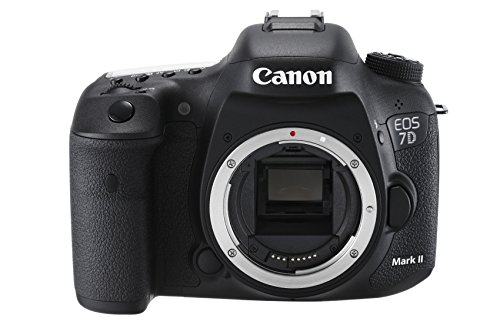
Las DSLR Canon EOS de fotograma completo admiten objetivos EF, pero no EF-S, porque las ópticas EF-S están diseñadas para cuerpos APS-C y proyectan un círculo de imagen más pequeño. Las DSLR Canon APS-C admiten objetivos EF y EF-S, con un factor de recorte de 1.6×; por tanto, un objetivo EF de 50 mm encuadra como uno de unos 80 mm en fotograma completo.
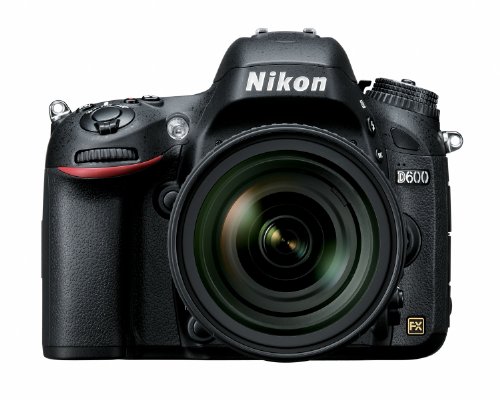
La compatibilidad de la montura Nikon F es más amplia, pero más complicada. Los objetivos DX son adecuados para las DSLR Nikon APS-C, mientras que los FX cubren cuerpos DX y de fotograma completo; una cámara de fotograma completo puede entrar en un modo recortado de menor resolución con un objetivo DX. Los antiguos objetivos AF y AF-D necesitan un cuerpo con motor por tornillo para el autofoco, y algunos objetivos AF-P o de apertura electrónica pierden funciones en cuerpos antiguos, así que consulta la tabla de compatibilidad específica de la cámara.
Las DSLR Pentax APS-C y de fotograma completo utilizan versiones de la montura K, descritas habitualmente como KAF o KAF2 en cuerpos digitales. Los objetivos DA están destinados principalmente a APS-C, mientras que FA y D FA suelen cubrir fotograma completo; muchos objetivos K antiguos pueden medir o disparar con enfoque manual, pero el control de apertura y el autofoco varían. Los objetivos de terceros de Sigma, Tamron, Tokina y otros deben coincidir tanto con la montura como con la generación electrónica necesaria.
¿Qué calidad de imagen ofrecen las cámaras DSLR?
La calidad de imagen de una buena DSLR es excelente y todavía puede satisfacer necesidades exigentes de aficionados o profesionales cuando el sensor, el objetivo, el enfoque y la exposición están bien combinados. Los modelos APS-C equilibran detalle y coste, mientras que los cuerpos de fotograma completo suelen conservar una textura más limpia con ISO alto y permiten menor profundidad de campo con el mismo encuadre y apertura.
La resolución suele oscilar entre unos 18–26 MP en cuerpos de entrada y gama media, con modelos de fotograma completo y alta resolución que alcanzan aproximadamente 36–51 MP. Más píxeles ayudan con impresiones grandes y recortes, pero también revelan con mayor facilidad la falta de nitidez del objetivo, la trepidación y los errores de enfoque; un archivo nítido de 24 MP puede verse mejor que uno de 45 MP mal enfocado.
Los sensores DSLR pueden ofrecer un amplio rango dinámico y archivos RAW flexibles, especialmente con el ISO base. A ISO 3200–6400, los modelos de fotograma completo más recientes suelen conservar más color y detalle fino que los cuerpos APS-C antiguos, aunque la generación y el procesamiento importan tanto como el formato. La apertura del objetivo y la estabilización suelen marcar la mayor diferencia práctica con poca luz.
La calibración del autofoco es una consideración específica de las DSLR porque el autofoco del visor utiliza un sensor separado. Si un objetivo enfoca de forma constante por delante o por detrás del sujeto, un cuerpo con ajuste fino de autofoco puede corregirlo; el enfoque en visión en directo puede ayudar a distinguir un error de calibración del desenfoque por movimiento o de un objetivo ópticamente débil.
¿Qué autonomía ofrecen las cámaras DSLR?
La autonomía de las cámaras DSLR suele ser muy buena, especialmente cuando las fotografías se componen a través del visor óptico. Muchos cuerpos para aficionados están clasificados para unos 600–1.600 disparos por carga, mientras que los modelos eficientes o profesionales pueden superar 2.000 disparos en condiciones de prueba CIPA.
La ventaja procede de no tener que alimentar continuamente un visor electrónico. La autonomía real puede superar la clasificación al disparar de forma constante con el visor, pero la visión en directo, el vídeo 4K, la revisión de imágenes, el Wi-Fi, el GPS, las bajas temperaturas y el uso frecuente del flash integrado pueden reducirla considerablemente.
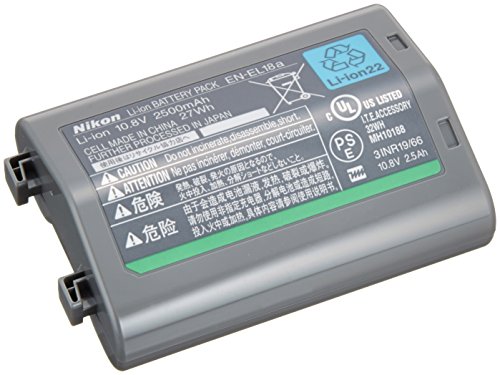
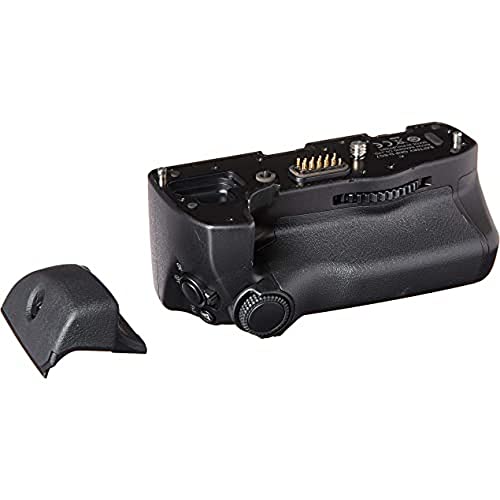
Compara las clasificaciones en el modo que realmente utilizarás. Una cámara clasificada para más de 1.000 disparos con visor puede ofrecer solo una fracción durante sesiones largas de vídeo o uso continuo de la visión en directo, y muchas DSLR antiguas no admiten carga USB. Para viajes o eventos, comprueba la disponibilidad de baterías, el tipo de cargador y si el cuerpo acepta una empuñadura de batería o un paquete profesional de mayor capacidad.
¿Cuánto cuestan las cámaras DSLR?
Los cuerpos DSLR nuevos suelen costar alrededor de 500–7.500 €, aunque la selección es más reducida que antes y muchas líneas antiguas solo están disponibles como existencias restantes. Los cuerpos APS-C de entrada y los kits básicos suelen situarse en torno a 500–1.000 €, mientras que los cuerpos APS-C más avanzados para aficionados y los de fotograma completo suelen acercarse más a 1.000–2.500 €.
Por encima de unos 2.500 €, el comprador paga por sensores de alta resolución, ráfagas más rápidas, búferes más profundos, mejor sellado contra la intemperie, módulos de autofoco prémium, dos ranuras para tarjetas o durabilidad profesional. Los cuerpos deportivos insignia pueden alcanzar unos 6.000–7.500 €, pero priorizan velocidad, fiabilidad y autonomía en lugar de la máxima resolución.
Presupuesta el sistema, no solo el cuerpo. Un zoom básico de kit 18–55 mm puede añadir relativamente poco, pero los zooms luminosos f/2.8, los grandes angulares de fotograma completo y los teleobjetivos largos para fauna pueden costar entre varios cientos y varios miles de euros cada uno. Confirma que los objetivos, las baterías, los flashes y el servicio de reparación deseados sigan estando disponibles para la montura elegida.
El siguiente gráfico muestra la distribución de precios de las cámaras DSLR.
[vertical-chart-06348812435022379841166013520395760233023370611982]
¿Qué debes comprobar antes de comprar una cámara DSLR?
Antes de comprar una cámara DSLR, ten en cuenta los siguientes factores:
- Formato y resolución del sensor: Los sensores APS-C Canon suelen medir unos 22.3 × 14.9 mm, la mayoría de los APS-C Nikon y Pentax unos 23.5 × 15.6 mm, y el fotograma completo 36 × 24 mm. APS-C proporciona un factor de recorte de 1.5× en Nikon o Pentax y alrededor de 1.6× en Canon, lo que ayuda a llenar el encuadre con sujetos lejanos; el fotograma completo suele ofrecer archivos más limpios con ISO alto y menor profundidad de campo. Unos 20–26 MP son adecuados para la mayoría de usos, mientras que 36–51 MP resultan más valiosos para impresiones grandes y recortes intensos, pero exigen objetivos más nítidos y una técnica más estable.
- Montura y compatibilidad de objetivos: Confirma la montura exacta, la cobertura del sensor y la generación de autofoco de cada objetivo que tengas previsto usar. Las DSLR Canon APS-C admiten objetivos EF y EF-S, pero los cuerpos Canon de fotograma completo solo aceptan EF; los cuerpos Nikon F dividen los objetivos en cobertura DX y FX, con límites de autofoco en algunas combinaciones AF, AF-D, AF-P y de apertura electrónica. Los cuerpos Pentax KAF2 admiten una amplia historia de la montura K, pero los objetivos DA, FA, D FA, de tornillo, SDM, con anillo de apertura y de enfoque manual no ofrecen todos las mismas funciones.
- Autofoco del visor y enfoque en visión en directo: Comprueba el número y la distribución de los puntos de detección de fase, cuántos son en cruz y la sensibilidad con poca luz; un grupo concentrado cerca del centro ofrece menos flexibilidad para sujetos descentrados. Los modelos de entrada pueden realizar un seguimiento adecuado para uso familiar, mientras que el deporte y la fauna se benefician de una cobertura más densa, mejor seguimiento de sujetos y ajuste fino del autofoco del objetivo. Prueba la visión en directo por separado, porque una DSLR antigua de detección de contraste puede enfocar mucho más despacio que a través del visor óptico.
- Velocidad de ráfaga y profundidad del búfer: Unos 5 fps son suficientes para acción ocasional, 7–10 fps constituyen un rango útil para aficionados y las DSLR orientadas al deporte pueden alcanzar aproximadamente 12–16 fps según los ajustes de espejo, enfoque y exposición. La cifra destacada solo importa si el búfer puede mantener suficientes fotogramas RAW o JPEG antes de ralentizarse. Comprueba si el autofoco continuo, RAW de 14 bits, la reducción del parpadeo o la visión en directo disminuyen la velocidad indicada y si la ranura admite UHS-II o soportes profesionales más rápidos.
- Tamaño, peso y manejo del cuerpo: Los cuerpos DSLR APS-C pequeños suelen pesar unos 450–600 g sin objetivo, los modelos para aficionados alrededor de 650–900 g y los cuerpos profesionales con empuñadura integrada en torno a 1.2–1.5 kg. Añade el objetivo previsto en lugar de comparar solo los cuerpos, porque un zoom f/2.8 o un teleobjetivo puede hacer irrelevante la ventaja de un cuerpo ligero. Comprueba la profundidad de la empuñadura, los diales de control, la pantalla superior, la colocación de los botones, la distancia ocular del visor y el equilibrio durante una sesión realista.
- Estabilización y configuración con poca luz: Las DSLR Canon y Nikon suelen depender de objetivos estabilizados marcados IS o VR, por lo que la estabilización desaparece al montar un objetivo sin estabilizar. Muchas DSLR Pentax ofrecen estabilización por desplazamiento del sensor que funciona con una gama más amplia de objetivos K, aunque la eficacia sigue variando con la distancia focal y la técnica. Verifica si la estabilización funciona durante el vídeo, si la detección de trípode es automática y si los objetivos necesarios son suficientemente luminosos para los sujetos previstos.
- Especificaciones de vídeo y pantalla: Muchas DSLR antiguas se limitan a 1080p, mientras que los modelos posteriores pueden ofrecer 4K/24–30 fps, a veces con recorte, autofoco limitado o un límite de tiempo de grabación. Comprueba si 4K utiliza todo el ancho del sensor, si el autofoco continuo es fiable y si están presentes la entrada de micrófono, salida de auriculares, HDMI limpio y pantalla táctil articulada. Una DSLR excelente mediante su visor óptico puede seguir siendo una mala elección para vídeo a pulso o vlogging frente a un cuerpo sin espejo moderno.
- Batería, tarjetas y conectividad: Un objetivo práctico para una DSLR es de unos 600–1.600 disparos según CIPA, con algunos cuerpos profesionales o especialmente eficientes que superan 2.000 disparos mediante el visor. La visión en directo, el vídeo, la transferencia inalámbrica, el GPS, el frío y la revisión frecuente de imágenes reducen esa cifra, y muchos cuerpos antiguos no pueden cargarse por USB. Confirma el tipo necesario de tarjeta SD, CompactFlash o CFexpress, si las dos ranuras pueden respaldar archivos y si siguen siendo compatibles las baterías de repuesto, mandos con cable, adaptadores Wi-Fi y programas de captura conectada.
- Longevidad del sistema y coste total: Varias gamas DSLR importantes reciben menos cuerpos y objetivos nuevos que sus sucesoras sin espejo, así que comprueba la disponibilidad actual de los objetivos, flashes, baterías, piezas de servicio y asistencia del fabricante que necesites. Un catálogo maduro puede hacer atractivos Canon EF, Nikon F o Pentax KAF2, pero la compra debe seguir basándose en un acceso fiable a equipo compatible y servicio. Compara el coste del kit completo con una alternativa sin espejo, incluidos adaptadores u objetivos que se sustituirían más adelante.