¿Son buenas las cámaras DSLR Canon?
Las DSLR Canon siguen siendo buenas para fotografía cuando el visor óptico, la larga autonomía, el manejo robusto y el ecosistema de objetivos EF/EF-S importan más que las últimas funciones sin espejo. Modelos como la 90D, la 5D Mark IV y la 1D X Mark III aún producen archivos profesionales, mientras que los cuerpos Rebel/xxxD y de dos dígitos, más pequeños, ofrecen controles sencillos y acceso a un catálogo de objetivos muy amplio.
El enfoque automático depende del modo de disparo. A través del visor óptico, las DSLR Canon emplean un módulo de detección de fase independiente, por lo que el número de puntos, la cobertura y el seguimiento varían mucho entre una Rebel básica y los cuerpos 7D, 90D, 5D o 1D. Los modelos posteriores con Dual Pixel CMOS AF enfocan sobre el sensor y ofrecen un seguimiento facial y un enfoque táctil más fluidos en visión en directo y vídeo, aunque disparar con la pantalla trasera resulta menos inmediato que con un visor sin espejo. Canon concentra ahora el desarrollo en RF: sus DSLR carecen de estabilización en el cuerpo y van por detrás de las EOS R en detección de sujetos y herramientas de vídeo. Son adecuadas para quienes desean un visor óptico o ya poseen objetivos EF.
¿Cuáles son las principales series de cámaras DSLR Canon?
Las principales series y modelos DSLR Canon son los siguientes:
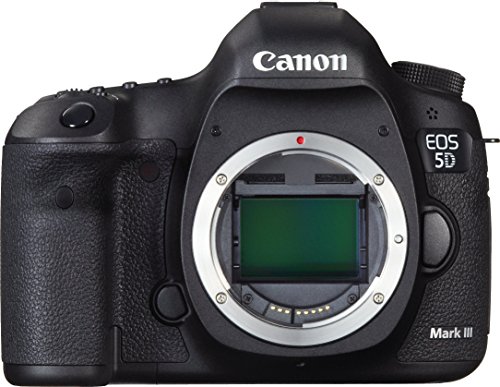
- EOS-1D y 1D X: Los cuerpos profesionales de acción de Canon combinan empuñaduras verticales integradas, baterías grandes, amplio sellado contra la intemperie, ráfagas rápidas, completos sistemas de control y sensores de formato completo en las generaciones 1D X posteriores. Modelos como la 1D X Mark II y Mark III se crearon para deportes, fauna y noticias, donde la fiabilidad y el seguimiento mediante visor óptico importan más que el tamaño.
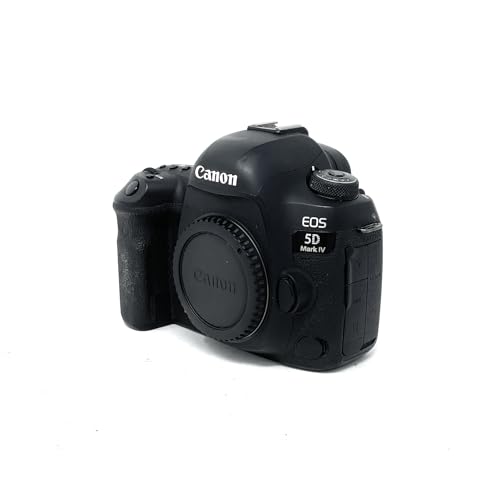
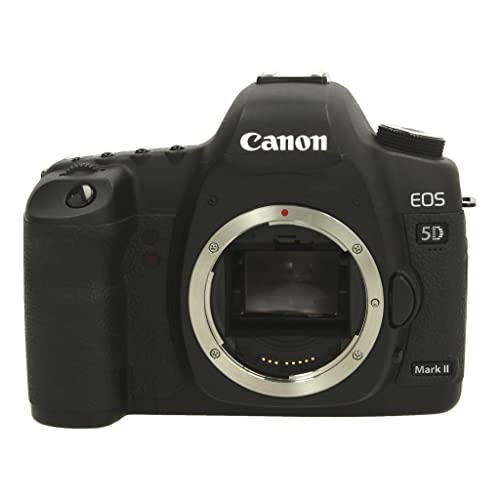
- EOS 5D y 5DS: La línea 5D de formato completo se convirtió en un estándar para bodas, retratos, trabajos comerciales y producción híbrida; la 5D Mark IV añadió Dual Pixel AF en visión en directo y grabación 4K. Las 5DS y 5DS R priorizan en cambio una resolución aproximada de 50 megapíxeles para estudio, paisaje y detalle, sacrificando algunas ventajas en ISO alto y velocidad.
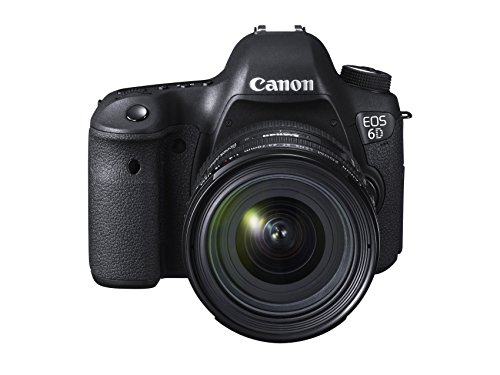
- EOS 6D: La 6D y la 6D Mark II son DSLR de formato completo más accesibles, con sistemas de enfoque y control más sencillos que los de la línea 5D. La 6D Mark II añade pantalla táctil totalmente articulada y Dual Pixel AF en visión en directo, por lo que resulta más cómoda para retratos y vídeo ocasional, pero la cobertura AF del visor y el diseño de una sola tarjeta siguen orientados a aficionados y no a eventos profesionales.
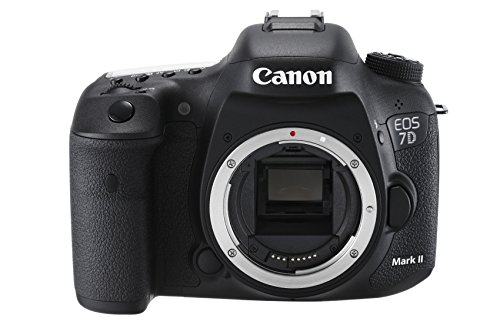
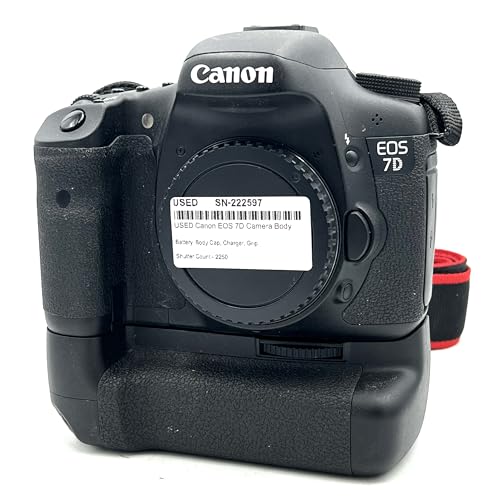
- EOS 7D y 90D: La familia 7D está orientada a la acción, con el alcance de APS-C, cuerpos robustos, enfoque rápido mediante visor y altas velocidades de ráfaga, mientras que la 90D más reciente combina un sensor APS-C de alta resolución con un enfoque más polivalente. La 90D es una de las DSLR Canon más completas para fauna, deporte y vídeo porque combina el disparo con visor óptico y una visión en directo Dual Pixel eficaz.
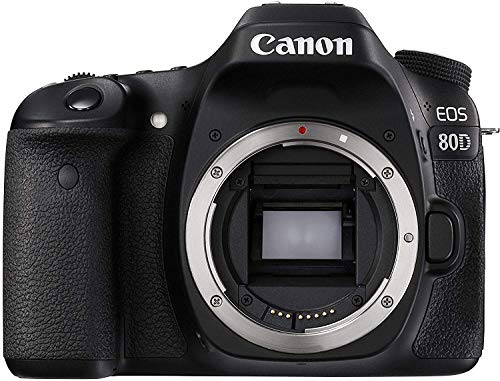
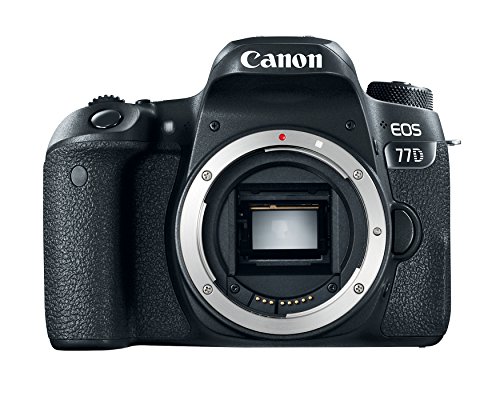
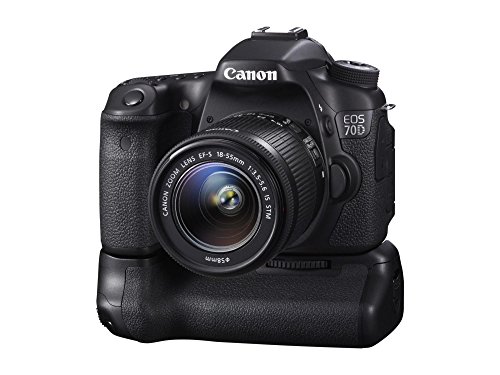
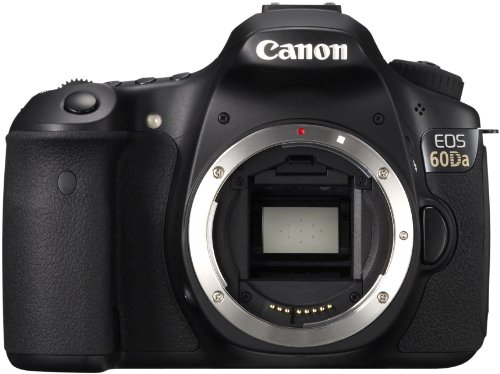
- Modelos EOS de dos dígitos: Cámaras como la 60D, 70D, 77D y 80D se sitúan entre las Rebel básicas y el nivel más especializado 7D/90D. Por lo general añaden mejores empuñaduras, más controles directos, pantallas articuladas y, en generaciones posteriores, Dual Pixel AF, por lo que las diferencias generacionales son mucho más importantes de lo que sugiere el patrón de nombres compartido.
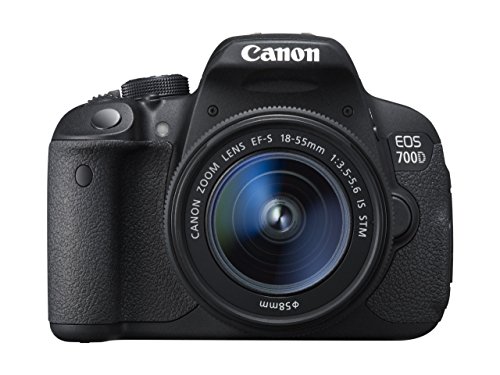
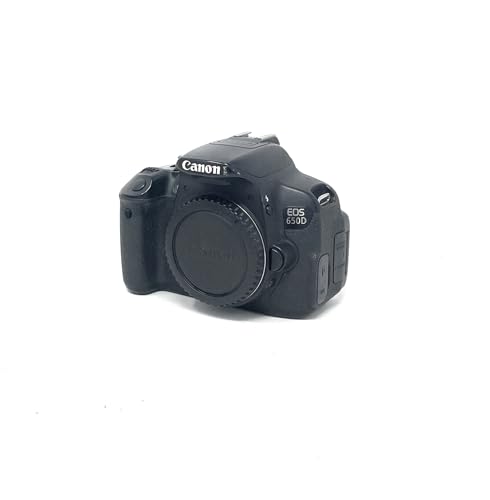
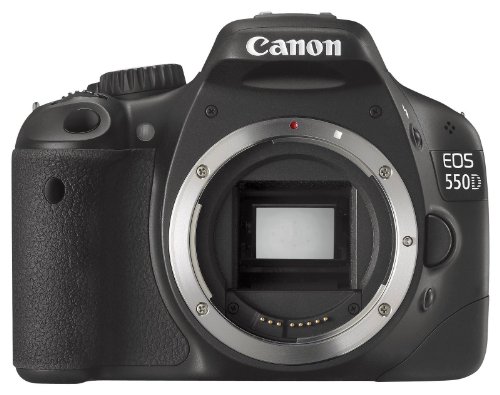
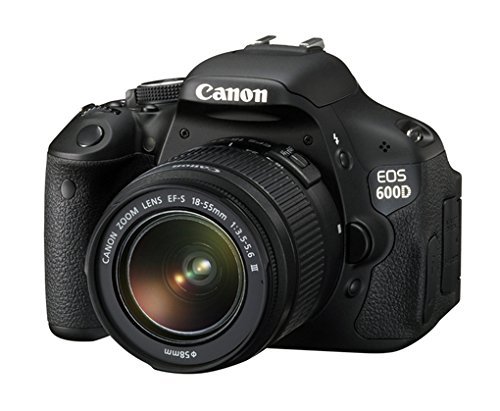
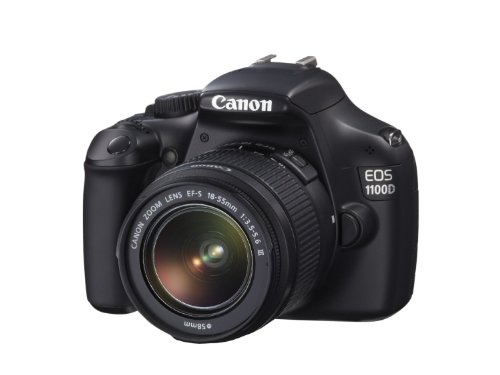
- Modelos Rebel, xxxD y xxxxD: Nombres como Rebel T7/T8i en Norteamérica corresponden a nombres EOS regionales de tres o cuatro dígitos, como 2000D, 850D o variantes relacionadas. Estas cámaras APS-C priorizan el precio y los controles guiados, pero los puntos de enfoque, la articulación de la pantalla, la compatibilidad con Dual Pixel, la profundidad de ráfaga y el vídeo varían considerablemente entre generaciones.
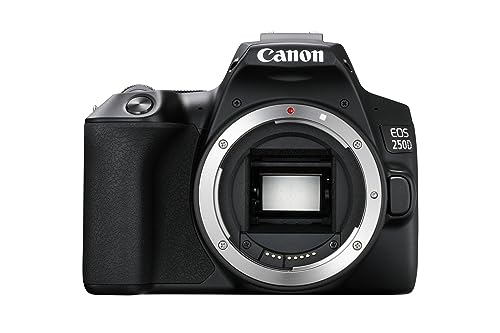
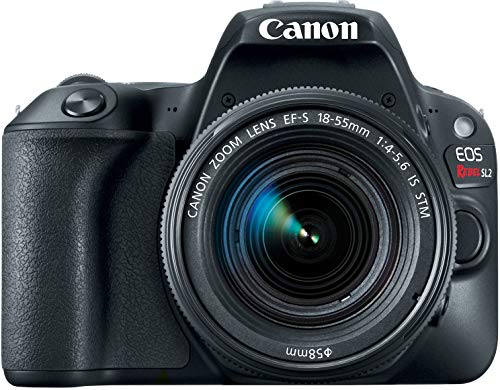
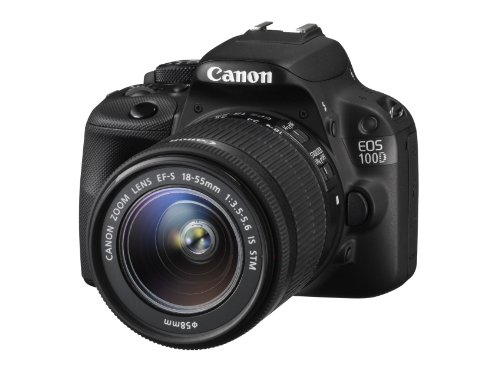
- EOS 100D, 200D y 250D: La rama compacta de DSLR Canon mantiene un visor óptico y montura EF/EF-S en un cuerpo notablemente pequeño. Los modelos posteriores añaden pantallas táctiles articuladas y mejor enfoque en visión en directo, por lo que resultan atractivos para viajar y aprender, aunque sus baterías pequeñas, controles simplificados y AF básico mediante visor los diferencian de cámaras para aficionados avanzados de mayor tamaño.
¿Cuánto cuestan las cámaras DSLR Canon?
Canon ya no ofrece una amplia gama DSLR en desarrollo activo, pero las existencias nuevas restantes suelen abarcar unos 400–7.000 €, según el modelo y la región. La disponibilidad es irregular porque las cámaras sin espejo EOS R han sustituido a las DSLR en la gama actual de Canon, así que una DSLR nueva debe compararse con un cuerpo EOS R y un adaptador por el mismo precio total.
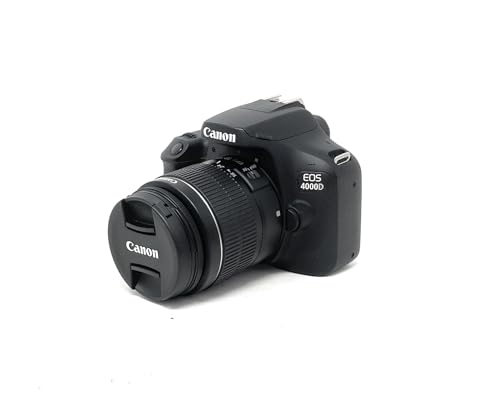
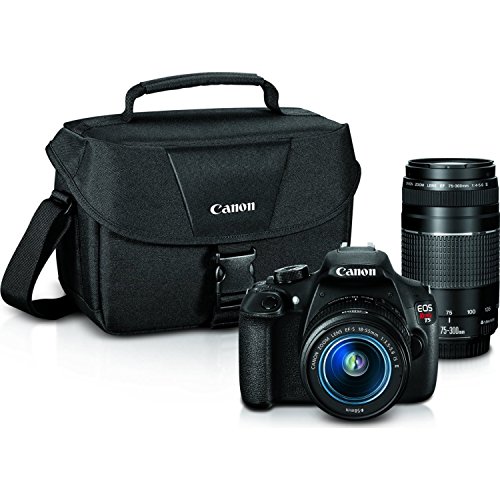
Los kits básicos restantes, como los paquetes 2000D/4000D o de la compacta clase 250D, pueden aparecer por unos 400–800 €, mientras que un kit Rebel/850D posterior puede situarse en 800–1.100 €. Estos niveles suelen incluir un zoom EF-S de kit, pero la articulación de la pantalla, el Dual Pixel AF en visión en directo, los puntos de enfoque del visor, la velocidad de ráfaga y la implementación de 4K difieren lo suficiente para que el cuerpo más barato no sea automáticamente la mejor cámara para aprender.
Las existencias para aficionados avanzados, como la 90D, pueden costar unos 1.100–1.600 €, mientras que los cuerpos 6D Mark II o 5D Mark IV restantes pueden oscilar aproximadamente entre 1.500 € y 3.000 €. Las existencias profesionales de la 1D X Mark III pueden acercarse a 6.000–7.000 €, punto en el que conviene compararlas directamente con una alternativa actual de clase R3 o R1. Presupuesta el equipo completo: los zooms EF-S y objetivos fijos EF compactos pueden sumar unos cientos de euros, los zooms profesionales f/2.8 de la serie L cuestan habitualmente 1.500–3.000 € y los teleobjetivos largos pueden superar 10.000 €. Los objetivos EF se adaptan a cuerpos EOS R, pero los EF-S aplican un recorte APS-C en cámaras RF de formato completo, por lo que la compatibilidad influye mucho en el valor a largo plazo.
¿Cómo se comparan las DSLR Canon con los modelos DSLR Nikon?
Las DSLR Canon suelen ser mejores en enfoque automático para visión en directo y vídeo en las generaciones equipadas con Dual Pixel, mientras que Nikon ofrece a menudo mayor flexibilidad RAW con ISO bajo y varios cuerpos excepcionales para fotografía. El enfoque mediante visor óptico puede ser excelente en ambas marcas, por lo que la generación concreta importa más que el logotipo.
La compatibilidad Canon EF es relativamente sencilla, mientras que la automatización de la montura Nikon F varía más según el cuerpo y la generación del objetivo. En la categoría avanzada, compara la Canon 90D o 7D Mark II con la Nikon D7500 o D500; en formato completo, la línea Canon 5D compite con las Nikon D750/D780/D850 en cobertura de enfoque, profundidad de ráfaga, resolución y comportamiento en visión en directo.
Las existencias nuevas restantes de DSLR Canon suelen ir desde unos 400 € por un kit básico hasta unos 3.000 € por cuerpos de formato completo avanzados, y el inventario profesional cuesta mucho más; las existencias Nikon comparables son igual de irregulares. Como ambas marcas priorizan ahora el desarrollo sin espejo, compara cualquier conjunto DSLR con un kit EOS R o Nikon Z actual al mismo precio total de cuerpo y objetivo.
¿Qué debes tener en cuenta al elegir la mejor cámara DSLR Canon?
Considera los siguientes puntos al elegir una cámara DSLR Canon:
- Decide deliberadamente si quieres una DSLR: El sistema activo de Canon es el RF sin espejo, mientras que las DSLR EF son una plataforma madura sin expectativas de una amplia hoja de ruta de cuerpos nuevos. Elige una DSLR porque el visor óptico, la autonomía, el manejo o tus objetivos EF tienen un valor real, no solo porque las especificaciones del cuerpo parezcan baratas.
- Combina correctamente EF y EF-S: Las DSLR Canon de formato completo aceptan objetivos EF, pero no EF-S, cuyo diseño trasero está pensado para cuerpos APS-C. Las DSLR APS-C aceptan ambos; un objetivo EF mantiene su distancia focal, pero ofrece un campo visual equivalente a cerca de 1,6× más largo debido al sensor más pequeño.
- Separa el AF del visor del AF en visión en directo: El visor óptico usa un módulo dedicado de detección de fase, así que comprueba número de puntos, puntos en cruz, cobertura, sensibilidad con poca luz y generación de seguimiento. La visión en directo usa el sensor de imagen; los cuerpos Dual Pixel posteriores siguen caras y enfocan con fluidez, mientras que los modelos antiguos o económicos pueden ser mucho más lentos.
- Comprueba el sensor y la generación: APS-C ofrece un alcance útil para fauna y deporte, mientras que el formato completo controla mejor la poca profundidad de campo y la calidad con ISO alto. La resolución no basta: compara rango dinámico RAW, generación del procesador, diseño del filtro antialiasing y si la cámara alcanza su mejor rendimiento con la ráfaga necesaria.
- Compara conjuntamente ráfaga y búfer: Una frecuencia alta solo sirve si el AF del visor continúa siguiendo y el búfer contiene suficientes fotogramas RAW o JPEG para la secuencia. Comprueba también tipo y velocidad de tarjeta, porque una interfaz antigua puede dejar la cámara escribiendo archivos mucho después de la ráfaga.
- No des por sentada la estabilización del cuerpo: Las DSLR Canon no incorporan estabilización por desplazamiento del sensor, así que a pulso depende de un objetivo IS o de un soporte como trípode o gimbal. Confirma que el objetivo concreto esté estabilizado, sobre todo para teleobjetivo, poca luz y vídeo.
- Revisa los detalles de vídeo y visión en directo: Comprueba resolución y frecuencia máximas, recorte, disponibilidad de Dual Pixel, tomas de micrófono y auriculares, articulación de pantalla, duración de grabación y códec. Un modelo que enfoque bien fotografías desde la pantalla trasera aún puede tener 4K recortado, frecuencias limitadas o menos herramientas de exposición y monitorización que una cámara sin espejo actual.
- Compara manejo y protecciones: Los modelos grandes añaden empuñaduras profundas, pantallas superiores, joysticks, mejor sellado, baterías mayores, dos ranuras y más controles directos. Estas funciones pueden importar más que una pequeña diferencia de sensor en bodas, deportes, viajes o sesiones largas donde un error operativo tiene un coste real.
- Confirma la asistencia y la vía de actualización: Comprueba firmware Canon, servicio autorizado, baterías, cargadores, flashes, conexiones remotas y disponibilidad de objetivos EF esenciales en tiendas normales. Los objetivos EF pasan a EOS R mediante adaptador, pero los EF-S fuerzan un recorte APS-C en cuerpos RF de formato completo, así que planifica la transición antes de ampliar el equipo.