¿Qué marcas fabrican las mejores cámaras con un buen zoom?
Las mejores marcas de cámaras con un buen zoom se clasifican a continuación:
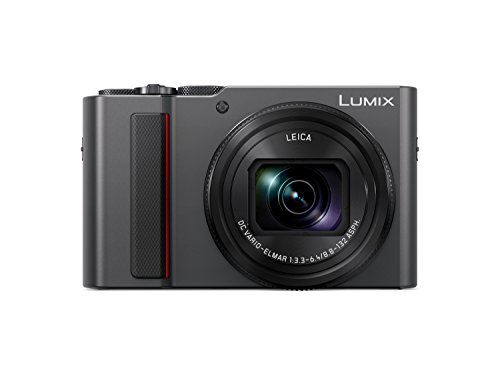
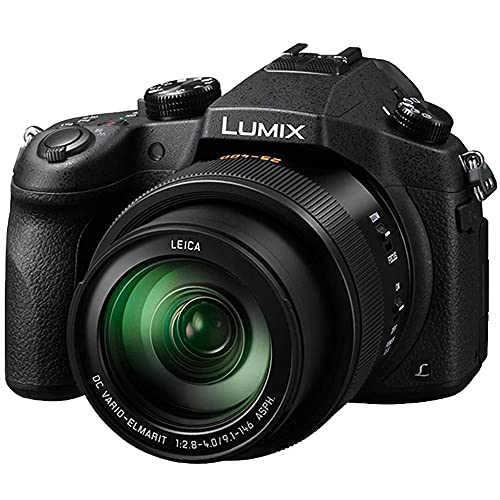
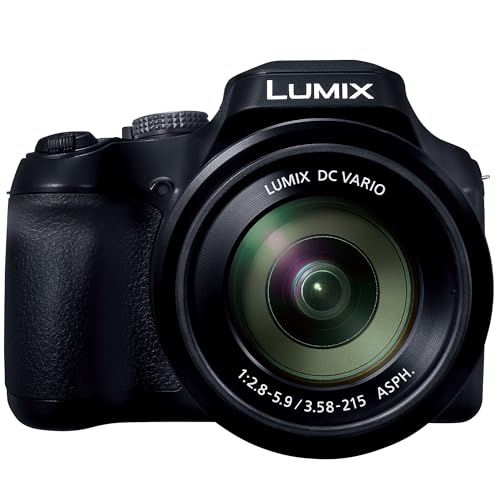
- Panasonic (Puntuación general media: 5.8)
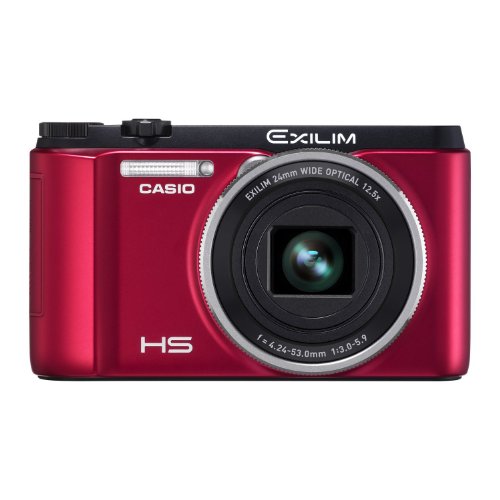
- Casio (Puntuación general media: 5.4)
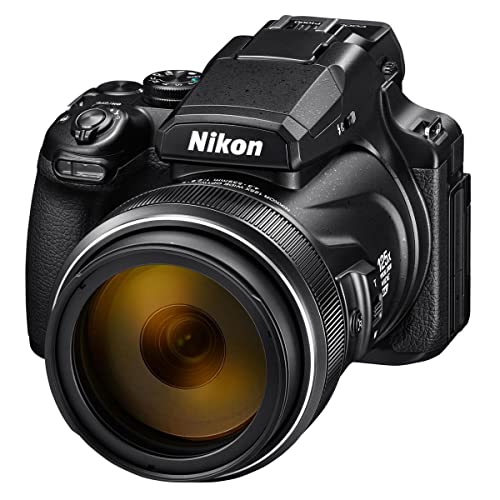
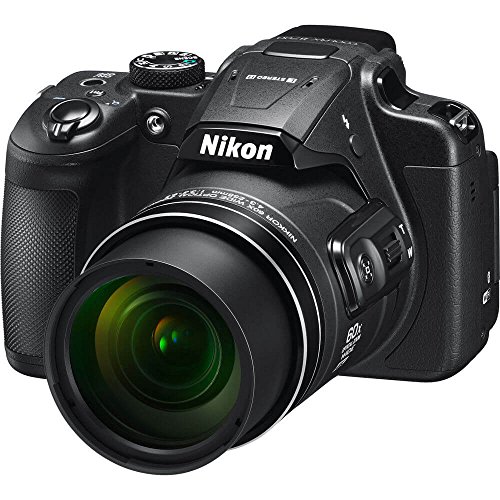
- Nikon (Puntuación general media: 5.4)
El siguiente gráfico compara las marcas de cámaras con buen zoom según su puntuación general media.
[horizontal-chart-05241679553526715196148538584749595630742346181094]
¿Qué hace que merezca la pena comprar una cámara con un buen zoom?
Una cámara con un buen zoom merece la pena cuando los sujetos lejanos son esenciales en las fotografías y llevar varios objetivos intercambiables resultaría incómodo. Los viajes, la fauna, los aviones, los deportes al aire libre, los conciertos y los detalles arquitectónicos se benefician de un alcance óptico real, sobre todo cuando el objetivo comienza en torno a 24–28 mm equivalentes y supera los 240–300 mm.
La cámara debe seguir siendo práctica en el extremo más largo. Comprueba la apertura máxima, la estabilización, la velocidad del enfoque automático, el visor y si la calidad de imagen se vuelve suave o demasiado procesada. Un objetivo 10× que cubra 24–240 mm puede ser más útil que uno 30× que empiece en 28 mm si importan los interiores amplios y los paisajes.
Las cámaras con zoom también resultan atractivas como sistemas autónomos: una batería, un sensor y ningún cambio de objetivo bajo el polvo o la lluvia. Son menos convincentes cuando la calidad con poca luz, la escasa profundidad de campo o el seguimiento de la acción más rápida importan más que el alcance; en ese caso puede ser preferible un sistema con un sensor mayor y un teleobjetivo más corto pero más luminoso.
¿Cuánto zoom óptico resulta útil en una cámara con un buen zoom?
Un zoom óptico de aproximadamente 10×–20× resulta útil para la mayoría de las fotos de viajes y familiares, mientras que 20×–40× proporciona más alcance para fauna, aviones y eventos al aire libre. Las relaciones superiores a 50× son herramientas especializadas para sujetos muy lejanos y exigen buena luz, una técnica cuidadosa y expectativas realistas sobre la bruma atmosférica.
La distancia focal equivalente explica más que la relación de zoom. Un objetivo de 24–240 mm es 10× y abarca desde escenas amplias hasta un teleobjetivo útil; uno de 35–350 mm también es 10×, pero resulta mucho menos práctico en interiores o para paisajes. Para aves y deportes lejanos, un extremo largo de unos 600 mm equivalentes es un objetivo razonable, mientras que los ajustes equivalentes a 1000–3000 mm son útiles principalmente para sujetos pequeños y distantes con mucha luz.
Un zoom mayor no garantiza más detalle resuelto. La nitidez del objetivo, la resolución del sensor, la estabilización, el enfoque automático, la velocidad de obturación y la calidad del aire determinan si el aumento adicional se puede aprovechar. Compara imágenes de muestra cerca del extremo teleobjetivo y comprueba si la cámara puede enfocar y mantener un encuadre estable en esa posición.
¿Cuáles son las principales limitaciones de las cámaras con un buen zoom?
Las principales limitaciones de las cámaras con un buen zoom son las siguientes:
- Sensores pequeños: Los objetivos con zoom extremo suelen combinarse con sensores de 1/2,3 pulgadas para mantener un tamaño y un precio razonables. Esto reduce la calidad con poca luz y el rango dinámico frente a las cámaras con sensor de 1 pulgada o de objetivos intercambiables.
- Aperturas poco luminosas en teleobjetivo: Un objetivo puede empezar cerca de f/2,8–3,5, pero cerrarse a f/5,9–6,5 o incluso más en el extremo del zoom. Un ISO más alto o una velocidad de obturación más lenta reducen entonces el detalle fino.
- Trepidación de la cámara: Los movimientos mínimos se amplifican a 600 mm equivalentes y más allá. La estabilización ayuda, pero siguen siendo importantes una postura estable, un visor y, en ocasiones, un monopié o un trípode.
- Adquisición lenta del sujeto: Un zoom largo puede dificultar la localización dentro del encuadre de un ave, un deportista o un avión en movimiento. Un botón de ayuda al zoom, un visor con buena respuesta y un área de enfoque automático adecuada mejoran la facilidad de uso.
- Distorsión atmosférica: La reverberación del calor, la humedad, la bruma y el polvo suavizan los sujetos lejanos, con independencia de la calidad del objetivo. Las focales muy largas son más eficaces sobre trayectos de aire cortos y en condiciones frescas y despejadas.
- Bordes más suaves y correcciones: Los grandes rangos de zoom exigen compromisos ópticos, y las cámaras pueden recurrir a correcciones de distorsión, aberración cromática y nitidez. Examina el detalle en los ajustes gran angular, intermedio y teleobjetivo.
- Volumen o mal equilibrio: Las cámaras bridge pueden acercarse al tamaño de una réflex pequeña, mientras que los zooms de bolsillo pueden tener empuñaduras poco profundas. Las especificaciones del objetivo deben valorarse junto con la comodidad de transporte y la estabilidad.
¿Qué calidad de imagen ofrecen las cámaras con un buen zoom?
La calidad de imagen de las mejores cámaras con buen zoom es alta a la luz del día y puede seguir siendo buena en focales teleobjetivo moderadas, pero un alcance extremo deja al descubierto los límites del sensor, la apertura y la atmósfera. La mayoría de las compactas con zoom largo usan un sensor de 1/2,3 pulgadas de unos 12–20 MP, mientras que los modelos prémium con sensor de 1 pulgada sacrifican parte de la relación de zoom a cambio de archivos más limpios y un mejor rango tonal.
En gran angular y con el ISO base, incluso un modelo con sensor pequeño puede producir imágenes de viaje nítidas e impresiones de tamaño habitual. En el extremo teleobjetivo, el objetivo suele ser menos luminoso, el aumento acentúa la trepidación y la cámara puede necesitar ISO 800–3200 para mantener una obturación rápida. La reducción de ruido elimina entonces detalle de plumas, pelo o texturas lejanas.
Una cámara con sensor de 1 pulgada y zoom 20× o 25× puede superar a un modelo bridge 60× con sensor pequeño al anochecer, en eventos interiores y con sujetos que no requieren el máximo alcance. El modelo con zoom extremo sigue ganando cuando llenar el encuadre es más importante que obtener el máximo rango dinámico.
La captura RAW ayuda a controlar la nitidez, el ruido y las altas luces, pero no puede recuperar el detalle desenfocado por la trepidación, el movimiento del sujeto, la bruma o un objetivo poco nítido. Evalúa muestras a resolución completa en las focales y los niveles de luz que vayas a utilizar realmente.
¿Qué importancia tiene la estabilización de imagen en las cámaras con un buen zoom?
La estabilización de imagen es esencial en una cámara con un buen zoom porque cualquier movimiento se hace más visible a medida que aumenta la distancia focal. A 600 mm equivalentes, una velocidad cercana a 1/600 s sería tradicionalmente el punto de partida para disparar a pulso; una estabilización óptica eficaz puede permitir una obturación más lenta con un sujeto estático, reducir el ISO y conservar el detalle.
La estabilización no puede congelar el movimiento del sujeto. Un ave que despega, un deportista que corre o un vehículo que pasa pueden seguir necesitando aproximadamente 1/1000–1/2500 s, aunque la imagen del visor parezca estable. Por tanto, el sistema debe evaluarse junto con la apertura del objetivo, el enfoque automático y la calidad a ISO alto.
Para fotografía, la estabilización óptica suele ser preferible a una corrección exclusivamente electrónica porque no recorta la imagen. Para vídeo, comprueba si los modos óptico y electrónico pueden trabajar juntos, cuánto se recorta el encuadre y si la imagen da saltos al hacer una panorámica. Un visor, una empuñadura firme y una rosca para monopié pueden mejorar la estabilidad tanto como un paso adicional anunciado.
¿Qué facilidad de transporte ofrecen las cámaras con un buen zoom?
Las cámaras con un buen zoom abarcan desde modelos de viaje realmente de bolsillo de unos 120–300 g hasta cámaras bridge que pesan aproximadamente 500–1.400 g. Los diseños de bolsillo son más fáciles de llevar a diario, pero sus empuñaduras poco profundas y controles pequeños pueden hacer que el encuadre en el extremo teleobjetivo sea menos estable.
Las cámaras bridge ofrecen una empuñadura más profunda, visor electrónico, una batería más grande y mejor equilibrio para objetivos 40×–125×. Normalmente requieren una bolsa pequeña y pueden ocupar tanto espacio como una cámara básica de objetivos intercambiables, aunque sustituyen varios objetivos por un único sistema óptico sellado.
Comprueba las dimensiones con el objetivo extendido, no solo la profundidad del cuerpo cuando está retraído. También debes tener en cuenta el cargador, una batería de repuesto, la tapa del objetivo, el parasol y el trípode o monopié. La opción más portátil es la cámara más pequeña que todavía se pueda sujetar con estabilidad y utilizar rápidamente en la distancia focal necesaria.
¿Cuánto cuestan las cámaras con un buen zoom?
Las cámaras nuevas con al menos 10× de zoom óptico suelen costar alrededor de 150–1.500 €, aunque en ocasiones hay modelos sencillos o antiguos por menos. En torno a 150–350 €, los compradores encuentran principalmente zooms de viaje con sensor pequeño y cámaras bridge básicas que ofrecen un alcance considerable a la luz del día, controles automáticos y vídeo Full HD o 4K de nivel básico.
Entre unos 350 € y 700 € son más habituales los visores, las mejores empuñaduras, la captura RAW, un enfoque automático más rápido, una estabilización más eficaz y los objetivos bridge 30×–60×. Este intervalo suele ofrecer la mejor relación calidad-precio para viajes al aire libre, fauna y uso familiar.
Los modelos prémium de alrededor de 700–1.500 € pueden usar un sensor de 1 pulgada, un objetivo más luminoso, un procesamiento más rápido, mejor vídeo 4K o un zoom 20×–25× de alta calidad. Suelen ofrecer un alcance menos extremo que las cámaras bridge más grandes con sensor pequeño, pero rinden mejor con poca luz y producen archivos con más flexibilidad de edición. Compara su precio con el de un kit de objetivos intercambiables. Un cuerpo con un objetivo de 18–300 mm o 100–400 mm puede proporcionar una mejor calidad de sensor y más flexibilidad en el futuro, pero normalmente es más grande y caro, y aun así puede no igualar el alcance equivalente a 600–3000 mm de una cámara bridge.
El siguiente gráfico muestra la distribución de precios de las cámaras con un buen zoom.
[vertical-chart-14476865219698900194067785243170736227742922402806]