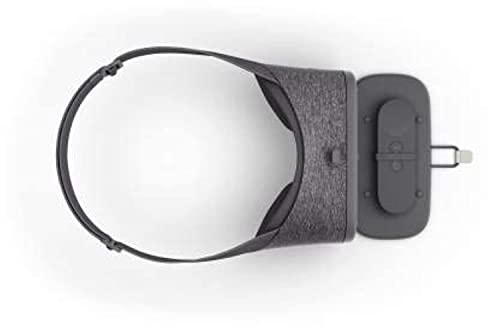
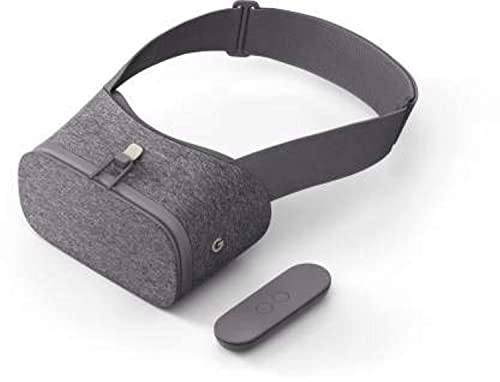
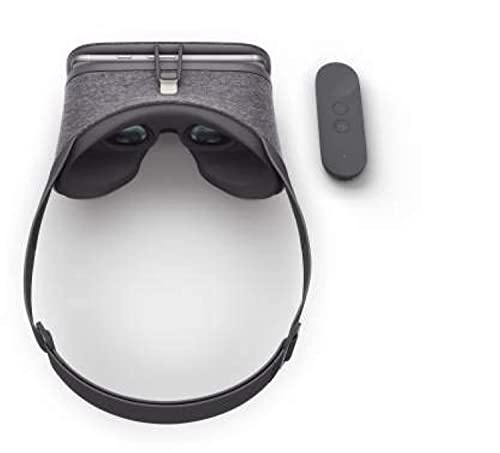
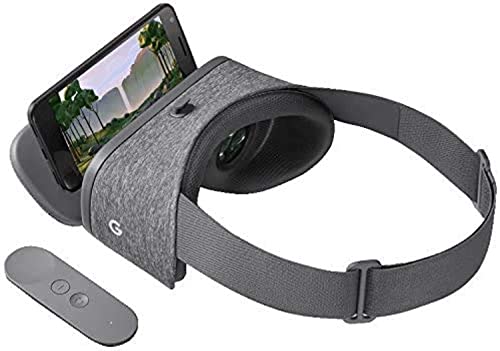
Google Daydream View análisis. Compara 89 especificaciones técnicas y opiniones de usuarios para ver cómo se posiciona entre las gafas VR y si merece la pena comprarlo.
Puntuación total
¿Qué es?: Una evaluación general de la calidad del visor VR, basada en análisis técnicos y reseñas de usuarios.
¿Cuándo es importante?: Cuando necesita una referencia rápida para identificar los mejores visores VR del mercado.
Componentes de la puntuación:
80.0%
Puntuación técnica
20.0%
Puntuación de los usuarios
Puntuación técnica
¿Qué es?: Una evaluación del rendimiento técnico del visor VR, que abarca ocho áreas clave: calidad de pantalla, seguimiento, comodidad, controladores, conectividad, audio, batería y diseño.
¿Cuándo es importante?: Cuando quiera comparar visores VR según su rendimiento técnico y sus funciones disponibles.
Componentes de la puntuación:
58.0%
Pantalla y Óptica
22.0%
Seguimiento y Sensores
10.0%
Controles y Audio
4.0%
Hardware
3.0%
Conectividad
3.0%
Diseño y Energía
Puntuación de los usuarios
¿Qué es?: Una valoración que combina las reseñas de los usuarios y el número total de reseñas recibidas por el visor VR.
¿Cuándo es importante?: Cuando quiera saber cómo rinde un visor VR en el uso real y qué tan fiable sigue siendo con el tiempo según la opinión de los usuarios.
Componentes de la puntuación:
70.0%
Opiniones de usuarios
30.0%
Popularidad
Available: ranking among products currently available (including other versions of this product).
All: ranking among all products in the database.
¿Qué es?: Una evaluación del rendimiento técnico del visor VR, que abarca ocho áreas clave: calidad de pantalla, seguimiento, comodidad, controladores, conectividad, audio, batería y diseño.
¿Cuándo es importante?: Cuando quiera comparar visores VR según su rendimiento técnico y sus funciones disponibles.
Componentes de la puntuación:
58.0%
Pantalla y Óptica
22.0%
Seguimiento y Sensores
10.0%
Controles y Audio
4.0%
Hardware
3.0%
Conectividad
3.0%
Diseño y Energía
¿Qué es?: Una valoración que combina las reseñas de los usuarios y el número total de reseñas recibidas por el visor VR.
¿Cuándo es importante?: Cuando quiera saber cómo rinde un visor VR en el uso real y qué tan fiable sigue siendo con el tiempo según la opinión de los usuarios.
Componentes de la puntuación:
70.0%
Opiniones de usuarios
30.0%
Popularidad
¿Qué es?: Un indicador que combina la valoración general del visor VR con su precio.
¿Cuándo es importante?: Cuando busca un visor VR con un buen equilibrio entre calidad y precio.
Componentes de la puntuación:
60.0%
Puntuación total
40.0%
Precio
Importancia: ALTA
Importancia: BAJA
Importancia: ALTA
Valor recomendado: >100 Hz
Importancia: ALTA
Valor recomendado: >105 °
Importancia: ALTA
Valor recomendado: >97 °
Importancia: ALTA
Importancia: ALTA
Valor recomendado: >850 ppi
Importancia: MEDIA
Valor recomendado: >120 nits
Importancia: MEDIA
Importancia: MEDIA
Valor recomendado: > 44 mm
Importancia: ALTA
Importancia: MEDIA
Importancia: MEDIA
Importancia: BAJA
Importancia: BAJA
Importancia: BAJA
Importancia: MEDIA
Importancia: BAJA
Importancia: MEDIA
Valor recomendado: >4
Importancia: BAJA
Valor recomendado: >700 Hz
Importancia: BAJA
Importancia: MEDIA
Importancia: BAJA
Importancia: BAJA
Importancia: MEDIA
Importancia: MEDIA
Importancia: MEDIA
Importancia: BAJA
Importancia: BAJA
Importancia: BAJA
Importancia: BAJA
Importancia: BAJA
Importancia: BAJA
Importancia: BAJA
Importancia: BAJA
Importancia: BAJA
Importancia: BAJA
Importancia: BAJA
Importancia: BAJA
Importancia: BAJA
Importancia: BAJA
Importancia: BAJA
Valor recomendado: >0
Importancia: BAJA
Importancia: BAJA
Importancia: BAJA
Importancia: BAJA
Importancia: BAJA
Importancia: BAJA
Importancia: MEDIA
Importancia: BAJA
Importancia: BAJA
Importancia: BAJA
Importancia: BAJA
Importancia: BAJA
Importancia: BAJA
Importancia: BAJA
Importancia: BAJA
Valor recomendado: >20 horas
Importancia: BAJA
Importancia: BAJA
Valor recomendado: <135 g
Importancia: BAJA
Importancia: BAJA
Importancia: BAJA
Valor recomendado: >3 GHz
Importancia: BAJA
Importancia: BAJA
Valor recomendado: >8 GB
Importancia: BAJA
Valor recomendado: >128 GB
Importancia: BAJA
Valor recomendado: >3000
Importancia: BAJA
Valor recomendado: >850
Importancia: BAJA
Valor recomendado: >5000 MHz
Importancia: BAJA
Valor recomendado: >690 MHz
Importancia: BAJA
Valor recomendado: >6
Importancia: BAJA
Importancia: BAJA
Valor recomendado: >3
Importancia: BAJA
Valor recomendado: < 7 nm
Importancia: BAJA
Importancia: BAJA
Importancia: BAJA
Valor recomendado: >4900 mAh
Importancia: BAJA
Valor recomendado: <2.5 horas
Importancia: BAJA
Valor recomendado: <500 g
Importancia: BAJA
Importancia: BAJA
Importancia: BAJA
Valor recomendado: <100 mm
Importancia: BAJA
Valor recomendado: <180 mm
Importancia: BAJA
Valor recomendado: <116 mm
Importancia: BAJA
Importancia: BAJA
Importancia: BAJA
Valor recomendado: >35 °C
Importancia: BAJA
Valor recomendado: < 3 °C
Importancia: BAJA
Valor recomendado: >2020
Importancia: MEDIA
Importancia: MEDIA
Importancia: BAJA
Importancia: BAJA
Valor recomendado: <500 g
Importancia: BAJA
Importancia: BAJA
Valor recomendado: <135 g
Importancia: BAJA
Importancia: BAJA
Valor recomendado: <180 mm
Importancia: BAJA
Importancia: ALTA
Importancia: ALTA
Valor recomendado: >100 Hz
Importancia: MEDIA
Valor recomendado: > 44 mm
Importancia: BAJA
Importancia: BAJA
Importancia: MEDIA
Valor recomendado: >4
Importancia: BAJA
Importancia: BAJA
(Reseñas actualizadas: julio 2026)
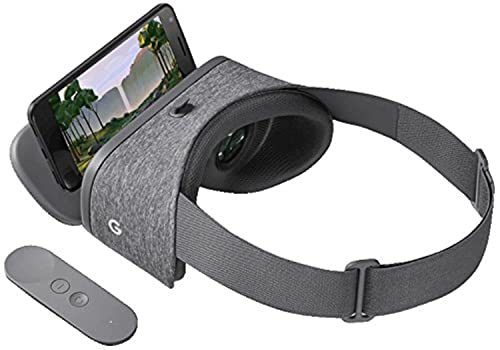
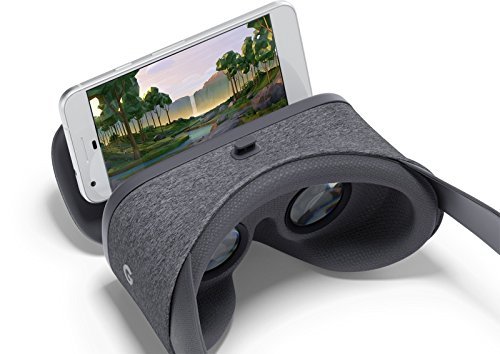
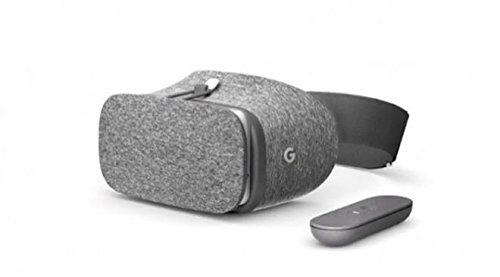
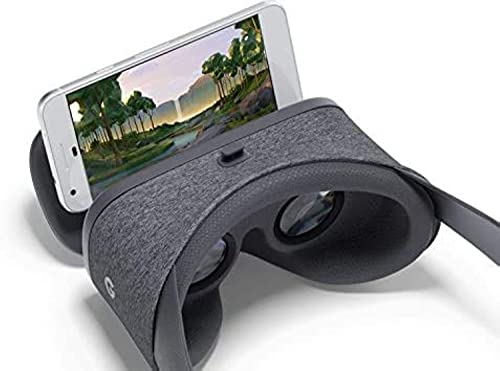
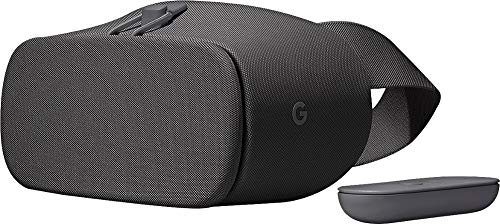
The Google Daydream View is a $79 mobile virtual reality headset constructed from lightweight, soft foam and fabric, offering an ergonomic and comfortable alternative to heavier headsets like the Samsung Gear VR. It functions as a molded shell that holds a compatible smartphone—initially restricted to the Google Pixel and Pixel XL—and includes a dedicated one-handed remote controller featuring internal sensors that mimic basic arm movements and act as a precise laser pointer. The setup process takes about five seconds; users simply drop their phone onto the flat tray, where an internal NFC chip automatically launches the Daydream app, and capacitive plastic nubs properly center the display screen without requiring tedious manual adjustments. The headset shines due to its highly portable design, breathable material, and a detachable, hand-washable face mask. Its bundled controller is highly intuitive, keeping hands relaxed while offering seamless navigation across Google's specialized apps like YouTube VR. However, the Daydream View lacks advanced technical capabilities such as eye-tracking, real-world camera pass-through, or room-scale motion tracking. Reviewers noted notable hardware omissions like an overhead stability strap and a focus...
The PCMag review of the Google Daydream View awards the mobile VR headset a 3.5 out of 5 ("Good") rating, positioning it as the best smartphone-based virtual reality platform available upon its late-2016 launch. The core pros of the hardware include its unique design, made from a light jersey fabric material that is significantly more comfortable than plastic competitors like the Samsung Gear VR. It fits easily over eyeglasses and lacks a restrictive over-the-head strap. Additionally, it is highly affordable at $79 and features an easy-to-use wireless remote control with a touchpad and tilt sensitivity, providing a much smoother interaction than previous mobile headsets. However, the primary cons rest on severe software limitations and hardware restrictions. At launch, the ecosystem was incredibly sparse, supporting only ten apps and causing the headset to feel like a collection of unfinished tech demos. Device support was limited entirely to Google's Pixel and Pixel XL smartphones. The lack of an over-the-head strap also introduces a fit trade-off, creating noticeable light leakage right up the bridge of the user's nose. Furthermore, using the platform heavily...
The Google Daydream View is a mobile virtual reality headset that requires a Daydream-ready smartphone—initially exclusive to the Google Pixel and Pixel XL—to act as its screen and processing powerhouse. Priced at £69, the headset stands out for its lightweight 220g design, single adjustable elastic strap, and a washable fabric face pad, making it the most comfortable mobile VR viewer tested by the reviewer. Unlike basic Cardboard viewers, it features automatic app launching upon docking and includes a responsive, motion-controlled Bluetooth wand remote that mirrors its physical orientation inside the virtual space. The platform hosts a well-designed home screen and capable early gaming experiences like Wonderglade and Mekorama VR, which run smoothly thanks to Google's strict device performance standards. However, the hardware is held back by several notable limitations and hardware quirks. On the downside, the quad HD screen of the Pixel XL still suffers from low-pixel density, resulting in a visible "screen-door effect" where individual pixels and blurry video streaming ruin the immersion. The headset is plagued by frequent display "drift," requiring users to constantly re-centre the view by...
The Google Daydream View is an innovative, fabric-covered VR headset designed as an affordable and comfortable step up from Google Cardboard. Unlike the harsh plastic design of competitors like the Samsung Gear VR, its soft, lightweight textile build fits easily over glasses and offers a very comfortable initial fit. Its standout feature is an included motion-sensitive remote control featuring a clickable touchpad, which elevates mobile gaming and navigation by mimicking a mini Wii Remote. Setting up the device is incredibly seamless; users simply slot in a compatible phone, and internal NFC technology launches the Daydream app instantly without needing any physical ports. However, the headset does suffer from a few notable design and ecosystem drawbacks. While the fabric exterior is highly aesthetic, it traps heat quickly, making extended sessions uncomfortable after about an hour, and it easily accumulates dirt. Hardware immersion is also broken by gaps around the nose and cheeks that let in outside light, and the system lacks depth tracking to let users lean into a scene. Furthermore, device compatibility and the app store are highly limited at...
The Google Daydream View review highlights a high-end mobile VR platform that successfully closes the performance gap between the low-cost Google Cardboard and Samsung's Gear VR. Built directly into Android 7.1 Nougat, the ecosystem launches as an $80 headset paired with the Pixel or Pixel XL phone, undercutting its primary Samsung competitor by $20. Setting up the device is effortless, utilizing an automatic NFC tag detection system when placing the phone into the headset, which then opens a cartoon-forest themed launcher. Navigating the integrated Google Play Store is praised as highly natural and seamless compared to the awkward head-mounted touchpads of older mobile VR systems. The review outlines several distinct pros and cons regarding the Daydream View hardware and initial ecosystem: Pros: Intuitive Controller: The inclusion of a basic, required IMU-based motion controller functions like a natural point-and-click laser pointer, vastly improving user interactivity. Visual Sharpness: The headset performs admirably by matching the visual sharpness of the Gear VR and far exceeding Cardboard's capabilities. Software Integration: Features a seamless, cohesive ecosystem where users can browse, install, and launch apps directly...
The Google Daydream View ($79) is a lightweight, portable virtual reality headset that offers a comfortable, entry-level VR experience for the Android ecosystem. Made from a soft clothing-like fabric rather than rigid plastic, its ski-mask-style fit makes it exceptionally easy to set up by simply dropping a compatible phone into the tray. A major standout feature is its included motion-tracking remote control, which allows users to intuitively point, swipe, and click to navigate the interface or interact with unique apps like Google Arts & Culture and the puzzle game Mekorama. Additionally, the headset excels as a personal big-screen theater, specifically through the optimized YouTube VR app. However, the device is held back by several notable performance and software limitations. At launch, the app selection is highly limited with only 10 available titles, lagging far behind the hundreds of immersive games offered by its main competitor, the Samsung Gear VR. The device also lacks broad compatibility, working strictly with Daydream-ready phones like the Google Pixel. Hardware drawbacks include a tendency for the Pixel phone to get alarmingly hot after just 15...
The Google Daydream View is an $80 fabric-covered mobile VR headset designed to standardise the mobile virtual reality ecosystem by allowing users to slot a compatible smartphone, like the Pixel or Pixel XL, into the device. Crafted from a comfortable microfiber material that resembles home decor rather than traditional tech, it features a wireless remote-like controller that handily stores inside the headset when not in use. Its standout features include a removable, washable face pad, an easy-to-navigate interface, and a custom-designed YouTube VR app that acts as a central hub for curated 360-degree videos. However, the review notes that the headset serves primarily as a version 1.0 reference model that lacks a compelling and extensive content library at launch. Despite its lightweight design, the Daydream View presents several notable drawbacks, including a smaller field of view compared to Samsung's Gear VR and an awkward fit that lets in light around the nose region. The physical design is also critiqued because the Pixel XL noticeably sticks out of the front flap during use. Functionally, the wireless controller requires frustratingly frequent recalibrations...
The Google Daydream View is highly praised as the best mobile VR headset available, primarily leapfrogging its main competitor, the Samsung Gear VR, because it includes an intuitive, wand-like controller with a built-in touchpad. This pointing wand allows users to interact with the virtual environment naturally—such as by pointing, swinging, or tilting—making VR experiences exceptionally casual and accessible even for non-gamers. Additional prominent benefits include seamless wireless connectivity where compatible phones automatically recognize the device, and a plush, soft design resembling athleisure clothing that provides a more comfortable facial fit than its rigid competitors. However, the reviewer highlights several notable drawbacks, including the complete lack of positional tracking, meaning the headset does not register forward or sideways movements. Device compatibility is heavily limited at launch to high-end smartphones like the Pixel and Pixel XL, making the entry cost quite expensive despite the lower $79 price tag of the headset itself. Furthermore, the headset becomes uncomfortable to wear past 45 minutes—especially for users with glasses—due to physical weight distribution and a tremendous amount of heat generated by the phone. Finally, the...
The Wareable review praises the Google Daydream View for being an affordable, lightweight, and comfortable VR headset featuring a convenient, bundled wireless motion controller that improves navigation. Key advantages include its attractive fabric design and superior ease of use compared to traditional plastic, more rigid models. However, the headset is limited by a lack of iOS compatibility, restricting it to specific Android devices. Additionally, the device suffers from design flaws, specifically regarding strap adjustments, and the motion controller frequently experiences a "wandering pointer" issue that requires recalibration.
The Google Daydream View review evaluates the virtual reality headset as an excellent, budget-friendly entry point into VR priced at £69, which includes a standout, motion-sensitive remote control for seamless menu navigation and gaming. Architected from a lightweight, sportswear-like fabric rather than rigid plastic, the device is praised for its comfort, 30% lighter frame, and washable design. It provides immediate compatibility with configured Google apps like YouTube and Street View, alongside unique experiences like J.K. Rowling’s Fantastic Beasts, and allows users to stream 2D content from Netflix or Google Play Movies on a simulated big screen. However, the reviewer highlights several prominent drawbacks, most notably its highly restricted device ecosystem at launch, which strictly limits full functionality to the £599 Google Pixel and Pixel XL smartphones. Hardware performance limitations are also apparent; the Pixel phone suffers from heavy battery drain and runs hot during extended usage. Additionally, users may experience light leaking around the nose area, a heavy forward-pulling sensation once a smartphone is inserted, quiet audio when used without external headphones, and potential eye strain or headaches over prolonged...
In his review on AdamFowlerIT.com, Adam Fowler provides a highly critical assessment of the Google Daydream View VR headset, ultimately advising consumers against purchasing it. On the positive side, he notes that the headset features a lovely, breathable fabric design equipped with a head strap and comfortable face cushions, making it a significant structural upgrade over the original Google Cardboard. Additionally, he praises the inclusion of a lightweight, USB-C rechargeable remote controller that functions similarly to a basic Nintendo Wii remote, offering intuitive gyro-based pointer and wand controls. He also found the initial introductory Daydream tutorial demo to be highly entertaining and well-designed for learning the controls. However, the reviewer highlights several prominent drawbacks that severely impact the overall user experience. A major hardware flaw is the extreme heat generated by the Google Pixel XL while running the app, which triggered over-heating safety warnings and forced the device to shut down. Visually, the display suffers from blurryness around the edges of vision unless positioned perfectly, and the games feature low-end graphics that cannot compete with PCs or consoles. Furthermore, Fowler...
The Google Daydream View is an affordable and user-friendly entry-level VR headset that converts compatible smartphones, like the Google Pixel and Moto Z, into an immersive virtual reality experience. Its standout features are its simple, cable-free setup and a convenient bundled motion controller that allows for intuitive, cursor-based menu navigation. Additionally, it acts as an exclusive gateway for virtual teleportation through tailored applications like YouTube 360, Google Street View, and Google Photos, enabling users to explore global landmarks or personal 3D panoramic memories from home. However, the headset is heavily restricted by a limited initial application ecosystem and exclusive compatibility with a small selection of Daydream-certified phones. On a physical level, the soft fabric design is front-heavy when loaded with a large phone, causing potential neck strain and requiring frequent adjustments to maintain visual clarity. Furthermore, because of hardware limitations, users cannot physically walk around or grab items in the virtual space, and lower screen resolutions on certain compatible phones can result in a murky image that obscures fine details.
The $79 Google Daydream View is a lightweight, comfortable VR headset constructed from soft, jersey fabric that is easy to wear over glasses. Key pros include its high affordability, superior comfort, and the inclusion of an intuitive, easy-to-use wireless remote control for navigation. PCMag However, PCMag highlights significant cons, including a lack of an over-the-head strap, which leads to noticeable light leakage around the nose and a less-than-snug fit. Furthermore, the review cites unfinished software and limited app support at launch, restricting the overall, immersive experience.
The Business Insider review of the 2016 Google Daydream View highlights its lightweight, comfortable, and breathable cloth-based design, which, along with a user-friendly setup and an intuitive motion-sensing controller, makes it an attractive $79 entry point for mobile VR. However, the device is limited by a thin app ecosystem, noticeable light leakage around the nose, and restricted compatibility, working only with the Google Pixel and Pixel XL at launch. Furthermore, the review notes that intense usage leads to rapid battery drain and device overheating within 30 to 40 minutes. YouTube ·
The Google Daydream View is an affordable, mobile virtual reality headset priced at $79. It stands out as a highly comfortable and lightweight device. Instead of utilizing heavy plastic, Google wraps the viewer in a soft, sweatpant-like fabric. Users can even hand-wash this material when it gets dirty. A major highlight of the headset is its wireless handheld controller. It offers precise motion tracking, easy storage inside the visor, and lasts for hours on a single charge. Performance on the Pixel XL is smooth, delivering high-quality frame rates and impressive details. However, the headset has several notable drawbacks. It features limited device compatibility, launching with exclusive support for only the Pixel and Pixel XL smartphones. The viewing experience suffers on the smaller 1080p Pixel screen, as users can noticeably see pixels. The app and game library is also quite sparse at launch. Additionally, the phone gets very hot after 30 minutes of continuous play. Heavy usage is also expected to drain mobile battery life quickly. Finally, the motion remote lacks advanced physical extensions to track when a user extends their...
In this 2016 review, Gadjo Cardenas Sevilla evaluates the Google Daydream View, a $99 Canadian virtual reality headset engineered to democratise consumer VR using compatible smartphones like the Pixel and Pixel XL. Sevilla praises the headset's comfortable, textile-centric physical design, highlighting its organic material composition, washable faceplate, and integrated slot for the bundled motion remote. The software eco-system earns praise for offering an entertaining menu with compelling free experiences, such as YouTube VR, Google Arts and Culture, and Google Street View. Ultimately, the review awards the device a 4 out of 5 rating, positioning it as a highly accessible gateway into VR content consumption that surpasses basic alternatives like Google Cardboard. Despite the high score, the hardware suffers from notable ergonomic and technical limitations, particularly when paired with a larger phone like the Pixel XL, which causes the headset to sag due to an inadequate security belt. Severe thermal problems restrict user sessions, as the docked phone becomes hot to the touch and requires a cooling-off rest period after approximately 20 to 30 minutes of continuous use. Additionally, Sevilla points...
Nathan Olivarez-Giles of The Wall Street Journal identifies the $80 Google Daydream View as a top smartphone-powered VR headset, lauded for its lightweight, comfortable, and washable fabric design compared to the Samsung Gear VR. A standout feature is the included wireless motion controller, which enables precise, intuitive interaction with games and navigation. Conversely, the review notes significant limitations, including the absence of an over-the-head strap, which makes the headset prone to slipping. Additionally, the platform is restricted solely to the Google Pixel phone at launch, suffers from fast battery drain during use, and has a smaller app library compared to competitors. WSJ
El Google Daydream View es un visor de realidad virtual móvil que se posiciona como un competidor directo del Gear VR de Samsung, ofreciendo una experiencia de RV inalámbrica impulsada por un teléfono inteligente y combinada con un mando de movimiento dedicado. Probado junto con los teléfonos Pixel de gama alta de Google, el dispositivo se basa en una moderna conexión USB-C y emparejamiento asistido por NFC, lo que permite a los usuarios colocar sin esfuerzo el teléfono en la solapa frontal para que sirva de pantalla. En lugar de apuntar a los juegos avanzados de PC o consola, el visor destaca como un portal de consumo ligero para minijuegos, exploración virtual a través de las aplicaciones dedicadas de Google Street View y Arts & Culture, y la visualización de contenido en 360 grados de forma nativa a través de su aplicación integrada YouTube VR. El contenido que no es de RV de plataformas como Google Play también se puede transmitir en una pantalla de cine simulada al aire libre, lo que hace que el consumo de medios sea muy...
El Google Daydream View es un visor de realidad virtual ligero y cómodo que ofrece una experiencia de RV de gama de entrada y alta calidad por 69 euros. Fabricado con un original acabado exterior de tela de fieltro, el dispositivo cuenta con un proceso de configuración sencillo guiado por una aplicación complementaria específica e incluye un mini mando Bluetooth de tres botones con superficie táctil. Los usuarios reciben orientación a través de un tutorial interactivo antes de acceder a un entorno central en 3D con estilo de cómic para explorar aplicaciones multimedia como Google StreetView, YouTube VR y Netflix, que ofrecen una gran nitidez visual al combinarse con teléfonos inteligentes de alta resolución como el Google Pixel XL. Pros y Contras Pros Gran comodidad: Su excelente distribución del peso garantiza sesiones de visualización prolongadas y sin fatiga. Buena calidad de construcción: Ofrece una fabricación sólida en relación con su precio, que es muy justo. Facilidad de uso: Proceso de instalación sencillo y funcionamiento intuitivo del mando de movimiento. Contras Compatibilidad de hardware limitada: En su lanzamiento, es estrictamente compatible...
La reseña de Heise señala que el visor Google Daydream View de 69 € es una alternativa cómoda y ligera al Gear VR, con una inmersión significativamente mejorada respecto a los sistemas Cardboard anteriores gracias a su diseño textil suave. Su mando de movimiento se destaca como una gran ventaja, ya que ofrece un seguimiento preciso que mejora la navegación y el juego. Sin embargo, el análisis menciona contras importantes, como un desenfoque de movimiento visible en giros rápidos de cabeza y un campo de visión más estrecho en comparación con la competencia de Samsung. Además, los probadores hallaron varios fallos de software, lo que indica problemas de estabilidad iniciales en su lanzamiento.
La reseña de DIE ZEIT describe las Google Daydream View como unas gafas de realidad virtual móviles y económicas de 70 € que mejoran la experiencia de competidores como las Samsung Gear VR.", "Su principal característica destacada es su diseño ligero, elegante y cubierto de tela, que resulta menos aparatoso y de mejor calidad que las tradicionales gafas de plástico.", "También es un dispositivo muy intuitivo: los teléfonos inteligentes como el Google Pixel inician automáticamente el software Daydream mediante NFC al colocarse en la ranura frontal.", "Además, su mayor ventaja frente a las Gear VR es la inclusión de un mando Bluetooth con sensor de movimiento.", "Este mando, que funciona como un ratón virtual, permite navegar por los menús, hacer clic y apuntar sin esfuerzo mediante gestos físicos.", "Sin embargo, el crítico detalla inconvenientes importantes relacionados con la comodidad, las filtraciones de luz y el rendimiento.", "A pesar de su menor tamaño, el visor resulta incómodo en la nariz tras 15 o 20 minutos de uso, carece de ruedas para ajustar el enfoque y deja marcas evidentes de la espuma...
La reseña de Hardwareluxx destaca el Google Daydream View como una evolución asequible de la realidad virtual móvil de próxima generación que transforma el diseño original de cartón de Google en un producto de consumo de alta gama. Un punto a favor destacado es su armazón de plástico de alta calidad envuelto en una suave funda de tela, que proporciona una experiencia significativamente más cómoda que su predecesor. Además, viene equipado con un mando Bluetooth dedicado que cuenta con un panel táctil y botones de acción para mejorar enormemente la navegación y la interactividad. Con un precio competitivo de 69 euros, sigue siendo accesible para los consumidores habituales. Por otra parte, Google pretende unificar el ecosistema convirtiendo Daydream en una plataforma de referencia para todos los fabricantes de smartphones Android, en lugar de ser un accesorio exclusivo de la marca. Sin embargo, la plataforma se enfrenta a inconvenientes sustanciales, principalmente en relación con los estrictos requisitos de hardware y una selección muy limitada de smartphones compatibles en su lanzamiento. En el momento de la prueba, solo eran compatibles los modelos...
Google Daydream View es un visor de realidad virtual móvil fabricado en tela, diseñado para ofrecer una experiencia premium a los usuarios de Android, pero se ve limitado por un ecosistema inicial reducido.", "En el lado positivo, el visor ofrece un diseño ligero de 220 gramos, un emparejamiento fluido del mando por Bluetooth, un seguimiento de movimiento suave sin latencia perceptible y una nitidez de inmersión en 360 grados que compite con el Samsung Gear VR.", "Además, cuenta con una almohadilla facial cómoda, lavable a mano e ideal para personas con gafas.", "Sin embargo, entre los inconvenientes más destacados se encuentran un diseño muy pesado en la parte frontal debido a la falta de una correa superior, un proceso tedioso de instalación de aplicaciones en varios pasos y el hecho de que los smartphones se calientan en exceso durante un uso prolongado.", "La plataforma se enfrenta a importantes restricciones de hardware, ya que se lanzó con un precio de venta de 69 € pero requiere smartphones de gama alta y costosos como el Google Pixel o el Huawei Mate 9.",...
Google Daydream View es un visor de realidad virtual para móviles económico y práctico, fabricado con un tejido suave y transpirable, elogiado por su diseño ligero y muy portátil.", "Entre sus ventajas destacan una configuración intuitiva con inicio de aplicaciones mediante NFC, un mando inalámbrico inteligente con sensor de movimiento para una navegación precisa y una experiencia inmersiva.", "Sin embargo, el hardware tiene sus limitaciones, como un catálogo inicial de software reducido, juegos caros y la falta de seguimiento a escala de habitación (room-scale), lo que lo sitúa por debajo de los sistemas de gama alta.", "Los contras también incluyen un diseño óptico sin ajuste dioptrico manual, lo que puede provocar problemas de comodidad y visión borrosa a los usuarios que llevan gafas.
El Google Daydream View analizado es un innovador visor de realidad virtual para smartphones que destaca por su original acabado en tela. La reseña resalta la navegación sencilla e intuitiva del dispositivo, impulsada por su característica más destacada: un pequeño mando a distancia con sensor de movimiento. Este controlador permite un seguimiento del movimiento similar al de la Wii en los juegos y es elogiado como una solución muy superior a los incómodos paneles táctiles laterales de visores rivales como el Samsung Gear VR. En cuanto a su estructura, el visor cuenta con una tapa frontal segura y una banda elástica de sujeción que superó con éxito una rigurosa prueba de sacudidas senza dejar caer el smartphone. Además, las primeras integraciones de software como Google Street View ofrecen una experiencia de visualización en 360 grados impresionante y altamente inmersiva. Sin embargo, el análisis señala importantes inconvenientes respecto a las altas barreras de entrada del sistema y a su limitado ecosistema. En el momento de la prueba, el visor se vendía por solo 69 euros directamente a través de Google, pero...
El Google Daydream View de 2017 es un visor de realidad virtual móvil ligero y económico que cuenta con una cubierta de tela suave y lavable e incluye un controlador de movimiento Bluetooth muy intuitivo. Este modelo actualizado amplía el campo de visión a 100 grados y añade una correa superior para una mayor estabilidad. La configuración es sencilla, ya que requiere la aplicación Daydream y un método de pago para sujetar de forma segura un teléfono Android compatible (como el Pixel 2 o el Galaxy S8) contra las lentes. El controlador se engancha directamente a una tira de la cinta para guardarlo, realiza el seguimiento sin esfuerzo y se carga mediante USB-C. Los usuarios pueden acceder a diversas experiencias de 360 grados a través de plataformas de Google como YouTube VR, Netflix VR y Streetview, además de juegos casuales. Sin embargo, el hardware sufre importantes defectos de diseño, sobre todo una gran incomodidad para los usuarios que llevan gafas debido a su perfil estrecho. La luz se filtra fácilmente por la parte inferior de la máscara, cerca de la...
La reseña de FAZ califica a Google Daydream View como un visor cómodo, fácil de usar y cubierto de tela que establece nuevos estándares para la realidad virtual en smartphones, especialmente gracias a su precisa autoconfiguración por NFC y al intuitivo controlador de movimiento incluido. Sin embargo, el análisis señala inconvenientes importantes, como un diseño pesado en la parte frontal que genera puntos de presión, filtraciones de luz y una gran sobrecarga del hardware que provoca un rápido agotamiento de la batería y el sobrecalentamiento de los teléfonos compatibles.
El Daydream View es un visor de realidad virtual para smartphones bien diseñado que supone una gran mejora respecto al Google Cardboard y supera al Samsung Gear VR en comodidad y calidad de construcción. Fabricado con tela suave y plástico en lugar de cartón, destaca como el visor móvil más ligero, pequeño y atractivo de su época. Ofrece una pantalla muy nítida con textos fáciles de leer, alineación automática de la pantalla mediante topes de goma en la solapa frontal y menos problemas de sobrecalentamiento que su competidor de Samsung. El aspecto más destacado es el mando de movimiento incluido, que mejora la experiencia del usuario al funcionar como un sustituto intuitivo del ratón para navegar por la cuidada interfaz de la tienda de realidad virtual y explorar aplicaciones preinstaladas excelentes como YouTube VR y Google Streetview VR. A pesar de estas ventajas, el visor sufre limitaciones de hardware importantes y un coste de entrada total elevado. Carece de cualquier tipo de seguimiento posicional en la habitación o detección de profundidad, lo que limita el seguimiento del movimiento solo a...
El visor de realidad virtual Google Daydream View fue un experimento innovador, pero a la postre efímero, en el ámbito de la RV basada en teléfonos inteligentes, descontinuado por Google en 2019.", "En el aspecto positivo, el visor fue muy elogiado por su diseño pionero, que sustituía el plástico pesado por un material textil ligero y suave que ofrecía un ajuste excepcionalmente cómodo.", "Además, ofrecía una calidad de imagen impresionante, un seguimiento de la cabeza fluido y un software de introducción fácil de usar.", "Un aspecto destacado fue la inclusión en la propia caja de un mando de movimiento dedicado y sensible, lo que simplificó enormemente la navegación por los menús y la jugabilidad básica en comparación con competidores que dependían de incómodos botones integrados en el visor.", "Sin embargo, el concepto de hardware sufría graves limitaciones funcionales que acabaron provocando su fracaso.", "El principal inconveniente era que requería un teléfono inteligente costoso y de gama alta (como el Google Pixel) con pantallas OLED de altas prestaciones y sensores especializados, lo que restringió enormemente la adopción por parte de los...
La reseña de REALITE-VIRTUELLE.COM posiciona al Google Daydream View como una innovación importante en la realidad virtual móvil, situándolo como el segundo mejor visor del mercado de consumo, justo detrás del Samsung Gear VR.", "Con un precio competitivo de 79 dólares, el dispositivo destaca por su textura de tela única y ligera, que rompe con los diseños de plástico rígido estándar de la industria.", "El crítico elogia enormemente el entorno de software Daydream Home, que utiliza un escenario forestal de estilo dibujo animado y ofrece tutoriales de inicio altamente interactivos y fáciles de usar.", "Su característica más destacada es el control remoto con sensor de movimiento incluido, que funciona como un puntero para ofrecer una interacción fluida, intuitiva y manos libres, similar a la de sistemas de gama alta como el HTC Vive.", "Sin embargo, el visor sufre fallos de hardware significativos que comprometen su rendimiento.", "El principal inconveniente de hardware es su almohadilla facial delgada y rígida, que resulta incómodamente dura contra la piel del usuario y no logra bloquear la luz ambiental.", "Esta filtración de luz crea un...
El Google Daydream View es un visor de realidad virtual móvil cómodo y bien acabado, que cuenta con un diseño de tela ligero y un mando de movimiento Bluetooth intuitivo para una navegación precisa y fluida. Ofrece una configuración automática y sencilla basada en NFC y acceso a un ecosistema diverso de aplicaciones y juegos, brindando una experiencia de RV de alta calidad a un coste menor que las alternativas para PC. Sin embargo, según la reseña, el visor sufre una molesta transición de software en 2D al iniciarse y es propenso a sufrir caídas de aplicaciones durante la instalación. Además, la experiencia general requiere un teléfono inteligente compatible de gama alta, lo que aumenta el coste total de propiedad.
Esta reseña evalúa las gafas de realidad virtual Google Daydream View, destacando su diseño de hardware elegante, ligero y fácil de usar.", "A diferencia de visores competidores como el Samsung Gear VR, el Daydream View no requiere cables molestos ni soportes físicos complejos; los usuarios solo tienen que colocar un teléfono Google Pixel compatible, que se empareja de forma instantánea mediante NFC.", "Otro gran punto a favor es el mando incluido con conexión Bluetooth, que ofrece una precisión de seguimiento excepcional y una respuesta de movimiento fluida y natural durante las partidas.", "Sin embargo, la experiencia se ve gravemente empañada por las limitaciones técnicas fundamentales y los fallos habituales de la realidad virtual móvil.", "Los analistas experimentaron problemas de seguimiento en los que el puntero digital desaparecía o el teléfono perdía la orientación, lo que provocaba una desorientación inmediata.", "Además, el dispositivo no aísla por completo la luz ambiental externa, y una baja tasa de refresco de la pantalla obliga a los ojos a esforzarse para enfocar, lo que causa mareos y náuseas tras solo unos pocos minutos de uso...
La reseña de Pisapapeles destaca al Google Daydream View como un visor de realidad virtual móvil muy cómodo, elegante y fácil de usar. Sobresale por su hermoso diseño de tela no futurista disponible en colores como Slate, Snow y Crimson. El dispositivo es excepcionalmente fácil de configurar mediante el emparejamiento automático por NFC y se adapta cómodamente incluso a los usuarios que usan gafas. Incluye un mando a distancia intuitivo con un sensor de 9 ejes que se conecta fácilmente por Bluetooth, funciona como un panel táctil o un volante, y se guarda directamente dentro del propio visor para que nunca se pierda. Sin embargo, la reseña señala varios inconvenientes importantes derivados de las limitaciones de la tecnología de VR móvil. Al usar el visor con un dispositivo compatible como el Pixel XL, el teléfono sufre un sobrecalentamiento extremo, lo que obliga a que aparezca un aviso de temperatura e interrumpe el uso después de solo 20 o 30 minutos. Esta rápida generación de calor también agota entre el 10% y el 15% de la batería del teléfono en apenas...
La reseña de WIRED Italia destaca el Google Daydream View como un visor de realidad virtual móvil cómodo, de 220 gramos y cubierto de tela, que elimina la necesidad de una correa superior y ofrece una experiencia sin molestias, incluso para quienes usan gafas.", "Cuenta con un práctico mando inalámbrico para una navegación precisa, que se guarda cómodamente dentro del propio visor cuando no se utiliza.", "Sin embargo, la reseña señala limitaciones importantes, como el requisito de usar teléfonos específicos compatibles con "Daydream-ready" y la falta de posicionamiento absoluto, lo que limita el movimiento a una rotación de 360 grados.", "Además, el material de tela tiende a acumular polvo y se producen filtraciones de luz alrededor de la zona de la nariz durante su uso activo.
La reseña de Tweakers define a Google Daydream como una plataforma de realidad virtual móvil muy prometedora que cuenta con un ecosistema de software Android VR bien diseñado y un precio de entrada accesible de 69 €.
La reseña de Google Daydream View destaca la evolución de Google desde el simple proyecto Google Cardboard hacia una plataforma de realidad virtual dedicada y basada en teléfonos inteligentes.", "Con un precio de 69 € y fabricado con un acabado de tela ligero y moderno, el visor se enfoca firmemente en el diseño de estilo de vida y en la comodidad del usuario.", "Se elogia explícitamente su controlador de movimiento inalámbrico, muy intuitivo y ligero, que se transforma en herramientas como una linterna o una varita según il juego, creando una experiencia muy fluida y fácil de usar.", "Además, se adapta excepcionalmente bien a las gafas y ejecuta a la perfección las aplicaciones optimizadas de Google, como YouTube, Street View y Arts & Culture.", "Sin embargo, el crítico señala varios inconvenientes importantes, especialmente en relación con su lanzamiento inicial.", "La plataforma sufre de una selección muy restringida de teléfonos inteligentes compatibles, limitada inicialmente solo a dispositivos como Google Pixel, Pixel XL y Moto Z.", "También existen restricciones específicas por región, ya que las versiones de Daydream de Google Play Store...
Comparación